

Key Takeaways
Understanding the human stress mechanism is essential for maintaining long-term physical and mental health. This article explores the intricate pathways that turn environmental triggers into physiological responses.
- The HPA axis serves as a continuous feedback loop between the brain and adrenal glands.
- Chronic activation of this system contributes to systemic inflammation and metabolic disorders.
- Modern pressures often trigger an ancient survival mechanism intended for immediate physical danger.
- Cortisol, while critical for energy mobilization, becomes detrimental when levels remain elevated too long.
- Lifestyle modifications can effectively support the body in recovering from prolonged state of high alertness.
Understanding the anatomy of the HPA axis
The complex architecture of our stress response system involves several interconnected regions within the brain and endocrine organs. It relies on a synchronized relay of chemical signals to maintain internal stability under pressure. By examining these structures, we can understand why the neuroendocrine system is so deeply linked to our survival.
The role of the hypothalamus as the command center
The hypothalamus acts as the chief intelligence officer, receiving inputs from almost every other region of the brain. When sensory data indicates danger or psychological upset, this small region initiates the process by releasing specialized signaling molecules. It effectively bridges the cognitive and physical worlds, ensuring the body prepares for action before the conscious mind has fully processed the situation.
Communication dynamics between the pituitary gland and the brain
Directly beneath the hypothalamus lies the pituitary gland, a master organ that translates brain signals into specific hormonal commands. This small structure serves as the critical node that receives hypothalamic input and projects the signal outward to the rest of the body. It processes the information rapidly to ensure the endocrine response is appropriately scaled to the perceived threat.
Adrenal glands: Where cortisol is synthesized and released
These glands sit atop the kidneys and function as the end-stage delivery system for the stress response. Once they receive the chemical notification from above, the adrenal cortex begins the synthesis of cortisol. This hormone is essentially the biological equivalent of opening the energy vaults, preparing tissues across the entire body for activity or defense.
How the nervous system coordinates with the endocrine system
The nervous system and endocrine organs work in tandem to optimize the body’s defensive capabilities. While the nervous system provides reflexive, near-instantaneous alerts, the hormonal shift managed by the HPA axis provides the sustained energy necessary for endurance. The CalmWell Sensor observes this synergy, capturing data on how these transitions interact to support physiological stability during stressful periods.
How the HPA axis stress response explained process works
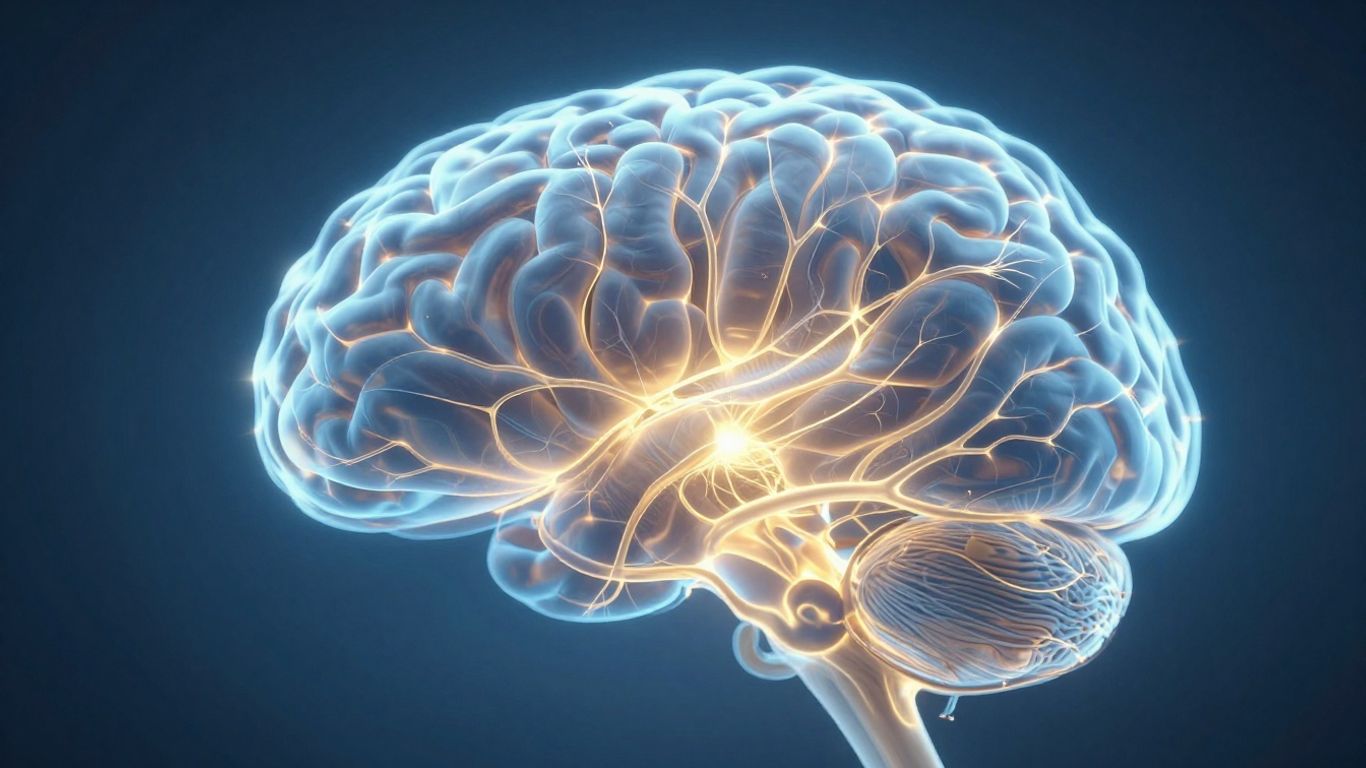
When we look at the HPA axis stress response explained in full, it becomes clear that biology creates a massive systemic shift. This cascade ensures that organs receive essential resources, though sometimes at the cost of long-term maintenance processes. Careful monitoring through tools like the VitalBalance App allows for an improved understanding of these fluctuating patterns within daily schedules.
Triggering the release of corticotropin-releasing hormone (CRH)
The process begins in the hypothalamus, where the release of CRH serves as the initiating spark. This neurohormone travels through a localized blood vessel network to the pituitary gland, acting as a wake-up call for the rest of the hormonal cascade. It is the first step in moving from a resting state to a state of active mobilization.
Signaling the adrenocorticotropic hormone (ACTH) pathway
Upon receiving the CRH message, the pituitary gland secretes ACTH into the general bloodstream. This hormone acts as a courier, specialized to seek out receptors located specifically on the surface of the adrenal cortex. It serves as the bridge between the centralized command of the brain and the peripheral responses generated at the renal level.
The final output: Cortisol and its widespread systemic effects
Cortisol enters the bloodstream and travels to almost every cell. Its primary role involves liberating stored energy reserves to help the body respond to immediate demands. This process affects blood pressure, immune function, and glucose levels to focus physical energy on survival rather than growth or reproduction.
Understanding negative feedback loops in hormone regulation
Regulation is kept in check by a sophisticated mechanism where the brain detects circulating cortisol levels to shut down further production. This feedback loop is essential to prevent chronic activation that could lead to exhaustion. The following table illustrates the typical sequence of the hormonal journey:
| Stage | Primary Messenger | Target Location |
|---|---|---|
| Initiation | CRH | Pituitary Gland |
| Distribution | ACTH | Adrenal Cortex |
| Final Result | Cortisol | Body-wide Tissues |
This negative feedback loop is meant to be highly efficient under natural conditions, though it can become blunted over time when stressors are relentless.
The evolutionary purpose of the stress response
Throughout history, the body developed these complex responses to handle immediate, physical threats. Humans required a massive, swift burst of energy to survive encounters with predators or environmental disasters. This heritage explains why our modern bodies are so biased toward prioritizing survival over long-term comfort.
Survival benefits of the prehistoric fight-or-flight mechanism
The fight-or-flight response enabled our ancestors to sprint from danger without collapsing. By rapidly elevating heart rates and shifting blood flow toward major muscle groups, this mechanism directly preserved lives. This stress response acted as a primitive insurance policy, granting temporary superhuman endurance at the cost of short-term exhaustion.
Acute physiological adaptations to physical threats
When faced with a physical threat, the body immediately halts non-essential activity, such as digestion or complex immune modulation. These adaptations are meant to be fleeting, shifting metabolic power into the muscles. Once the threat passes, the body typically shifts back into a state of growth and repair, which is critical for long-term health.
Distinguishing modern chronic stressors from ancestral dangers
Today, we often experience persistent pressures like financial, social, or work-related anxiety that our ancestral systems never evolved to handle. Unlike a temporary physical threat, chronic psychological strain keeps the alarm system active for months or years. This disconnect leads to high levels of systemic stress, which often requires intentional tools like the EndoRoot Tracker to identify and address.
The metabolic shift toward glucose mobilization
During times of perceived threat, the liver releases glucose directly into the bloodstream to ensure high-capacity energy is available. This happens in several key stages to maintain fuel availability:
- Glycogen release from storage within liver tissues.
- Increased gluconeogenesis to create energy from non-carbohydrate sources.
- Muscle receptivity adjustments to quickly absorb available fuel.
- Suppression of appetite-related signaling to sustain focus on action.
This metabolic shift ensures that the organism has sufficient resources to sustain high-intensity physical activity if needed for escape.
The science of HPA axis dysregulation

Dysregulation occurs when the HPA axis fails to return to a baseline state, leaving the system in a state of high alert. This constant activation can gradually rewire the body’s sensitivity to its own hormonal signals, leading to pervasive exhaustion and systemic issues. Research into this phenomenon, often referenced in Comprehensive Physiology, clarifies why this transition is so difficult to reverse without significant lifestyle intervention.
The physiological cost of sustained cortisol elevation
Maintaining chronically high cortisol levels keeps the body in a state of hyper-vigilance, which inhibits cellular repair. It interferes with bone density, metabolic efficiency, and even cognitive functions like memory consolidation. While the hormone was intended to save us in a crisis, it essentially erodes health when it becomes the background noise of daily life.
Identifying common signs of an overactive stress response
People with overactive systems often describe a feeling of being "tired but wired," where they struggle to fall asleep despite feeling exhausted. Other signs include sensitivity to light or noise, frequent blood sugar crashes, and a lingering sense of mood instability. These indicators suggest the body is struggling to find the off-switch after the primary stressor has disappeared.
Exploring the concept of burnout and hypocortisolism
Sometimes, the system becomes so taxed that it begins to falter under the constant load, leading to reduced cortisol secretion at key times of the day. This is often associated with profound burnout, where the individual feels unable to manage even minor environmental challenges. It represents a state where the HPA axis has effectively run out of the resources required to mount a robust defensive posture.
Mapping the link between HPA axis imbalance and systemic inflammation
When hormone levels are chronically skewed, the immune system often loses its ability to regulate inflammatory cytokines effectively. This relationship explains why prolonged stress correlates with chronic pain and various metabolic health challenges. Balancing the axis is therefore not merely a goal for focus or sleep, but a strategy for managing underlying systemic health.
Factors that influence your hormonal baseline
Several environmental and internal variables dictate how sensitive your HPA axis remains. By understanding these inputs, it becomes easier to manage the threshold at which the internal alarm sounds. Many of these factors are within our control once they are clearly identified.
Circadian rhythms and their connection to the sleep-wake cycle
The cortisol rhythm typically peaks in the morning and tapers off as the evening approaches to facilitate melatonin production. Disruptions to this cycle, such as irregular sleep schedules or blue light exposure late at night, can confuse the hypothalamus. Maintaining a consistent sleep schedule acts as a fundamental anchor for HPA stability.
The influence of nutrition and gut health on hormone production
Gut health significantly impacts the communication pathways that trigger hormone release. Nutrient deficiencies, particularly in magnesium and B vitamins, make the system less resilient to pressure, while inflammatory dietary patterns can increase overall systemic stress. Nourishing the microbiome helps ensure the chemical signals across the gut-brain axis remain clear.
Genetic predispositions and early-life stress sensitivity
Some individuals are born with a more responsive HPA axis, which can be an evolutionary advantage in high-pressure environments but a burden in modern life. Early-life history also plays a significant role in programming the sensitivity of the hormonal alarm. Understanding this baseline allows individuals to approach the topic of managed stress with more empathy and focus on what works for them.
Differentiating between emotional and physical stressors
Emotional pressure and physical stressors like injury or malnutrition trigger the same hormonal cascade, but they require different methods of resolution. Emotional triggers often need cognitive restructuring, while physical stressors require recuperation and nutrient intake to resolve the deficit. Treating all stressors as identical can prevent the body from recovering correctly.
Methods to support and rebalance the HPA axis
Rebalancing the axis involves shifting the nervous system from a sympathetic "fight" stance to a parasympathetic "rest and repair" mode. This requires consistent practice and patience. Intentional lifestyle changes gradually recalibrate the sensitivity of the hypothalamic receptors.
Regulating the nervous system through targeted mindfulness practices
Daily mindfulness or deep breathing exercises act as direct tools to downregulate the hypothalamic distress signal. These practices provide the brain with evidence that the environment is currently safe, allowing the system to stand down from its elevated state. Consistency is crucial, as the nervous system benefits most from predictable periods of calm.
Physical activity as a tool for intentional cortisol modulation
While over-exercising can exacerbate an already taxed system, gentle movement often helps metabolize circulating stress hormones. Activities like restorative yoga or nature walking emphasize rhythmic engagement with the environment. Utilizing exercise to release tension rather than to create systemic depletion is the primary goal for long-term health.
Nutritional approaches for long-term adrenal health
Supporting physical health through stable blood sugar management provides the HPA axis with the safety it craves. Complex carbohydrates and high-quality proteins consumed at regular intervals help prevent the blood sugar spikes that otherwise trigger further cortisol release. This foundational support allows the glandular system to function within its intended parameters.
Clinical perspectives on managing chronic stress and recovery
If the system remains consistently dysregulated, consultation with a professional is advisable to evaluate for deeper clinical issues. Medical professionals focus on a comprehensive look at symptoms to rule out specific endocrine disorders. They help construct a management plan that incorporates both immediate symptom relief and long-term restorative measures.
Conclusion
Understanding the HPA axis provides a window into how our thoughts, environment, and physical states integrate to govern our well-being. By recognizing the delicate balance required to maintain this internal alarm system, one can adopt refined strategies to mitigate the effects of modern, non-stop pressure. While your body is inherently designed to protect you, managing the intensity of its response through conscious habits is key to sustaining long-term health and vitality.
Frequently Asked Questions
What happens if the HPA axis is activated for too long?
Chronic activation leads to sustained high levels of cortisol, which interferes with metabolic health, immune efficiency, and cognitive function. Over time, this state can lead to systemic inflammation and systemic exhaustion.
Can diet actually change how the HPA axis functions?
Nutrition plays a foundational role in hormonal health, as stable blood sugar levels prevent unnecessary stress triggers in the body. Adequate intake of micronutrients like magnesium and B vitamins supports the endocrine system’s ability to maintain balance.
Is it possible to reset an out-of-balance HPA axis?
Targeted lifestyle modifications such as improved sleep hygiene, mindfulness, and gentle movement help recalibrate the system over time. Through consistent support of the parasympathetic nervous system, it is possible to lower cortisol sensitivity.
What are the main differences between emotional and physical stress?
Both types of stress activate the same hormonal cascade, yet the required methods for resolution differ significantly. Physical stressors primarily necessitate recovery and nutrient restoration, whereas emotional stressors benefit from mindfulness and perspective-shifting.
Does exercise help or hurt a stressed HPA axis?
Moderate, intentional movement can help clear excessive hormones, but over-training can act as another source of physical pressure. Finding the appropriate intensity is key to ensuring that activity serves as a supportive tool rather than another burden.
How does sleep impact the HPA axis?
The axis follows a circadian rhythm that relies on healthy sleep cycles to reset daily. Poor sleep disrupts this rhythm, which often leads to higher cortisol levels during the day and lower energy levels by evening.
When should someone see a doctor about stress symptoms?
Consultation with a professional is warranted if symptoms feel unmanageable, persistent, or interfere with daily life. Medical supervision is essential to ensure that stress symptoms are not symptomatic of deeper underlying endocrine or health concerns.

0 Comments