

Key Takeaways
The default mode network plays an essential role in how we perceive ourselves and navigate our internal mental landscapes when we are not focused on external tasks. Understanding its function provides a pathway for utilizing specific mental training to promote better emotional health.
- The default mode network activates during periods of rest and self-reflection.
- Excessive activity in these regions is linked to rumination and anxiety.
- Meditation helps dampen the default mode network’s intrusive activity.
- Consistent practice promotes better connectivity between different brain networks.
- Mindfulness training allows for greater regulation of wandering thoughts.
Understanding the biology of the default mode network
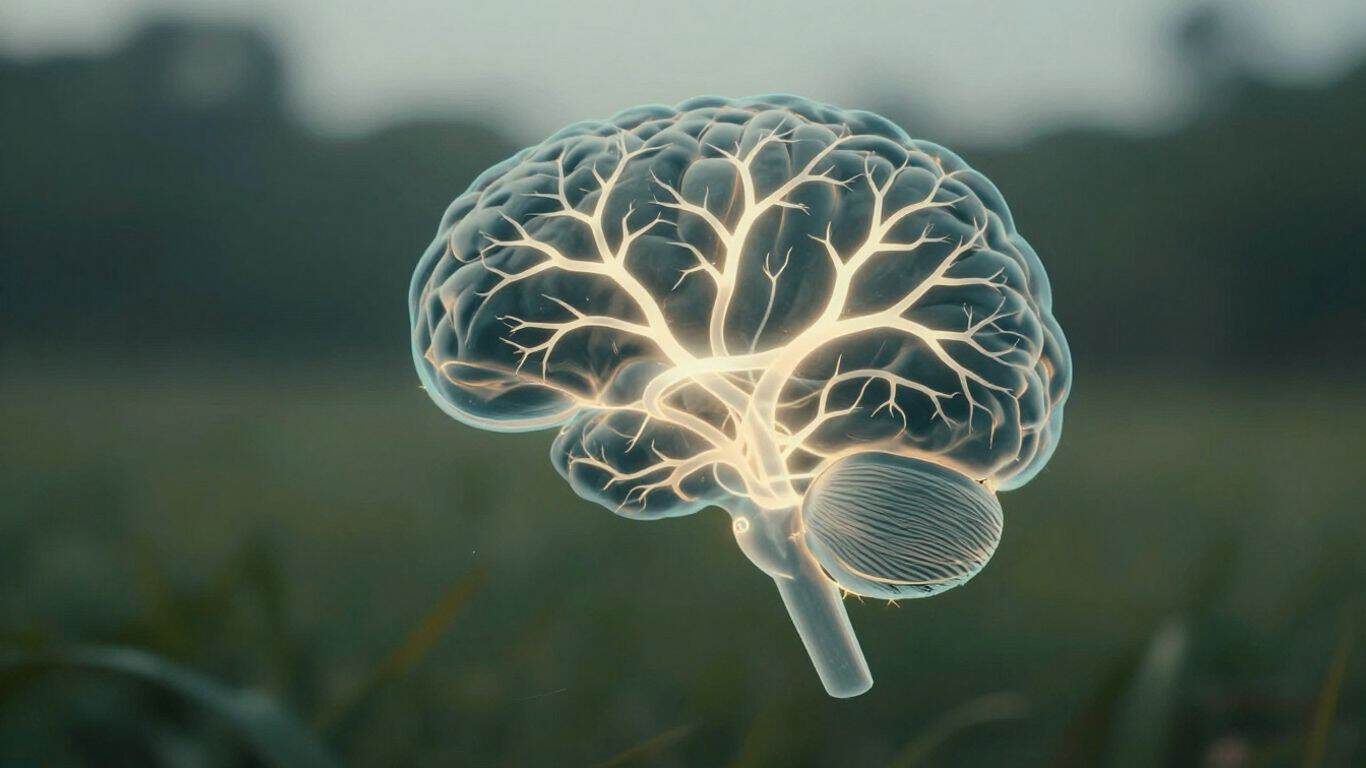
The default mode network is a collection of interconnected brain regions that come online when the mind is at rest. It operates as the brain’s default setting, facilitating a variety of internal processes that do not rely on immediate external input. Research indicates that this network is critical for retrieving autobiographical memories and thinking about social interactions.
Defining the core regions of the DMN
At the center of this network are the medial prefrontal cortex, the posterior cingulate cortex, and the angular gyrus. These nodes communicate constantly to support your sense of self and your ability to contemplate personal intentions. As described in the Default Mode Network analysis, these areas form a hub that remains vibrant even when you are not consciously directing your attention toward a goal.
How the brain shifts between task-positive and default states
When you engage with a challenging external task, your brain typically suppresses the DMN to allocate metabolic resources to the task-positive network. This rapid, automatic switching ensures that your cognitive focus remains sharp during complex work or social engagement. The oscillation between these two modes of functioning is fundamental to human behavior and cognitive flexibility.
The role of the DMN in day-to-day consciousness
Throughout your waking hours, this network handles the continuous stream of internal chatter that defines your conscious experience. It is the architect of your narrative self, helping you construct stories about who you are and where you are headed. Without this persistent internal processing, our sense of personal identity and chronological existence would be profoundly fragmented.
Evolutionary perspectives on self-reflective idle time
Idle time once served a vital evolutionary purpose, allowing our ancestors to plan for the future, process social hierarchies, and learn from past experiences. By constantly simulating various scenarios, the brain prepared itself for the complexities of tribal survival. The following data highlights the primary functional roles of this idle state across different cognitive domains:
| Process | Cognitive Function | Neural Impact |
|---|---|---|
| Memory | Retrieving episodic data | Strengthening connections |
| Reflection | Analyzing past events | Shaping personal narratives |
| Simulation | Planning future outcomes | Improving survival chances |
These functions were highly adaptive in earlier environments, though they may trigger unnecessary stress in the modern, safer world.
The connection between the DMN and self-referential processing

Self-referential processing defines how we interpret the world through the lens of our personal history and current state. While this allows for meaningful introspection, it often cycles into narrow patterns that trap us in persistent loops of thought. Scientists have found the reconfiguration of the central executive network creates a distinct shift in how these thoughts are managed in practice.
How the DMN fuels the wandering mind
Mind-wandering occurs when the DMN takes control, leading your focus away from the task at hand toward interior musings. This drift is not inherently bad, as it fosters creativity, but it can become a hindrance when you need to maintain concentration on a specific objective.
The link between DMN activity and rumination
When the DMN stays overactive, it frequently leads to rumination, where the mind dwells on past mistakes or perceived future failures. This repetitive, emotionally charged mental activity keeps the individual trapped in a state of stress. By engaging in techniques like those discussed in mindfulness meditation impacts, practitioners can intercept this process.
Patterns of self-criticism and the autobiographical self
Your internal critic thrives on the same DMN pathways that build your autobiographical memory, often identifying your worth exclusively through the failures of your past. This mental mechanism reinforces negative self-beliefs by replaying painful memories. We must recognize that these cycles often stem from:
- Excessive focus on personal shortcomings
- Habitual fixation on negative feedback
- Lack of awareness regarding internal triggers
- Disconnect from the present physical environment
Identifying these triggers is the first step toward reclaiming your focus from the automatic demands of the DMN.
Distinguishing between reflective thought and harmful cycles
Reflective thought is intentional and leads to growth, whereas harmful cyclical thinking is involuntary and depleting. Building the meta-awareness to distinguish between these states allows you to step back from the automatic reactions of your neural architecture.
How meditation alters DMN engagement
Consistent practice changes the functional architecture of the brain, creating a more stable baseline for your mental state. By training yourself to return to the present moment, you effectively weaken the automatic activation patterns that typically govern mind-wandering. Recent insights on how meditation impacts the brain suggest this is a foundational change for mental clarity.
The mechanism of quieting the default network
Meditation works by strengthening the ability to exert control over the mind’s drift through consistent sensory grounding. As you maintain focus, the brain decreases its reliance on the default mode, allowing for a quieter internal experience. This process acts like a reset button for your cognitive state.
Strengthening functional connectivity between brain regions
Practitioners often show enhanced communication between deep meditative states and active cognitive operations. This connectivity allows for a smoother transition between reflection and task-based work without the usual clutter of distracting thoughts.
Reduced activity in the posterior cingulate cortex
Studies consistently show that the posterior cingulate cortex, a core hub of the DMN, shows less pronounced spikes of activity in experienced practitioners. This regional reduction suggests that the brain is no longer defaulting to personal-historial rumination as its primary strategy for handling idle time.
Long-term brain adaptations from consistent practice
Over time, the structural connectivity within the brain adapts to favor a more balanced regulation of the default system. This leads to a lasting shift, often described as a transition from a meditative state to a meditative trait. The permanence of these changes depends on regular, disciplined engagement.
Different meditative styles and their impact on DMN activity
Different styles of meditation rely on distinct neurological pathways to achieve their desired effects. By understanding these variations, researchers can better map how specific practices lead to different cognitive outcomes. As noted in nondirective meditation and brain activity studies, the approach matters significantly.
Focused attention meditation vs. the DMN
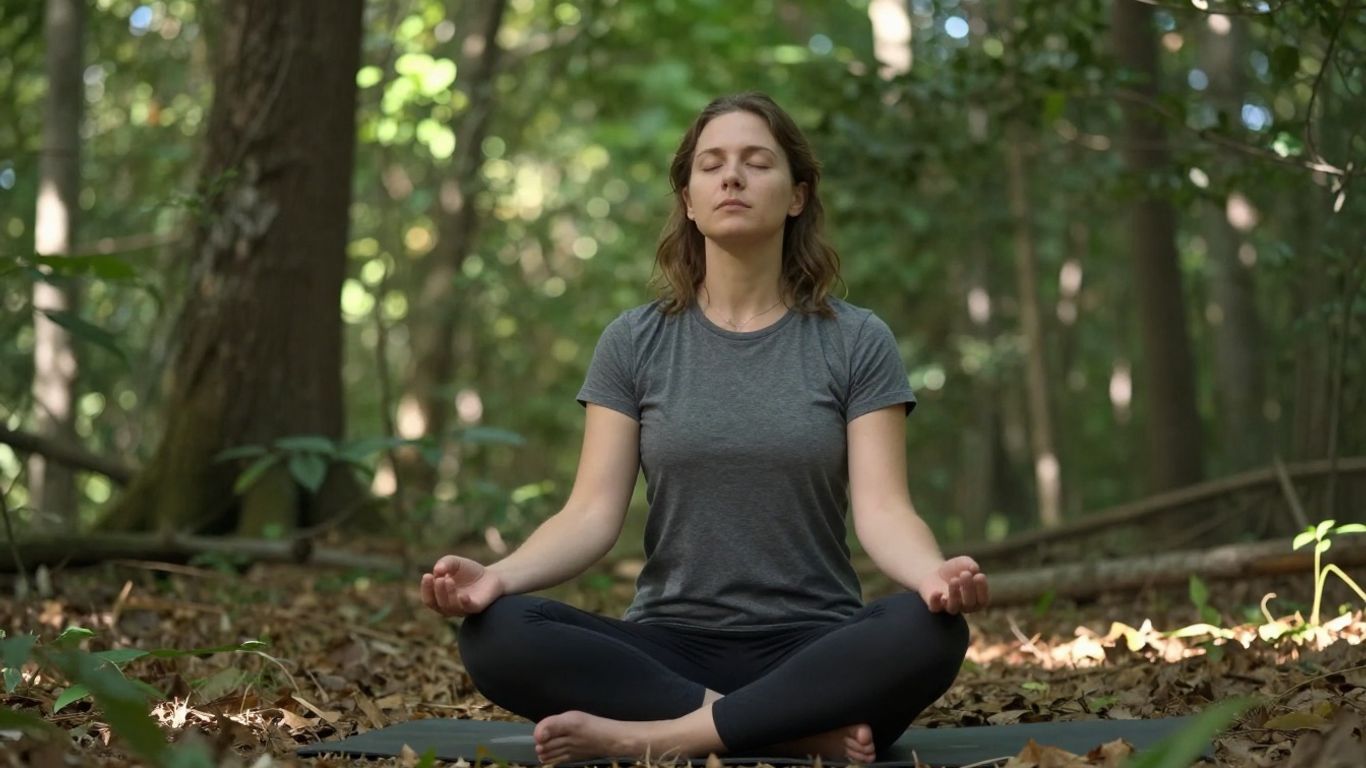
In focused attention, the practitioner directs the mind to a specific object, such as the breath, which forces the DMN to remain suppressed. This creates high levels of activity in the executive networks while simultaneously dampening the internal narratives usually prompted by the DMN.
Open monitoring and the suppression of self-referential thought
Open monitoring encourages a non-judgmental observation of all mental contents. Instead of silencing the mind, the practitioner becomes aware of their DMN activity without being drawn into the narratives it generates. This approach develops a detached perspective on internal processes.
Nondirective meditation and DMN activation profiles
Unlike styles that require high focus, nondirective practices allow the mind to wander freely while maintaining a relaxed, detached awareness. Interestingly, this practice can increase activity in certain areas associated with memory, showing that meditation can promote healthy DMN function rather than just suppression.
Comparing mindfulness outcomes across different techniques
Each style offers unique benefits depending on the desired outcomes of the practitioner. Whether aiming for peak performance, emotional stability, or mere rest, the choice of style influences how the default mode network adapts to your mental demands.
Challenges and caveats in measuring DMN activity
Measuring brain activity is inherently difficult because every individual’s baseline varies significantly based on temperament, training, and current life stressors. What appears as a quiet state in one person may look vastly different in another due to the intrinsic complexity of personal neural pathways.
Variability in individual baseline brain function
Baseline DMN activity is unique to each person. Comparing results across diverse groups requires accounting for age, past trauma, and even genetic differences in how the brain processes information spontaneously. It is rarely a clear-cut comparison between practitioners and non-practitioners.
The difficulty of achieving a quiet state during initial practice
For beginners, the act of attempting to quiet the DMN can cause frustration, which in turn spikes DMN activity even further. This paradox explains why sustained, calm focus is such a common hurdle for novices who are just beginning their mindfulness training.
Misconceptions about completely silencing the DMN
Many people mistakenly believe the goal is to make the brain blank or silent. In reality, the DMN is vital for creativity, social intelligence, and planning. The goal is to regulate the network’s activity, not to eliminate its influence entirely from your cognitive life.
Technical limitations of fMRI and EEG sensor data
While fMRI is excellent for locating activity, it is slow compared to the millisecond-fast speed of electrical thought. EEG offers better temporal resolution but can struggle to capture the complex, deep-brain interactions of the DMN. Combining these technologies remains a challenge for modern neuroscience.
Why DMN regulation matters for mental well-being
Regulating your DMN is perhaps the most practical benefit of meditation, as it translates directly into better mood and higher resilience. When the network is effectively managed, you waste less energy on internal conflicts and spend more time engaging meaningfully with your environment.
Reducing the symptoms of anxiety and depressive rumination
By checking the intrusive output of the DMN, practitioners notice a sharp decline in the repetitive, negative thought cycles associated with anxiety. This shift allows for an objective look at internal states that might otherwise spiral out of control.
Fostering higher states of present-moment awareness
Present-moment awareness is the antithesis of the DMN-led mind-wandering. By training the brain to anchor itself in the here and now, you open up space for authentic experiences that are untainted by the bias of memory or future-based simulation.
The relationship between DMN stability and cognitive focus
Stability in the DMN essentially equates to better focus. When the network isn’t hijacking your attention with intrusive thoughts, you can commit your full cognitive resources to complex or challenging tasks for longer periods of time.
Integrating meditation into daily cognitive regulation
Meditation is not confined to the cushion. By incorporating moments of awareness into your day, you provide your brain with the tools it needs to balance the DMN effectively. This integration changes your overall mental health, leading to a profound transformation in how you live and function.
Conclusion
The default mode network is a powerful, naturally occurring mental system that serves as both a source of creativity and a potential sink for rumination. Through the intentional application of meditation, we can learn to navigate this system with grace, turning a process that often defaults to stress into a resource for calm, clarity, and deep presence.
Frequently Asked Questions
What exactly is the default mode network?
The default mode network is a set of interconnected brain regions that are most active when individuals are not focused on a specific task and are instead engaged in internal reflection, mind-wandering, or contemplating personal narratives.
Does meditation completely stop the DMN from working?
Meditation does not stop the DMN from working, as it is a natural part of human cognition. Instead, it teaches the practitioner to gain control over it, reducing the likelihood of becoming trapped in repetitive or intrusive thought patterns.
Can anyone learn to regulate their DMN activity?
Yes, almost anyone can learn to improve their ability to regulate this network through consistent practice. Like any other cognitive skill, it requires repetition and patience to see significant changes in how your brain defaults during rest.
Why does the mind wander when we try to be present?
Mind-wandering is the primary function of the DMN, so when you try to be present, you are essentially asking your brain to work against its natural idle-state trajectory. This conflict is normal and is the main reason why meditation practice is so challenging at first.
Is overactivity in the DMN considered a pathology?
It is not a pathology on its own; however, chronic overactivity is often associated with symptoms of depression, anxiety, and obsessive thinking. Managing this activity can be a key part of supporting mental health improvements.
Do all types of meditation affect the DMN the same way?
No, different techniques have different effects on the network. While concentrative meditation tends to suppress the DMN, nondirective or open-monitoring styles may engage it in different, sometimes beneficial, ways.
How long does it take for meditation to change brain patterns?
Significant changes in brain connectivity and activity patterns have been observed in studies ranging from several weeks to many months of consistent practice. Short-term results are possible, but lasting structural adaptations usually require a sustained, long-term commitment.

0 Comments