


Key Takeaways
Meditation has significant implications for how we view the physical structure of the adult brain as it relates to cognitive longevity and emotional well-being.
- Grey matter consists of neuronal cell bodies that process information.
- Neuroplasticity allows the brain to reorganize itself throughout adulthood.
- Research indicates that consistent mindfulness strengthens specific cortical regions.
- Structural changes correlate with reduced stress and improved memory.
- Neuroimaging studies continue to evolve in accuracy and scope.
Understanding neuroplasticity and grey matter
What grey matter is and why it matters
Grey matter serves as the primary processing center for the human brain, containing the densely packed cell bodies of neurons. It facilitates everything from sensory perception to complex decision-making and motor control. Understanding this tissue is essential for researchers mapping cognitive evolution over a person’s lifespan.
The concept of adult neuroplasticity
For decades, science assumed that the adult brain stopped developing after a certain age, reaching a state of static maturity. Modern neuroscience has overturned this, revealing that the brain maintains a profound level of structural flexibility throughout life. This inherent capacity for remodeling allows the brain to respond to new experiences, learning, and environmental inputs by adjusting its connectivity and physical density.
How meditation theory relates to physical brain structure
Meditation theory suggests that structured mental training can manifest as physical shifts in neural density. As practitioners engage in repetitive focused-attention exercises, the neural pathways involved in these processes are strengthened. This process mirrors the way muscle groups adapt to physical exercise, moving brain health from a purely speculative field into one characterized by documented biological maturation.
Landmark research on the meditating brain
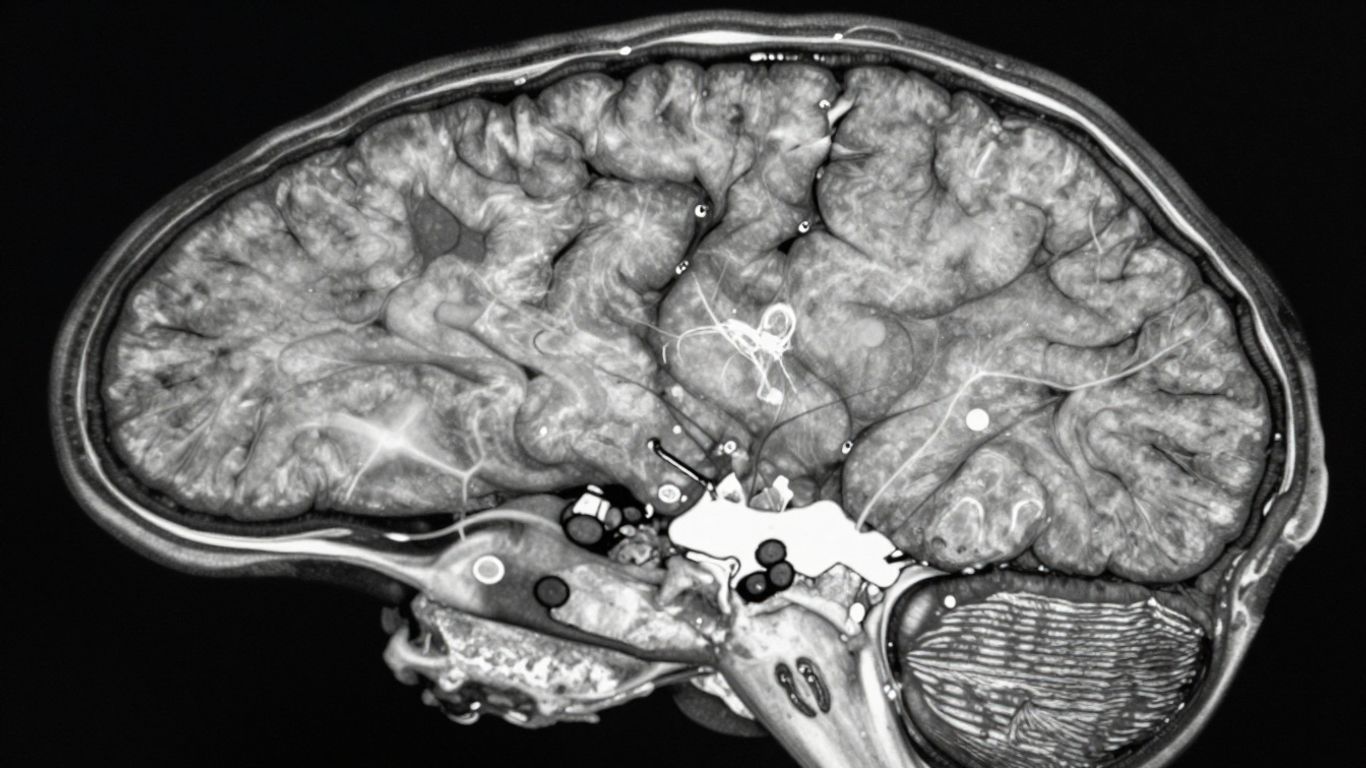
The foundational 8-week MBSR study at Harvard
Researchers at Massachusetts General Hospital conducted a landmark investigation that forever altered the perspective on mindfulness as a mere relaxation tool. By tracking participants in an eight-week mindfulness meditation program, they demonstrated tangible evidence that daily practice alters the physical architecture of the brain. This study was pivotal in proving that cognitive shifts are rooted in verifiable anatomical modifications rather than transient psychological comfort.
Evidence from long-term meditation practitioners
Long-term data suggest that the cumulative effects of meditation create sustained structural benefits in the cortex. Studies often compare experienced practitioners against novices, identifying thickening in regions responsible for attention and emotional integration. These findings imply that the deeper the engagement in meditation over time, the more statistically significant the physical improvements in grey matter density become.
Comparative analysis of meditation versus other cognitive activities
When researchers look at how different activities influence brain health, they often find that varied cognitive challenges offer distinct outcomes. The table below summarizes how meditation interventions specifically compare to other forms of cognitive stimulation:
| Activity Type | Primary Target Region | Observed Physical Outcome |
|---|---|---|
| Mindfulness Practice | Prefrontal Cortex | Increased cortical thickness |
| Aerobic Exercise | Hippocampal Volume | Enhanced neurogenesis |
| Logic Puzzles | Neural Pathways | Improved synaptic efficiency |
This comparison underscores why mindfulness meditation is increasingly treated as a distinct specialized intervention rather than a supplementary hobby. Participants who choose the 8-week MBSR program often report outcomes that differ significantly from those who rely solely on passive cognitive exercises or light physical activities.
Key brain regions influenced by mindfulness
Impact on the prefrontal cortex and executive control
The prefrontal cortex acts as the command center for high-level decision-making and emotional regulation. Regular mindfulness practice often shows increased density in this region, which supports higher cognitive functions. Improving this area helps individuals manage impulses more effectively during high-stress situations.
Changes in the amygdala and emotional regulation
The amygdala is the brain’s alarm system, constantly scanning for threats and mediating stress responses. Research consistently shows that consistent practice leads to a decreased volume in this region, which correlates with diminished reports of anxiety. By moderating the amygdala, individuals can maintain better emotional equilibrium and respond to external triggers with greater clarity.
Strengthening the hippocampus and memory retention
The hippocampus is crucial for memory formation, spatial awareness, and regulating cortisol levels. Enhancing the physical volume of the hippocampus is associated with better recall and faster learning speeds.
Posterior cingulate cortex and self-referential thought
Persistent practice impacts the posterior cingulate cortex, a region heavily involved in self-referential thought and focus. Learning to observe thoughts without becoming anchored to them changes how this area processes internal narratives, creating a greater sense of psychological distance from intrusive mental states.
Physiological mechanisms behind structural changes
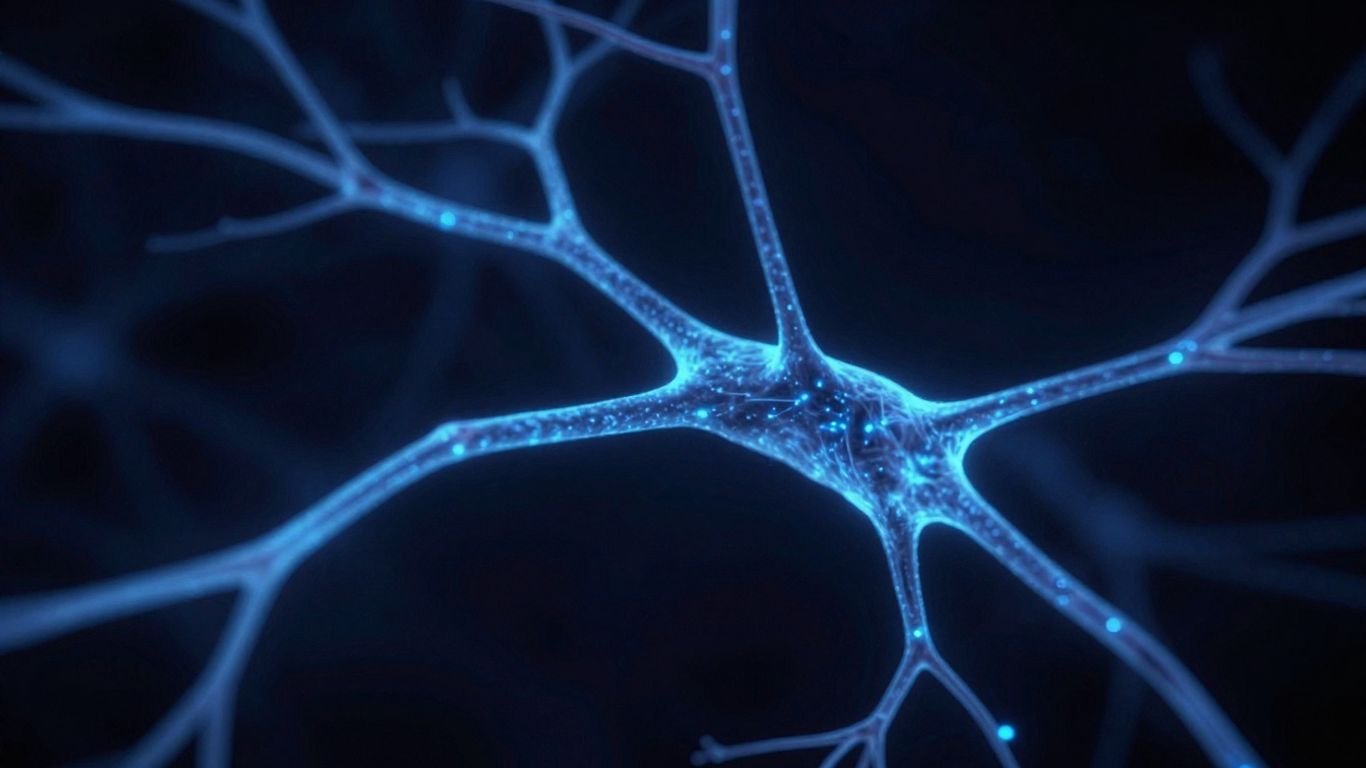
Synaptic density and cellular connectivity
At a cellular level, meditation may trigger a proliferation of new synaptic connections that improve the efficiency of information transfer. This structural refinement allows the brain to route signals with less interference, resulting in faster and more accurate processing. Researchers continue to examine whether these specific changes are driven by increased dendrite branching or glial cell support within the grey matter.
Potential effects on localized blood flow and metabolism
Consistent mental training can influence local metabolic rates, keeping brain tissues well-oxygenated and supplied with essential nutrients. Some evidence suggests that increased vascularity accompanies the rise in cortical density, providing the necessary energy for long-term structural maintenance.
Reduced atrophy in age-related cognitive decline
Meditation may serve as a protective buffer against the natural degradation that occurs as we age. Researchers studying age-related grey matter loss identify several factors that meditation seems to help mitigate:
- Maintenance of neural junction density despite natural progression of time.
- Preservation of cortical volume in areas essential for executive functioning.
- Downregulation of chronic inflammatory processes affecting neural tissues.
- Sustained metabolic rate in cognitive centers.
These indicators suggest that incorporating a consistent practice could be fundamental for healthier long-term neurological function.
Navigating the limitations of neuroimaging studies
Addressing issues with correlation versus causation
A core challenge in this field is demonstrating that meditation causes structural change, rather than pre-existing high-performing brains being predisposed to meditation. Many studies now incorporate longitudinal frameworks to ensure these observations track development over time.
Challenges regarding small sample sizes and diversity
Early clinical research often relied on small cohorts, which can limit the generalizability of findings. Future research will need to prioritize larger, more diverse populations to ensure that findings regarding meditation and grey matter hold true across different demographics and life experiences.
Separating temporary state changes from permanent brain traits
It is vital to distinguish between a temporary increase in blood flow and a permanent change in physical brain structure. Distinguishing these requires repeated, spaced-out MRI scans that look for stability after long periods without training.
Future directions in mindfulness research
Personalized meditation protocols for neurological health
Future technology may allow us to tailor meditation routines to specific user needs, focusing on the brain regions most in need of attention. By combining biometric feedback with real-time neural data, we can create hyper-targeted programs that maximize the benefits for every participant.
Preventing age-related decline through consistent practice
Research into preventative medicine will likely emphasize the role of meditation in maintaining structural integrity as practitioners reach advanced age. The focus remains on establishing clear guidelines for how much daily practice is required to see these protective effects continue well into an individual’s later years.
Bridging the gap between clinical outcomes and brain scans
Connecting biological data with subjective human experience is the next frontier of this discipline. By aligning objective metrics like voxel-based morphometry with qualitative participant reports, we can build a cohesive model of how daily practice impacts overall life quality.
Conclusion
Research regarding meditation and brain structure indicates that daily practice effectively scaffolds our neurological health, providing a measurable pathway for long-term cognitive maintenance. By integrating these practices into our daily lives, we can better understand the potential for neuroplasticity to support mental clarity and resilience throughout the human lifespan.
Frequently Asked Questions
How does meditation physically change the brain?
Meditation promotes structural changes through the process of neuroplasticity, where consistent practice strengthens neural pathways and increases synaptic density in specific cortical regions associated with attention and stress regulation.
Is an 8-week program enough to change my brain?
Yes, clinical studies indicate that an eight-week commitment to regular practice is often sufficient to trigger measurable structural changes in the cortex and hippocampus, as documented by serial MRI scans.
Can meditation reverse age-related memory loss?
While research is ongoing, studies suggest that meditation can help preserve grey matter density and slow the natural rate of attrition caused by aging, potentially mitigating some cognitive decline.
Does meditation improve my ability to focus?
Yes, meditation helps by strengthening the prefrontal cortex and posterior cingulate cortex, which are essential for sustained attention, executive control, and the management of internal focus.
Are the structural changes seen in the brain permanent?
Structural changes can be sustained through continued practice, though the brain remains dynamic; if a habit is abandoned long-term, some of those structural advantages may diminish as the brain adapts to new patterns.
Do I need to meditate for hours to see results?
No, many studies show that even 20 to 30 minutes of consistent daily practice can yield significant structural benefits compared to non-practitioners.
What part of the brain is most affected by meditation?
While impacts vary by individual and technique, the prefrontal cortex, hippocampus, and amygdala are the most frequently cited regions showing morphological changes in response to mindfulness training.

0 Comments