


Key Takeaways
Understanding the physiological impact of chronic stress is vital for long-term well-being. The following points summarize the impact of cumulative stress on the human body:
- Allostatic load describes the wear and tear caused by chronic stress on biological systems.
- The body maintains stability through changes in internal processes, known as allostasis.
- Chronic stress, when untreated, can overwhelm the body’s ability to recover and adapt efficiently.
- Biomarkers such as cortisol and blood pressure are commonly used to assess cumulative physiological impact.
- Targeted lifestyle modifications, combined with professional support, can effectively mitigate the effects of allostatic overload.
Defining allostatic load and its biological basis
The concept of homeostasis versus allostasis
Homeostasis traditionally refers to the body’s effort to return to a fixed set point, such as body temperature, to survive. In contrast, allostasis describes the process of achieving stability through active, ongoing adaptation to changing environmental demands.
Biological costs of constant physiological adaptation
Every time the body adjusts to a new demand, it incurs a biological cost. This cost represents the energy and resources spent by various systems to keep the organism functional, which can lead to fatigue if the adaptation process never terminates.
Understanding the wear-and-tear metaphor in stress research
Chronic stress creates wear and tear on the body, similar to how mechanical parts degrade under constant tension. This metaphorical framework helps clinicians explain why prolonged activation of the stress response eventually compromises tissue and organ integrity.
Why cumulative stress differs from acute stress responses
Acute stress is a temporary, survival-oriented reaction designed to solve an immediate problem. In contrast, cumulative stress results from the persistent failure to shut down these defensive systems, as described in the allostatic load model, leading to systemic breakdown.
Key biological systems involved in cumulative stress
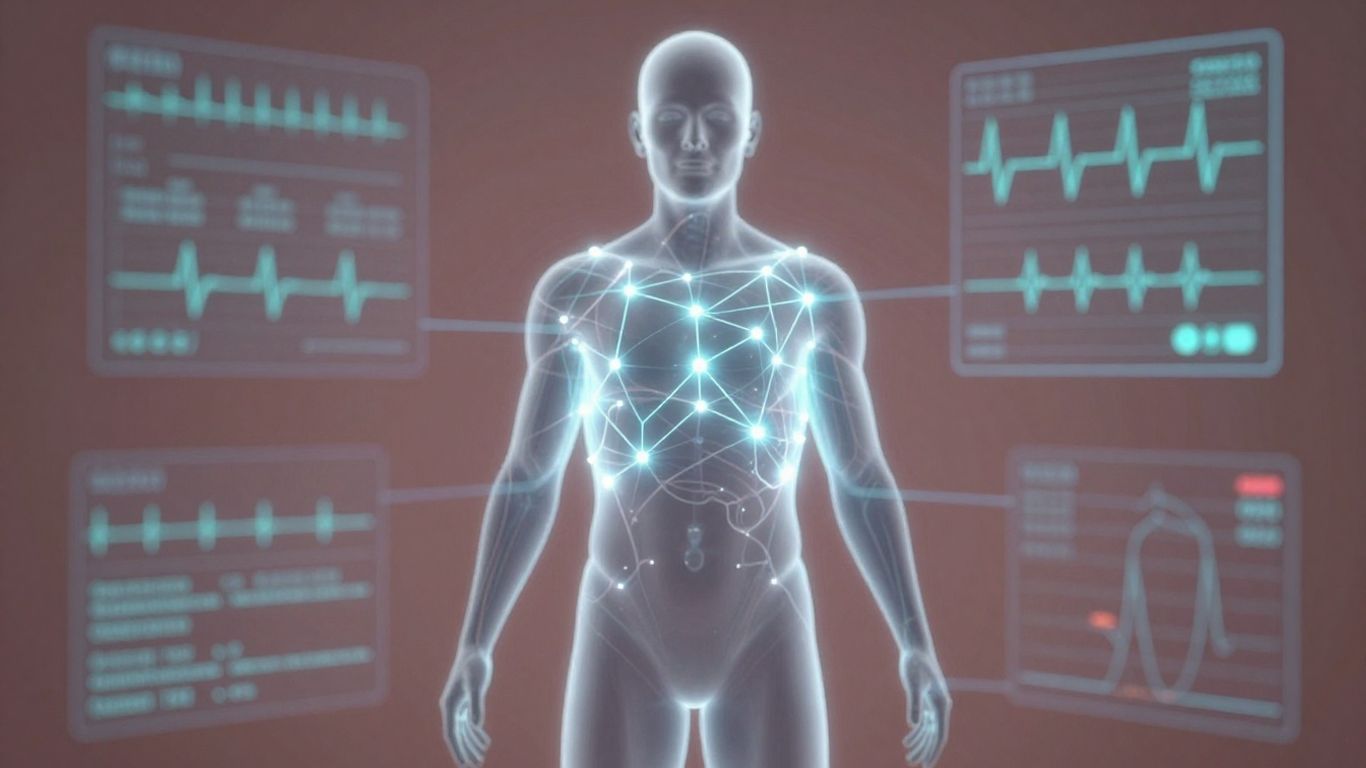
Hypothalamic-pituitary-adrenal (HPA) axis activation
The HPA axis acts as the central command for our stress response. When this axis remains chronically active, it floods the body with glucocorticoids, which can eventually dysregulate the hormonal signals necessary for health.
Sympathetic nervous system and catecholamine release
Continuous stimulation of the sympathetic nervous system leads to prolonged increases in heart rate and blood pressure through sustained catecholamine release. The following list illustrates common physiological effects of this state:
- Sustained tachycardia or elevated resting heart rate
- Persistent vasoconstriction leading to hypertension
- Increased energy expenditure during rest periods
- Diminished ability to shift into parasympathetic recovery
Systemic inflammation and immune system dysregulation
Chronic stress dampens the immune response by altering the inflammatory signaling pathways. This shift often leaves the body vulnerable, as the immune system loses its precision and begins to attack tissues or fail to clear pathogens properly.
Metabolic interactions and glucose control
Persistent stress signals prompt the liver to release stored glucose into the bloodstream as a source of quick fuel. Under chronic conditions, this process destabilizes glucose regulation, as seen in the following comparative table of system responses:
| System | Acute Response | Chronic Impact |
|---|---|---|
| Cortisol | Brief spike | Sustained elevation |
| Blood Pressure | High temporary | Constant hypertension |
| Insulin | Sensitivity | Chronic resistance |
Quantifying allostatic load in clinical settings
Common biomarkers used in contemporary research
Researchers use medical professional biomarkers to measure the cumulative strain on multiple bodily systems. These include testing for catecholamine levels, inflammatory markers, and metabolic health indicators.
Limitations of composite index measurement models
While composite indices attempt to provide an overall score for physiological strain, they often ignore the complex timing and duration of individual biomarkers. This lack of nuance can mask the specific pathways through which damage is occurring.
Predicting long-term health outcomes through systemic data
By analyzing longitudinal trends in allostatic load assessment, doctors can anticipate risks for cardiovascular disease and metabolic syndromes early on. This proactive approach helps in targeting interventions before significant damage becomes irreversible.
Standardization challenges across different demographics
Creating a standardized way to measure this load is difficult because baseline levels vary based on age, sex, and environment. These differences necessitate personalized interpretations of laboratory data.
How chronic stress impacts long-term physiological health

Cardiovascular health and blood pressure regulation
Persistent stress keeps the vascular system in a state of high alert, which can lead to arterial damage over time. Protecting the heart might involve monitoring your cardiovascular health markers regularly.
Impact on cognitive function and structural brain health
Chronic exposure to stress hormones can physically prune dendritic connections in the prefrontal cortex, impairing decision-making processes.
This structural change shows the deep link between stress and neurobiology, often resulting in diminished executive function and memory over time.
Metabolic dysregulation and the risk of insulin resistance
When cortisol remains elevated, it alters how the body stores and utilizes fat, promoting central adiposity. This metabolic shift is a primary driver for the development of chronic insulin resistance.
Accelerating cellular aging and telomere attrition
At the cellular level, constant stress is associated with shorter telomeres, which are the protective caps on the ends of chromosomes. This represents a literal biological aging of cellular DNA, accelerated by environmental and emotional pressure.
Differentiating adaptive allostasis from allostatic overload
The threshold where adaptation turns into pathology
Allostasis is inherently helpful when it keeps us alive through moderate changes. Pathology begins at the threshold where the energy required for regulation exceeds the available reserves, leading to physiological deficit.
Cumulative effects of high-effort, low-reward stressors
When an individual exerts massive effort without receiving the expected result, the nervous system enters a state of frustration. This profile is particularly damaging because it forces the body to maintain expensive stress responses without providing the biochemical relief of achieving the goal.
Environmental and psychological catalysts for overload states
External factors such as persistent poverty, social isolation, or high-pressure work environments act as chronic fuel for the engine of allostatic overload. The combination of these stressors often creates a feedback loop that is difficult to break without identifying the primary environmental catalysts.
Signs that systems have lost the capacity for recovery
Eventually, the body may stop exhibiting spikes in stress markers and instead present a flat, blunted physiological profile. This implies a systemic exhaustion where the regulatory systems have lost their capacity to respond correctly to even minor challenges.
Strategies for reducing and managing physiological load
Evidence-based nervous system regulation techniques
Techniques such as controlled breathing, progressive muscle relaxation, and mindfulness meditation are essential for dampening the sympathetic nervous system.
Lifestyle modifications to support resilience and recovery
Regular physical activity and disciplined sleep hygiene are foundational for balancing the metabolic output of the body. These habit-based changes allow organs to recover from the daily wear and tear of living.
The role of social support systems in buffering stress
Social connectivity provides a buffer that can lower the perceived intensity of stress, reducing the biological demand on the HPA axis. Strong bonds offer emotional stability, which effectively limits the activation of the body’s emergency responses.
Identifying when to seek professional medical intervention for chronic strain
If lifestyle changes fail to restore energy or improve health outcomes, professional guidance is necessary. Doctors can provide advanced care to prevent the progression of deep-seated systemic fatigue.
Conclusion
Addressing cumulative physiological stress is a foundational step in maintaining long-term vitality, as the body’s internal balancing acts cannot continue indefinitely without period recovery. By recognizing the subtle signs of allostatic overload and adopting proactive, evidence-based self-care, individuals can reclaim their health and protect their biological future from the hidden costs of chronic tension.
Frequently Asked Questions
What is the difference between homeostasis and allostasis?
Homeostasis involves maintaining a stable set point within a narrow range, whereas allostasis achieves stability through change by managing the physiological costs of responses to environmental demands.
Can allostatic load be reversed?
In many cases, the body can recover from early signs of accumulated load through significant lifestyle changes and systemic stress reduction strategies focused on restoring metabolic and hormonal balance.
What are some common biomarkers used to track stress?
Clinicians commonly assess cortisol levels, blood pressure readings, glucose metabolism indicators, and systemic inflammation markers to quantify the impact of chronic stress on the body.
How does chronic stress lead to heart disease?
Repeated activation of the cardiovascular system triggers high blood pressure and arterial tension, eventually leading to structural damage and decreased efficiency in blood flow management over several years.
Is allostatic load always unhealthy?
No, allostatic processes are necessary for survival in a changing environment, but the state becomes problematic when it results in persistent wear and tear that exceeds the body’s limited recovery capacity.
What role does sleep play in managing stress?
Sufficient sleep is critical for clearing out stress hormones and allowing repair processes to stabilize, acting as a mandatory reset for systems exhausted by the demands of the day.
When should I seek help for chronic stress?
If you experience persistent fatigue, unexplained changes in weight, difficulty concentrating, or blood pressure issues that do not resolve with rest, it is prudent to consult a professional to discuss your overall wellness.

0 Comments