

Key Takeaways
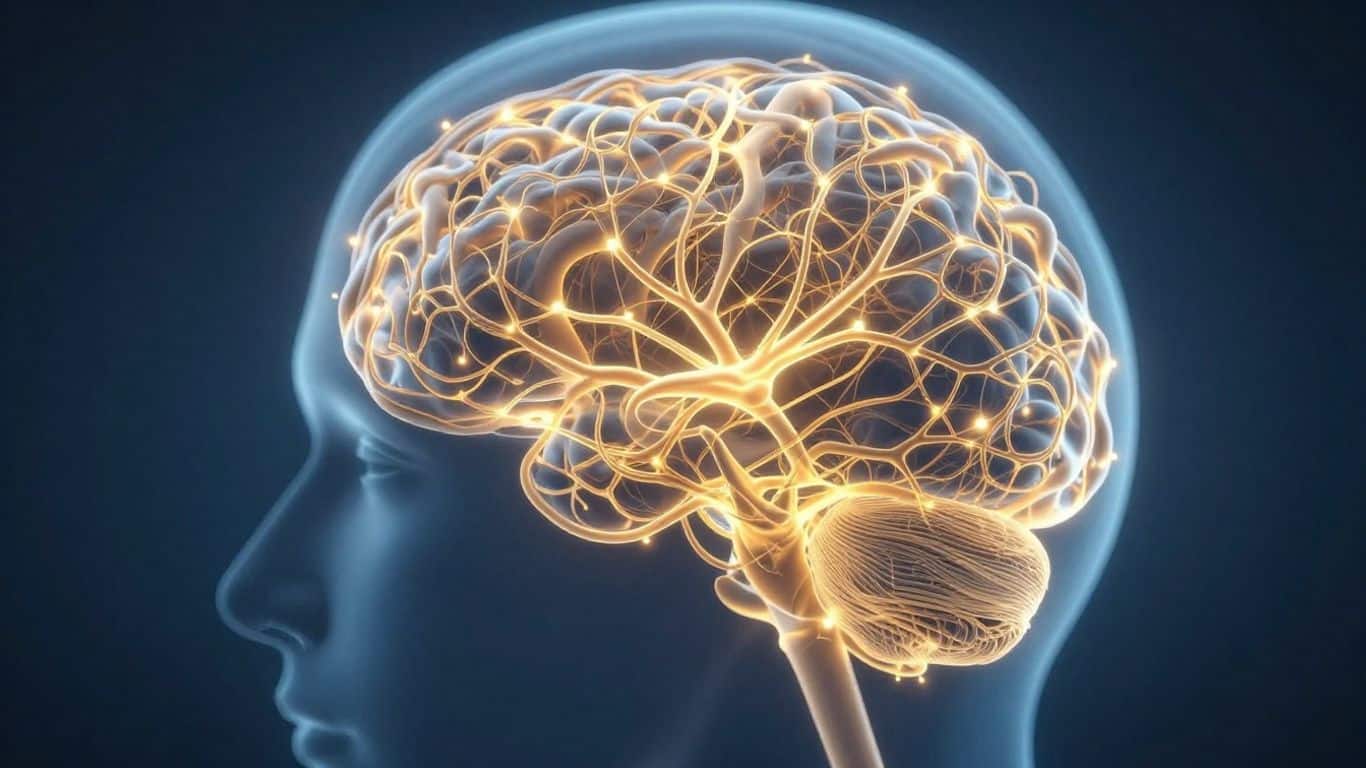
Understanding the freeze response helps clarify why humans sometimes become immobile under stress. This physiological reaction mirrors ancient survival mechanisms often studied in comparative neuroscience.
- The freeze response functions as an involuntary parasympathetic brake.
- It differs distinctly from the high-energy fight-or-flight pathway.
- Symptoms include profound physical paralysis and cognitive fog.
- Chronic states can lead to long-term dissociation and anxiety.
- Regulating the nervous system requires consistent somatic grounding techniques.
Understanding the biology behind the freeze response
When the brain perceives an overwhelming threat, the traditional fight-or-flight mechanisms sometimes fail to trigger, leading to an alternative survival strategy. This state is not a sign of weakness but rather a complex physiological adaptation involving the prehistoric parts of our internal regulation systems.
The role of the autonomic nervous system
The autonomic nervous system acts as the primary controller for involuntary body functions, splitting the workload between the sympathetic and parasympathetic branches. During a freeze state, the body attempts to conserve energy while managing perceived danger, which creates a unique physiological profile compared to active movement responses.
Activation of the dorsal vagal complex
The dorsal vagal complex remains the oldest part of the vagus nerve and becomes active when the brain deems active fight or flight dangerous or futile. This system slows down metabolic processes, leading to the muscular immobilization that characterizes the freeze state. It essentially forces a shutdown of motion to prioritize internal stability over external engagement.
Evolutionary purpose of the freeze mechanism
In the wild, remaining motionless serves as a vital survival tactic to escape the notice of predators that rely on motion to track their prey. This ancestral trait remains encoded within our modern biology, manifesting when the brain evaluates a threat as insurmountable. Learning the core mechanics of this involuntary reaction provides deeper insight into how the brain reacts to stress.
Differences from the sympathetic fight-or-flight pathway
Distinguishing between active and passive responses is essential for recognizing how our bodies navigate trauma. The following comparison highlights the fundamental physiological divergence between these modes:
| Feature | Sympathetic (Fight-or-Flight) | Parasympathetic (Freeze) |
|---|---|---|
| Heart rate | Rapid acceleration | Significant deceleration |
| Muscle tone | High tension and readiness | Rigid paralysis or limpness |
| Cognitive state | Hyper-alert and sharp | Foggy and detached |
These differences illustrate the extreme range of human survival strategies. While the sympathetic system demands immediate physical exertion, the freeze state acts as an internal circuit breaker against overwhelming pressure.
Identifying symptoms of the freeze response

Recognizing that a person is transitioning into a freeze state requires attention to subtle behavioral and physiological shifts. These indicators often appear when an individual faces a stressor that triggers their internal threat detection system.
Physical sensations like numbness and paralysis
One often reports a sudden feeling of leaden limbs or an inability to initiate movement even in safe environments. The sensation of being physically stuck or heavy is a hallmark of the body attempting to manage an intense, yet suppressed, stress arousal.
Emotional detachment and depersonalization
Many individuals describe a sense of floating away from their physical bodies or perceiving the world through a thick veil. This defensive detachment serves to insulate the psyche from overwhelming intensity, which is a common occurrence in trauma-informed survival scenarios.
Cognitive blocking and executive dysfunction
When the system floods with survival-mode signals, the prefrontal cortex struggles to maintain routine focus. Thoughts become intermittent or vanish entirely, making the execution of simple tasks feel like climbing a mountain. It is a common experience, often described as a mental block during high-pressure moments.
Behavioral indicators in social situations
Individuals moving into a freeze state often exhibit specific behavioral markers. Observing these signs can help one understand the underlying struggle:
- Sudden loss of eye contact during conversation.
- Inability to respond to direct verbal prompts.
- A flat, monotonous vocal tone during interactions.
- Noticeable withdrawal from active social participation.
The psychological triggers that induce freezing
Psychological triggers often stem from environments that mirror the helplessness or lack of agency experienced during earlier developmental trauma. The brain maps these current stressors against past experiences, activating the freeze state to mitigate perceived harm before it fully unfolds.
High-pressure environments and overwhelm
Mental exhaustion frequently acts as a bridge to the freeze response when the environment demands performance that the brain currently feels incapable of providing. The gap between expectation and internal capacity creates a deficit that forces the nervous system to halt.
Perceived lack of control in stressful scenarios
When an individual feels the absolute inability to influence an outcome, the brain may abandon active engagement in favor of conservation. This phenomenon highlights that the freeze state is often a response to perceived powerlessness rather than the physical danger itself.
Traumatic reminders and associative triggers
A sound, a specific location, or even a nuanced social gesture can act as an anchor to past events. These sensory reminders bypass rational thought, instantly signaling the body to enter a defensive state as if the original event were recurring today.
Social threat and fear of judgment
Social landscapes can be just as threatening to the nervous system as physical danger, particularly when the fear of rejection is high. Recent research explores how this defensive response to social threats, such as observing hostility or anger in others, leads to localized freezing in controlled laboratory settings.
Distinguishing freeze from fawn and shut down
It is common to confuse different survival patterns, yet each serves a unique function within our neural architecture. Clarification between these modes allows for more precise self-reflection and therapeutic work.
Defining the fawn response as a relational adaptation
The fawn response is characterized by people-pleasing and appeasement strategies intended to avoid conflict and maintain safety. Unlike the isolate-and-numb nature of freezing, fawning involves hyper-social behavior to navigate interpersonal stress.
Comparing freeze to the collapse or shut-down state
While freeze and shut down are related, they operate on different scales of intensity. An individual in a freeze state remains alert but immobile, whereas a total shut down or collapse often indicates a move toward complete internal withdrawal and restorative sleep-like biology.
Why the nervous system prioritizes specific survival patterns
The brain selects the response that carries the highest probability of survival based on the immediate context. By observing our own natural reactions to stress, we can identify which patterns have become our primary templates for navigating change.
The overlap between stress reactions in complex trauma
In scenarios of repeated tension, these survival reactions often form an interconnected web that complicates emotional regulation. The nervous system becomes highly efficient at cycling through these defenses to protect the individual from perceived distress.
Long-term effects of chronic freeze states
Persistent movement into a freeze state can alter one’s baseline functioning, turning a temporary survival tool into a permanent default mode of operation. Over time, this chronic activation has measurable impacts on health and daily life.
Impact on mental health and anxiety disorders
Regularly entering a freeze state often correlates with heightened anxiety, as the brain constanty scans for threats. The constant switching between active states and involuntary immobilization creates a state of internal exhaustion.
Physiological consequences of suppressed stress arousal
When stress chemistry is not metabolized through movement, it can linger in the body, contributing to chronic inflammation or digestive issues. The inability to fully discharge reactive energy leaves the body in a state of suspended agitation.
Difficulty maintaining focus and motivation
Long-term freezing depletes the energy needed for future-oriented tasks, often leading to a persistent sense of procrastination. The cognitive effort required to break through this state usually exceeds what an individual can naturally produce.
Persistent feelings of being disconnected from reality
When the system remains in a protective, detached mode, the world may feel unreal or muted. This persistent state of depersonalization is a major factor in the disruption of healthy life satisfaction.
Strategies for regulating and thawing the nervous system
Regulating the nervous system requires intentional actions that signal safety to the brain, gradually inviting it to disengage the internal alarm. This process is rarely instantaneous, requiring patience and a gentle approach to physiological work.
Somatic grounding techniques for physiological reconnection
Somatic grounding encourages the body to acknowledge its presence in the here and now through physical awareness. Techniques like rhythmic movement, tapping, or focused breathing help anchor the mind when dissociation begins to set in.
Using sensory input to cue safety to the brain
Engaging the senses through soothing textures, familiar scents, or grounding vocal tones provides the nerves with evidence that the threat has passed. This sensory feedback loop is fundamental to shifting back into a more fluid range of movement.
Gradual exposure and tolerance building
Slowly increasing one’s capacity to handle small amounts of stress builds the resilience necessary to avoid the automatic pull of the freeze response. It is about expanding one’s "window of tolerance" without forcing unnecessary pressure.
The role of co-regulation and external support systems
Because the nervous system is designed for social connection, having a calm and supportive partner or mentor can help regulate one’s internal state. Co-regulation acts as a external steadying hand, allowing the brain to mirror the safety cues provided by others.
Conclusion
Understanding the freeze response acknowledges that our bodies possess ancient, effective, and sometimes misaligned methods for managing danger. By developing awareness and employing grounding strategies, we can begin to thaw these long-held defensive patterns and move more freely through life, reclaiming our agency from the reflexive habits of our nervous system.
Frequently Asked Questions
Why does the freeze response happen suddenly?
The freeze response is an involuntary reflex triggered when the brain processes a threat as too overwhelming for current resources or action.
Can I train myself to avoid freezing entirely?
It is better to focus on building resilience rather than elimination, as the goal is to expand your ability to process stress without defaulting to paralysis.
Is the freeze state always harmful?
It is a survival adaptation that serves a purpose in life-threatening scenarios; it only becomes harmful when it is triggered inappropriately by mundane stressors.
Do children and adults experience freezing differently?
Children may show more overt behavioral freezing because they have fewer internal resources to manage conflict, while adults often internalize the experience as cognitive fog or detachment.
How does physical movement help with the freeze response?
Movement signals to the autonomic nervous system that you are transitioning away from the passive protection mode into active engagement, helping to discharge excess arousal.
Does meditation help with chronic freezing?
Meditation can be helpful, but it should be approached carefully as some forms of silence might inadvertently trigger the detachment or dissociation experienced during a freeze event.
Where can I find professional support for this?
Therapists who specialize in trauma or nervous system regulation can offer specific, guided techniques tailored to your physical and emotional history.

0 Comments