


Key Takeaways
- Meditation triggers structural changes in the brain by reinforcing beneficial neural pathways.
- Consistent practice leads to measurable increases in cortical thickness and gray matter density.
- The brain’s inherent adaptability allows for deliberate rewiring through focused attention training.
- Long-term meditation practice serves as a protective mechanism against age-related cognitive decline.
- Functional reorganization results in improved stress response regulation and emotional stability.
The science of neuroplasticity and meditation
Scientific research has increasingly highlighted the profound capacity of the human brain to adapt and reorganize its structure over time. By engaging in dedicated mental exercises, practitioners can move beyond basic relaxation and begin to physically alter the architecture of their neural networks. This biological reality means that our daily habits, including silence and focused attention, leave a lasting footprint on our cognitive health. This article explores the profound neurobiological changes that occur with regular mindfulness and meditation practice, providing a foundation for understanding how our minds can truly reshape themselves.
Understanding neuroplasticity as the brain’s inherent adaptability
Neuroplasticity represents the brain’s extraordinary ability to form new connections and modify existing ones in response to environmental stimuli or internal behavior. For decades, the scientific community operated under the assumption that the adult brain remained fixed, but contemporary data proves otherwise. The brain is instead a dynamic organ that remains highly responsive to repetitive training throughout an entire lifespan. This fluidity allows individuals to actively change their cognitive baseline through conscious mental labor.
How contemplative practice triggers physical changes
When you engage in meditation, you are essentially initiating a targeted workout for your cerebral infrastructure. By holding your focus on a single anchor, such as the breath, you stimulate specific neural clusters that govern concentration and sensory processing. This sustained activity recruits more blood flow and metabolic support to regions frequently utilized during sessions. Over repeated cycles of engagement, the brain effectively prioritizes these active pathways, leading to enhanced biological efficiency.
Challenging the myth of the static adult brain
For a long time, doctors believed that the physical architecture of the mind reached a finalized state shortly after adolescence. We now recognize that the brain acts more like a muscle than a static piece of hardware, capable of thickening and strengthening with use. This transition in our scientific understanding means that mental decay is not an inevitable fate for the aging mind. Through intentional neuro-maintenance, active change becomes a measurable outcome rather than a philosophical ideal.
Why meditation functions as a workout for neurodevelopment
Just as lifting weights forces muscles to adapt to resistance, meditation requires the brain to navigate the resistance of distraction. Every time your mind wanders and you gently draw it back, you exercise the regions of the prefrontal cortex responsible for higher-order regulation. This repetitive task functions as a form of resistance training that builds neural endurance. It is a systematic process that Rivia Mind supports by training attention to help improve synaptic connections.
Structural changes observed in long-term meditators
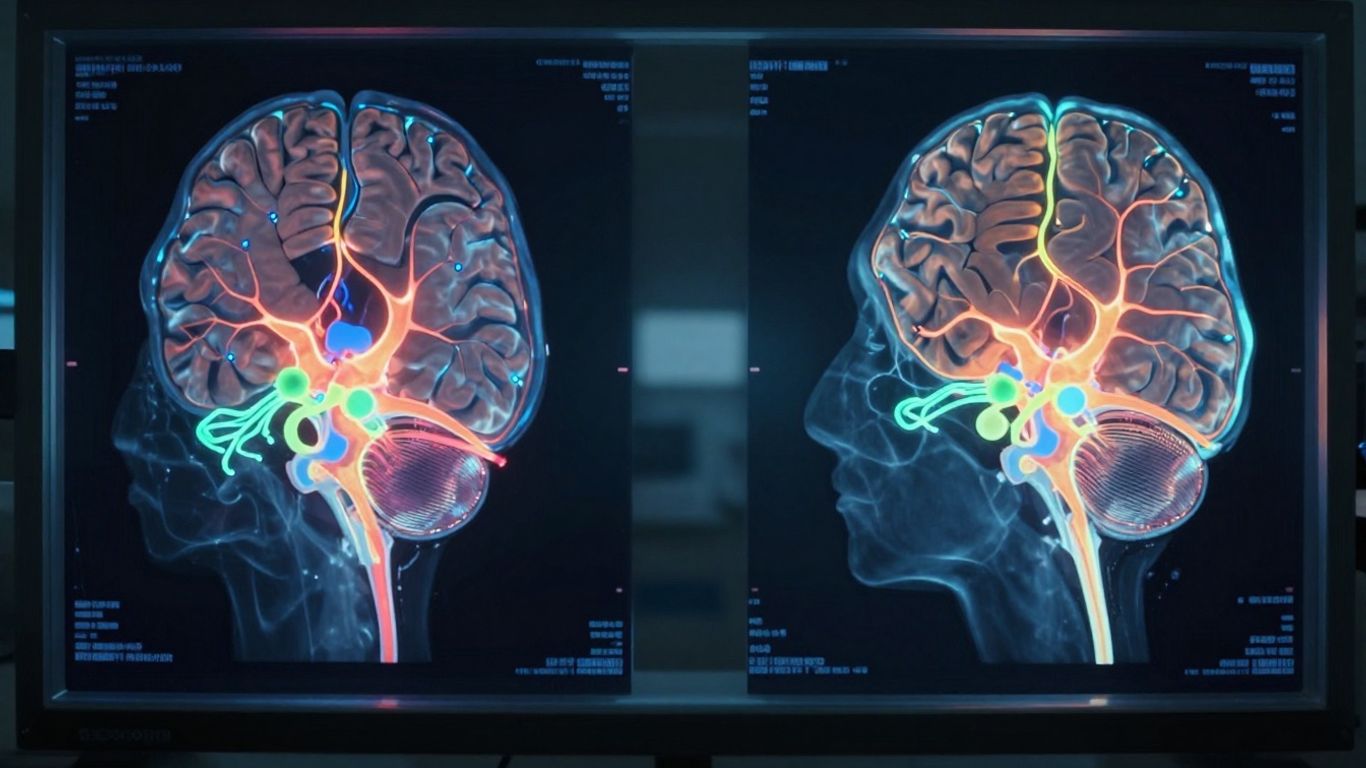
Long-term meditative practice correlates with significant, localized changes in the physical mass of specific brain regions linked to emotion and cognition. Through high-resolution imaging, researchers have identified that meditation does not just provide a temporary state of calm but a permanent shift in how the brain is built. These structural modifications provide the objective evidence that the mind is indeed malleable to our focused efforts. Such changes explain why dedicated practitioners often experience profound, long-term improvements in their baseline emotional quality and cognitive efficiency.
Increased cortical thickness in the prefrontal cortex
The prefrontal cortex serves as the brain’s executive commander, managing complex tasks like impulse control and high-level decision-making. Studies frequently show that individuals who maintain a regular practice develop greater cortical thickness in this area, which corresponds with higher levels of executive control. A thicker cortex provides more biological bandwidth for handling complex problems. This physical growth suggests that we can indeed strengthen our innate capacity for logical and rational thought.
Shrinking the amygdala to dampen stress reactivity
The amygdala is primarily responsible for triggering the primal fight-or-flight response when it perceives environmental danger. In many modern humans, this region becomes hyper-responsive, leading to chronic anxiety and unnecessary cortisol production. Research indicates that consistent practice leads to a reduction in gray matter density within this specific structure. By dampening the volume of the amygdala, the brain becomes less prone to being hijacked by reactive emotional states.
Expanding gray matter density for improved executive function
Beyond individual regions, meditation is linked with an overall expansion of gray matter density across areas essential for memory and cognitive speed. This expansion signifies that brain cells are better connected and more robust, allowing for faster retrieval of information during demanding tasks. This structural growth translates to a brain that is more resilient in the face of pressure. Enhanced density serves as a buffer against the wear and tear of intense intellectual work.
Strengthening the hippocampus for better emotional regulation
As the command center for memory and spatial navigation, the hippocampus also plays a vital role in keeping emotions in balance. Research demonstrates that mindfulness practices are associated with a thickened hippocampus, a change critical for regulating emotional intensity. This growth allows the brain to better distinguish between past triggers and present realities. When the hippocampus is strong, it acts as a stabilizing anchor for the entire emotional system.
Functional reorganization of the brain
Beyond physical changes, the way different brain regions communicate shift significantly through sustained practice. Neural pathways that previously operated autonomously begin to integrate more fluidly, allowing for better synchronicity during daily life. This reorganization effectively optimizes the balance between rest and high-intensity cognitive work, making the mind more efficient when handling stress. By exploring the intersection of meditation and neural networks, we can see how this reorganization benefits both neurological function and mental resilience.
Quieting the default mode network during rest and focus
The default mode network typically stays active when we are lost in mind-wandering or ruminating on past events. Continuous meditation trains the brain to recognize when this network is active, allowing for timely suppression when focus is needed instead. By limiting the baseline chatter of the mind, practitioners conserve cognitive energy. This process allows for a clearer, more intentional engagement with the present environment.
Enhancing connectivity between frontal executive regions and the limbic system
Emotional dysregulation often occurs when the limbic system dominates the prefrontal cortex, leading to impulsive reactions. Through meditation, the brain strengthens the white matter tracts that link executive centers to emotional centers, creating a more responsive feedback loop. This increased connectivity ensures that the executive mind can intervene effectively when emotional heat rises. The result is a person who remains composed under pressure rather than defaulting to frustration.
Shifting brain wave states: from beta to alpha and theta patterns
Meditation allows individuals to intentionally shift their brain from the high-frequency beta waves of stress into the calmer, more integrative alpha and theta patterns. These slower wave states are associated with heightened creativity and relaxed alertness, which are difficult to attain in a constantly overwhelmed state. By accessing these frequencies, the brain clears unnecessary mental clutter. This shift makes it possible to maintain peak function without burning out.
Developing selective and sustained attention through discipline
Developing the ability to direct your focus at will is the core work of any serious meditative practice. This mental discipline requires consistent effort, but it gradually reconfigures the neural circuits responsible for maintaining concentration. By intentionally choosing which stimuli to follow, a practitioner develops an internal filter that minimizes distractions. This capability eventually translates into improved focus in both professional and personal domains.
The role of consistency in permanent rewiring

Achieving lasting changes in brain anatomy is not a task for the occasional enthusiast, as it requires a high degree of repetition to cement gains. The brain is designed to prune away inactive connections, meaning that intermittent practice may fail to yield deep, structural transformations. To make growth permanent, you must bridge the gap between temporary insight and daily habituation. By learning the methods for promoting neuroplasticity, you can establish the consistency necessary for genuine biological change.
Converting temporary mental states into lasting neural traits
Every meditative session produces a state of calm, but the true goal is to convert that state into a stable trait. This happens through the law of synaptic strengthening, where frequently fired circuits become the brain’s default operating mode. By returning to the practice daily, you solidify your progress against regression. Consistency is the primary factor in ensuring that your brain shifts permanently toward a state of balanced calm.
The impact of cumulative practice duration on brain anatomy
There is a direct relationship between the total number of hours invested in practice and the magnitude of neural thickening. Significant changes like increased gray matter density rarely happen during shorter, infrequent bursts of activity. Instead, you need the cumulative effect of hours of training to trigger metabolic change. Those who commit early and often see the most drastic improvements in their cognitive landscape.
Comparing short daily sessions to infrequent intensive retreats
While intensive retreats provide a powerful jumpstart, recent data suggests that short, daily sessions are often more effective for long-term rewiring. A daily practice avoids the spike-and-crash of occasional intense work, providing the brain with the steady, rhythmic input it needs to remodel itself. Short daily windows also allow for easier integration into busy schedules. This manageable pace usually yields better results over a multi-year period.
Overcoming the plateau: maintenance of neural pathways
Even after seeing progress, many practitioners hit a plateau where further development seems to slow down. Maintaining the pathways you have already built is just as important as creating new ones, as inactivity can force the brain to weaken learned capacities. Staying committed means treating the brain as a lifelong priority. By continuing to seek challenges and refine your attention, you keep your neural channels alert and active.
Mechanisms of neural protection and health
Chronic stress stands as one of the most potent inhibitors of cognitive health, actively dismantling the neural structures we try so hard to build. By mitigating the constant, low-level activation of stress, meditation provides a vital protective shield for your brain’s cellular systems. This restorative work prevents common age-related decay and keeps the mind performing at a high level. Taking your brain to the gym in this manner is essential for ensuring your cognitive health remains intact as you grow older.
Lowering chronic cortisol levels to prevent neural atrophy
When stress signals persist, cortisol floods the brain and begins to damage vulnerable hippocampal cells. Regular practice acts as a reset button, helping to normalize hormonal responses and interrupt the cycle of chronic irritation. By lowering circulating cortisol, you effectively remove a toxic element from your internal environment. This allows neurons to maintain their structural integrity instead of suffering from stress-induced atrophy.
Practicing mindfulness is not about escaping reality but about building a brain that is hardy enough to face it with clarity and internal balance.
Boosting telomerase activity for long-term cellular preservation
Recent scientific findings have linked regular meditation with increased telomerase activity, the enzyme responsible for keeping telomeres long and healthy. Short telomeres are a hallmark of rapid cellular aging, which eventually impacts cognitive sharpness. By keeping these caps long, you effectively slow down the cellular aging process of your neural architecture. This molecular protection is one of the most exciting developments in modern neuroscience studies.
Optimizing the brain’s environment for synaptic regrowth
Creating the proper metabolic environment ensures that your brain has the resources to constantly repair and grow new synapses. Meditation practices that emphasize calm and deep breathing encourage better blood oxygenation. This influx of oxygen-rich blood creates a flourishing ecosystem for neural development, which is otherwise hampered by the inflammation caused by high-stress living. A well-nourished brain is far more capable of recovering from fatigue and injury.
Clinical implications for cognitive and mental health
Because of its profound impact on brain structure, meditation has become a clinical area of interest for managing a wide spectrum of modern ailments. Medical practitioners are increasingly viewing this practice as a legitimate adjunctive therapy for conditions ranging from anxiety to memory loss. The ability to directly influence neural activity provides a safer, more sustainable alternative to purely reactive symptom management. By addressing the brain’s internal state, these interventions offer real hope for patients seeking to regain their functional independence.
Relieving chronic physiological responses to stress
Many patients who suffer from chronic ailments find that their physical bodies remain trapped in a perpetual state of alarm. Meditation offers a direct method for downregulating the nervous system, providing relief from tension that is often resistant to conventional therapies. When the body physically stops bracing for impact, the mind can finally begin to heal. This physiological recovery is a vital step in reversing the damage done by decades of overactive stress.
Improving focus and concentration for high-demand cognitive tasks
For those who face high-pressure work or cognitive-heavy environments, meditation provides a sustainable way to maintain mental clarity. By strengthening the machinery of attention, clinicians help patients avoid the mental exhaustion that usually accompanies complex problem-solving. This kind of neural training is increasingly used as a support for high performers who need to keep their cognitive edge. It effectively upgrades the brain’s ability to process demanding tasks without succumbing to fatigue.
Supporting emotional resilience amidst life transitions
Transitions are inherently stressful, but a resilient brain can navigate them with greater stability. Research suggests that long-term meditators possess a greater emotional baseline, which acts as a shock absorber during major life events. Rather than being swept away by fear or uncertainty, the practiced mind can maintain perspective and equilibrium. This resilience is a learned skill that becomes more effective with every passing year.
Addressing cognitive decline through sustained neural training
While neurodegeneration is a significant fear for many, sustained brain training provides a viable counter-strategy. By increasing gray matter and preserving telomere integrity, practitioners can essentially build a cognitive reserve that delays the worst effects of aging. This proactive stance toward personal health offers a powerful tool against memory loss. It is one of the most important preventative measures anyone can take to preserve their future mental self-sufficiency.
Conclusion
Ultimately, meditation is far more than a simple relaxation technique; it is a profound journey of biological and structural transformation that gives you control over the shape and function of your own mind. By committing to a life of consistent, focused practice, you are actively hardening your brain against stress, sharpening its core faculties, and protecting your mental health for years to come. In an era full of noise and constant external demands, the decision to look inward is perhaps the most life-enhancing choice you can possibly make, providing a bedrock of resilience that no external circumstance can easily shake.
Frequently Asked Questions
How long does it take for meditation to change the brain?
While physical changes start appearing in many studies within eight weeks of daily practice, the most significant structural shifts are typically seen over years of sustained commitment.
Can meditation actually help with memory loss?
Research suggests that by increasing gray matter density in the hippocampus-related regions, regular meditation may help maintain cognitive functions and potentially delay aspects of age-related memory decline.
Do I need to meditate for hours a day to see benefits?
No, research shows that short, consistent daily sessions are often just as effective—or even more sustainable—than infrequent longer retreats, allowing for steady neural growth.
Is meditation effective for people with clinical anxiety?
Many studies indicate that meditation can significantly dampen amygdala activity, which helps to lower reactivity to stress triggers and improve emotional regulation for those dealing with anxiety.
What happens to the brain during a meditation session?
During a session, the brain typically shifts from processing high-frequency stress waves toward calmer and more integrated states, which slows down the internal chatter and fosters deeper alertness.
Will meditation affect my ability to solve problems?
Far from hurting your problem-solving skills, meditation strengthens the executive pathways of the prefrontal cortex, which actually enhances your ability to manage complex tasks and make decisions.
Can older adults still benefit from these neuroplastic changes?
Yes, the brain’s ability to change remains a lifelong trait, and older adults can absolutely use meditation and other brain-training habits to help maintain and even enhance their cognitive health.

0 Comments