

Proven Mindfulness
Exploring the proven links between mindfulness, mental clarity and physical health — practical insights for real people navigating real life.
Most mindfulness content makes the same mistake.
It asks you to simply trust the feeling — the calm, the clarity, the sense of something shifting. What it rarely does is explain why that shift happens, what's occurring in your brain, and what the research actually supports versus what's been overstated by the wellness industry.
That's what this site is for.
We translate peer-reviewed neuroscience, psychology research, and contemplative science into plain English for people who are curious about mindfulness but want evidence, not inspiration quotes.
You'll find articles on the neuroscience of meditation — what brain imaging studies actually show about long-term practitioners. The science of stress and how mindfulness intervenes at a physiological level. What attention researchers have discovered about mind-wandering and why it predicts unhappiness more reliably than your circumstances do.
The psychology of self-compassion, emotional regulation, and why the way you relate to your own thoughts matters more than most people realise.
No chakras. No transformation promises. No wellness hype.
Just the science, clearly explained.
Whether you've never meditated or you've been sitting for years and want to understand what's actually happening when you do — you're in the right place.

What Self-Criticism Does to Your Brain ‚ and Why Self-Compassion Is Not Self-Indulgence
Key Takeaways Self-criticism can feel like a tool for improvement, yet repeated harsh judgment may keep the brain in a state of threat. Self-compassion offers a steadier way to respond to mistakes without removing accountability. Useful self-evaluation focuses on...

Radical Acceptance: The Psychology Behind Why Fighting Reality Makes Suffering Worse
Key Takeaways Radical acceptance is the practice of acknowledging reality as it is, even when reality is painful or unfair. It does not erase pain; it reduces the extra suffering created by fighting what cannot be changed right now. Pain is unavoidable, but prolonged...

The Neuroscience of Emotional Regulation: How the Brain Manages Difficult Feelings
Key Takeaways Emotional regulation is not the absence of difficult feelings. It is the brain’s changing ability to notice emotion, understand its significance, and choose a response that fits the situation. Emotions arise from coordinated activity across brain and...

Kristin Neff’s Self-Compassion Research: What the Studies Actually Found
Key Takeaways Self-compassion research Kristin Neff helped define a researchable way of relating to personal suffering. The studies generally point to promising associations and some intervention benefits, while leaving important questions about measurement,...

The Cortisol Awakening Response: What Happens in Your Body in the First 30 Minutes of the Day
Key Takeaways The cortisol awakening response is a naturally occurring, rapid surge in stress hormones that readies your system for the day ahead. Understanding this biological rhythm can help you manage stress more effectively and improve your overall morning...
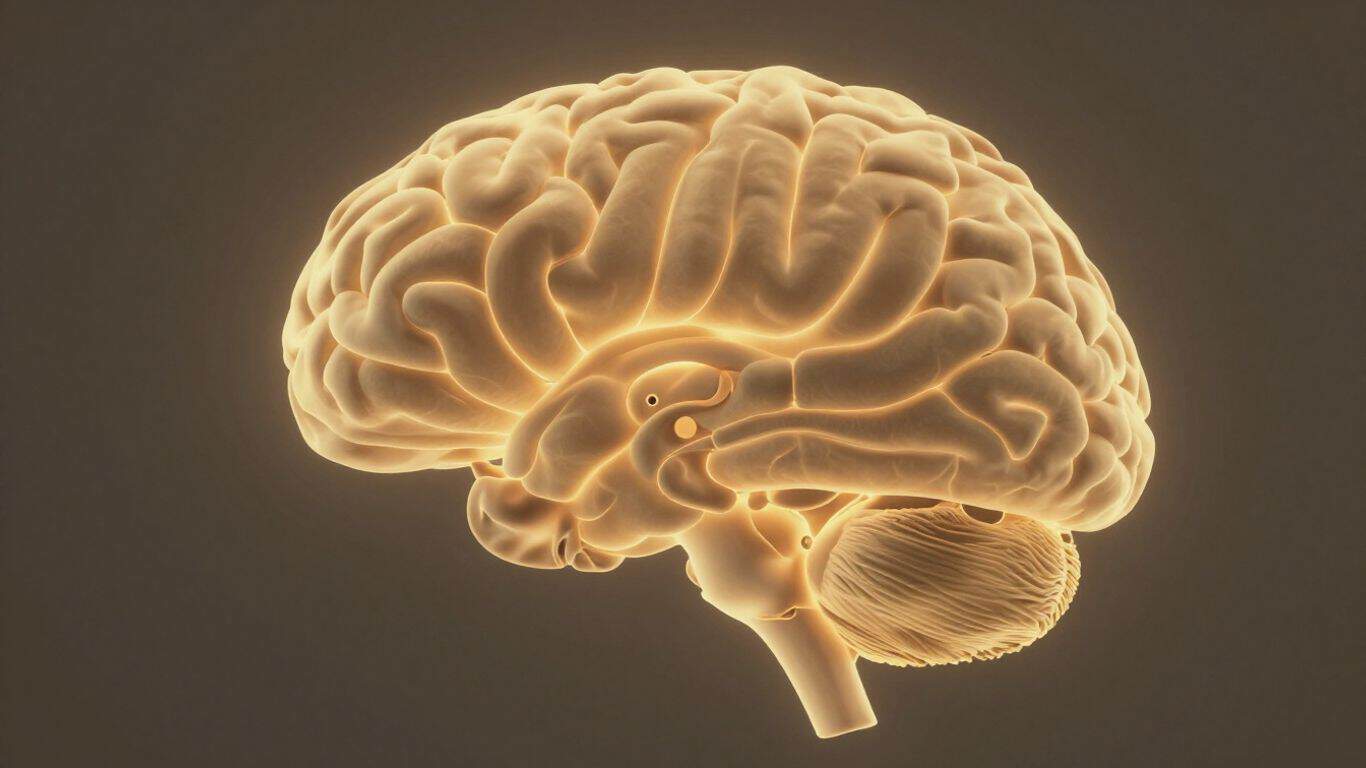
The HPA Axis Explained: How Your Brain Triggers the Stress Hormone Cascade
Key Takeaways Understanding the human stress mechanism is essential for maintaining long-term physical and mental health. This article explores the intricate pathways that turn environmental triggers into physiological responses. The HPA axis serves as a continuous...

The Window of Tolerance: The Nervous System Concept That Explains Why Stress Overwhelms Us
Key Takeaways The following summary highlights essential concepts for understanding how our nervous systems manage stress and maintain emotional balance. Understanding your own responses is the first step toward effective regulation and lasting mental health. The...

Polyvagal Theory Simply Explained: What It Gets Right and Where Scientists Push Back
Key Takeaways This article outlines the core mechanisms of nervous system regulation and its impact on your daily well-being. It simplifies complex concepts to bridge the gap between neurobiology and personal health. Nervous systems organize physiological states based...

Stress Inoculation: The Neuroscience of Why Controlled Stress Makes You More Resilient
Key Takeaways Stress inoculation is a neurobiological process where exposure to manageable stress strengthens future coping mechanisms. The brain undergoes structural and chemical adaptations, such as increased neuroplasticity, to handle recurrent pressure....

Allostatic Load: The Science of Why Cumulative Stress Damages the Body Over Time
Key Takeaways Understanding the physiological impact of chronic stress is vital for long-term well-being. The following points summarize the impact of cumulative stress on the human body: Allostatic load describes the wear and tear caused by chronic stress on...