The 4-7-8 method is easy to try, but its scientific status is more modest than many online claims suggest.
It combines a four-count inhale, seven-count hold, and eight-count exhale.
The longer exhale may encourage a calmer breathing rhythm and lower arousal.
Direct research on 4-7-8 breathing remains limited compared with broader slow-breathing research.
Short-term changes in heart rate or perceived stress do not prove treatment effects.
It can be a useful self-regulation practice alongside, not instead of, established care.
What 4-7-8 breathing is and how it works
4-7-8 breathing is a paced breathing exercise built around a deliberately longer exhale. It is often presented as a quick way to settle the body before sleep or during stress. The method is simple, but the physiological story behind it is more layered than the count alone suggests. Understanding that distinction helps separate a plausible calming ritual from claims that go beyond the evidence.
The inhale-hold-exhale pattern
The usual sequence begins with an exhale, followed by inhaling through the nose for four counts, holding for seven, and exhaling slowly for eight. One cycle therefore lasts 19 counts, although the actual seconds depend on the person’s counting speed. The pattern is repeated for several rounds while attention stays on the breath.
The hold is not meant to be a contest. A comfortable, quiet breath is more useful than forcing air into the lungs or clenching the throat. Beginners may need to shorten the counts while preserving the basic relationship: a moderate inhale, a brief pause, and a substantially longer exhale.
Why the longer exhale may matter
A longer exhale can slow the overall breathing rate and create a clear physical cue to release tension. Breathing is closely connected with the autonomic nervous system, so changing its pace may influence heart-rate patterns and subjective arousal. That does not mean every long exhale produces a measurable clinical benefit, but it offers a reasonable mechanism for short-term calm.
The method is often discussed alongside the 4-7-8 breathing technique, where the practical emphasis is on stress reduction and relaxation. Those aims are plausible, especially when the exercise is performed quietly and without strain, but they should not be confused with proof that the technique treats anxiety, insomnia, or high blood pressure.
How it differs from other slow-breathing techniques
Many breathing exercises are slow, yet they are not interchangeable. Some use equal inhalation and exhalation, some omit breath-holding, and others use a paced rhythm close to an individual’s natural comfort. 4-7-8 breathing stands out because the exhale is twice as long as the inhale and the pause is built into every cycle.
That difference matters when reading research. A study of slow breathing at six breaths per minute may tell us something about paced respiration in general, but it does not automatically establish the effects of a 4-7-8 sequence. The timing, effort, posture, instructions, and participants may all change the result.
The role of attention, rhythm, and ritual
The exercise also asks a person to count, notice sensations, and repeat a predictable sequence. Those elements may reduce mental wandering and interrupt habitual worry, much as other focused-attention practices can. A bedtime ritual can help by creating a consistent transition, even if the breathing itself is not the sole cause of improved sleep.
This is one reason the experience can feel meaningful before any measurable physiological change occurs. The 4-7-8 routine gives attention somewhere specific to go, and that combination of rhythm and attention may be part of its appeal.
What the research actually says about 4-7-8 breathing
The direct evidence base for 4-7-8 breathing is still fairly small. Some studies examine immediate cardiovascular responses, while others place the technique within broader research on deep or controlled breathing. Results can be encouraging without answering every question people have about long-term sleep, anxiety, or health. The most responsible reading is therefore cautious rather than dismissive.
Findings from studies on heart rate and blood pressure
Small experimental studies suggest that a short session may alter heart-rate variability or blood pressure in some healthy participants. One study involving 43 young adults examined immediate 4-7-8 breathing effects alongside sleep deprivation and measured heart-rate variability and blood pressure; its design offers useful physiological clues, not a universal prediction for all adults. The study on HRV and blood pressure is a helpful example of why participant details matter.
Short-term measurements are especially sensitive to posture, rest period, recent activity, caffeine, and whether a person is anxious about the test. A change observed after several minutes does not show that daily practice will permanently lower blood pressure. It also does not establish that the method is superior to other comfortable ways of slowing the breath.
Evidence related to stress and anxiety
Controlled breathing may reduce how activated a person feels in the moment, and studies of deep breathing often report improvements in perceived stress or anxiety. Research examining deep breathing and 4-7-8 outcomes is relevant here, but physiological and psychological outcomes should still be considered separately. Feeling calmer is a meaningful result, though it is not identical to a clinical diagnosis changing.
Anxiety research is also vulnerable to expectation effects. Participants know they are doing a calming exercise, and that expectation can influence self-report. Stronger evidence would compare 4-7-8 breathing with a credible control condition, use validated measures, and follow participants long enough to see whether benefits persist.
Research on sleep and falling asleep
People commonly use 4-7-8 breathing at bedtime because counting can occupy a busy mind and the slower exhale may feel settling. Yet direct research on whether the technique reliably shortens sleep-onset time is less developed than popular explanations imply. A relaxed pre-sleep routine may help, but it is difficult to separate breathing from reduced screen use, lying still, expectation, and the passage of time.
Sleep outcomes also need more than a single question the next morning. Sleep diaries, actigraphy, or laboratory measures can provide different kinds of information, and each has limitations. For now, the fairest claim is that the practice may be worth trying as a low-cost wind-down tool, not that it is a proven insomnia treatment.
What direct studies can—and cannot—prove
A direct study can test the sequence itself under defined conditions. It may show an immediate change in heart rate, blood pressure, perceived stress, or another measured outcome. It cannot, by itself, prove long-term disease prevention, explain every biological pathway, or show that the same result will occur in older adults, people with chronic illness, or people taking medication.
The 4-7-8 breathing evidence is therefore best described as suggestive and narrow. The method has a plausible short-term rationale, but larger trials, better controls, and longer follow-up would be needed for stronger conclusions.
How 4-7-8 breathing may affect the body
Breathing sits at the meeting point of voluntary action and automatic regulation. We can change it on purpose, yet breathing also responds continuously to carbon dioxide, oxygen, emotion, movement, and metabolic demand. That makes it biologically interesting and experimentally complicated. Several mechanisms may contribute to the sensation of calm, but none should be treated as settled proof of a therapeutic effect.
The autonomic nervous system and the relaxation response
Slow, controlled breathing may shift the balance away from the bodily pattern associated with immediate threat. Heart rate can vary with the breathing cycle, muscles may soften, and attention may move away from external stressors. These changes are often described as part of a relaxation response, although the phrase covers a range of subjective and physiological experiences.
A useful way to think about this is as a temporary state change rather than a permanent reset. A few cycles may help someone pause before reacting, especially when the main problem is acute tension. Repeated practice could make the routine more familiar, but the size and durability of that effect remain individual questions.
Heart rate variability and cardiovascular regulation
Heart-rate variability, or HRV, describes variation in the time between heartbeats. It is influenced by breathing, posture, fitness, sleep, illness, medication, and measurement method. A paced breath can change HRV during the exercise, partly because heart rate naturally rises and falls with inhalation and exhalation.
That immediate response is interesting but easy to overinterpret. A higher or lower reading is not a complete measure of health, resilience, or emotional regulation. Reliable comparisons require consistent equipment, posture, timing, and analysis, particularly when a study is making claims about cardiovascular regulation.
Carbon dioxide, oxygen, and breath-holding
Holding the breath changes the timing of ventilation and may allow carbon dioxide to rise slightly before the next exhale. For some people, that sensation is noticeable and uncomfortable; for others, it is barely apparent. The body normally regulates these gases tightly, so forcing a deeper breath than needed can create tingling, light-headedness, or a feeling of air hunger.
The goal should not be to maximize oxygen. More air is not automatically better, and repeated overbreathing can lower carbon dioxide enough to produce unpleasant symptoms. Gentle breathing within a comfortable range is safer than chasing a dramatic sensation.
Why subjective calm does not always equal a clinical effect
Subjective relief matters because the ability to interrupt escalating stress can improve a person’s immediate experience. Still, a calm feeling may reflect attention, expectation, a quiet setting, or simple rest as well as a specific physiological effect. Clinical outcomes require appropriate measures and, usually, comparison with other approaches.
This distinction protects the practice from two opposite mistakes. It need not be dismissed because it is not a cure, and it should not be marketed as a cure merely because many people find it soothing.
Separating 4-7-8 breathing evidence from broader breathwork research
Breathwork is a broad label covering practices with very different speeds, counts, pauses, postures, and goals. Research on that larger category can help explain why deliberate breathing might affect stress or arousal. It cannot automatically validate every named technique. Keeping those levels separate is essential when evaluating claims.
What studies of slow-paced breathing suggest
Across various slow-breathing protocols, researchers have reported possible short-term effects on perceived stress, respiratory rhythm, heart-rate patterns, and blood pressure. The broader breathwork research offers useful context for these findings, especially around relaxation and emotional regulation. But a broad literature is a map of possibilities, not a direct trial of one exact count.
Slow breathing may work partly because it creates a predictable rhythm and partly because it gives people a manageable action during stress. Those benefits can be practical even when the precise mechanism remains uncertain. The evidence becomes more convincing when similar outcomes appear across well-designed studies with clear protocols.
Why evidence from other techniques cannot be transferred automatically
A technique with no breath-hold is not physiologically identical to one with a seven-count hold. A protocol performed at six breaths per minute is not necessarily equivalent to 4-7-8 breathing, whose speed depends on how quickly a person counts. Even small changes in effort can alter comfort, carbon dioxide levels, and adherence.
Researchers and readers should therefore ask what was actually tested. Broad conclusions such as “breathing helps stress” may be reasonable in limited contexts, while the narrower claim that one named sequence produces a particular medical outcome may remain unproven.
Differences in study design, breathing pace, and participant groups
Study design can explain why apparently similar papers reach different conclusions. Samples may include healthy young adults, people with anxiety, patients with hypertension, or mixed groups. Some studies measure effects immediately after one session; others ask participants to practice for weeks. Those are different questions with different answers.
The pace itself also matters. A protocol that feels easy for one person may be too demanding for another, which can influence both the biological response and whether people continue practicing. Results from a small, carefully selected sample should be described as preliminary rather than universal.
The challenge of isolating breathing from expectation and placebo effects
A person who believes a technique will calm them may become calmer partly through expectation. That does not make the experience fake; expectations can shape attention, behavior, and perceived symptoms. It does mean that a study needs a comparison condition that accounts for time spent resting, counting, receiving instructions, and believing something may help.
This is particularly relevant for self-reported outcomes such as calmness or sleep quality. Objective measures are not perfect, but combining them with validated questionnaires and credible controls gives a clearer picture than relying on a single impression.
How to practice 4-7-8 breathing for a fair test
A fair personal test should be comfortable, repeatable, and modest in its claims. Use the same general setting for several sessions rather than judging the technique after one unusually stressful day. The aim is to observe whether it helps you, not to force a dramatic bodily response. Stop if the exercise makes you feel unwell.
The standard technique and recommended timing
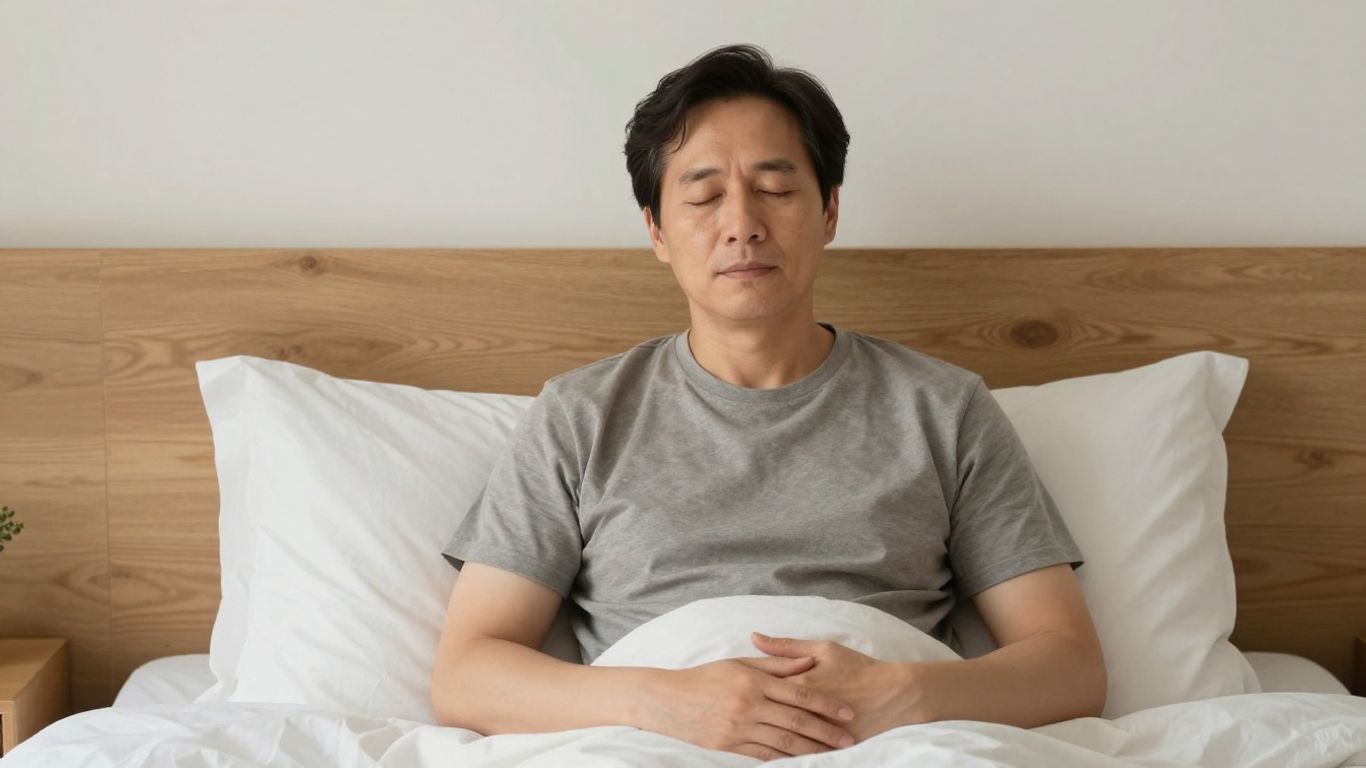
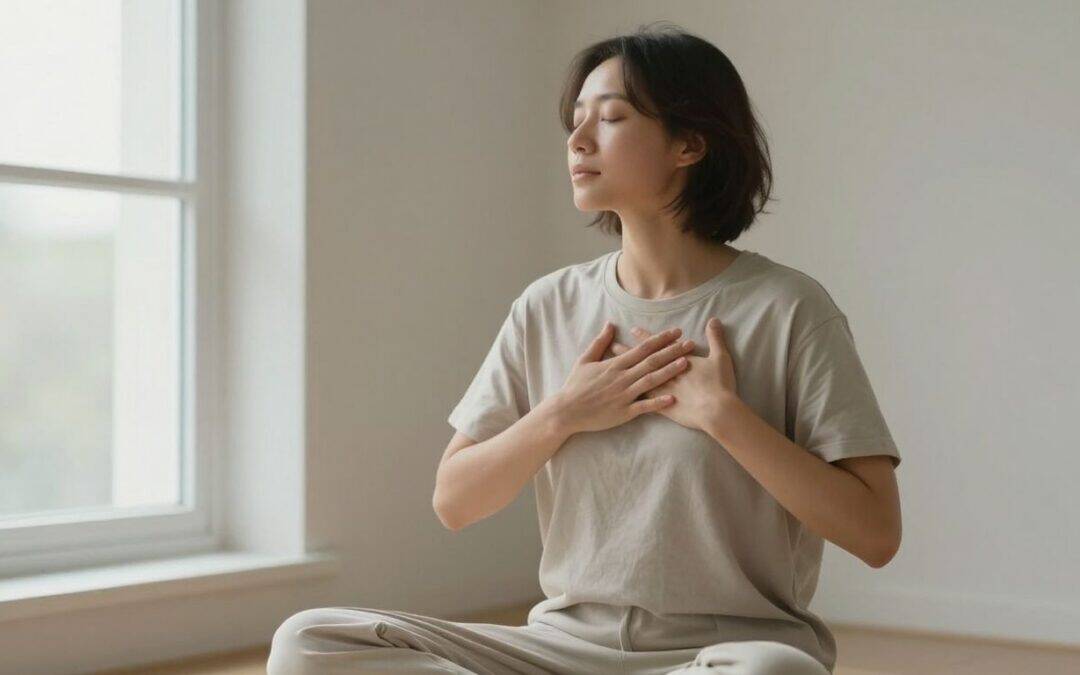
Sit or lie in a supported position and let your shoulders rest. Exhale gently, inhale through the nose for four counts, hold for seven, then exhale slowly for eight; repeat without straining. If counting in seconds feels too slow or difficult, keep the proportions while using a shorter, comfortable rhythm.
The exercise can be practiced in a quiet room, before a stressful event, or as part of a bedtime routine. A calm setting is useful for learning, but later practice in ordinary circumstances can show whether the method is practical when you actually need it.
How many cycles to try and how often
Start with a small number of cycles rather than treating endurance as a measure of success. Four cycles is a common starting point, but fewer may be appropriate if the hold feels uncomfortable. Regular, brief practice is easier to evaluate than occasional sessions performed only during intense distress.
For a simple trial, keep these variables steady:
Practice at roughly the same time on most days.
Use a consistent seated or lying position.
Keep the counts comfortable instead of forcing the full duration.
Record how you felt before and after the session.
That approach makes the exercise safer and the observations more useful. If the practice consistently worsens dizziness, breathlessness, or anxiety, changing the count is more sensible than pushing through.
When to practice for stress or sleep
For stress, try the exercise before the situation becomes overwhelming, when attention is still available for counting. For sleep, practice after the usual wind-down begins rather than using it as a last-minute battle against wakefulness. The breathing may become one quiet part of a larger routine that includes dimmer light, fewer notifications, and a regular schedule.
It is also reasonable to test it during a neutral part of the day. That gives you a baseline for how the pattern feels without the added pressure of trying to fall asleep or immediately calm a strong emotion.
What to track beyond how relaxed you feel
A brief record can include the number of cycles, ease of following the count, dizziness or discomfort, perceived stress before and after, and sleep-onset impressions. If you monitor heart rate or blood pressure, measure under consistent conditions and avoid treating a single reading as meaningful. The goal is to notice patterns, not manufacture a positive result.
You might also track whether the practice changes what you do next: pause before responding, return to a task, or go back to bed more easily. Those functional outcomes may matter more in daily life than a fleeting sense of relaxation.
Limitations and safety considerations
4-7-8 breathing is not risk-free for everyone, even though it is gentle for many people. Breath-holding and deliberately deep breathing can feel intense, particularly when someone is anxious or unfamiliar with paced respiration. Safety depends on the person, the setting, and whether the technique is adapted instead of forced.
Why the technique may feel uncomfortable at first
The unfamiliar rhythm can create air hunger, throat tension, tingling, light-headedness, or a sense that the breath is too slow. Some of these sensations arise when a person overbreathes before the hold or tries to take unusually large breaths. They can also increase anxiety, which then makes the next cycle harder.
Comfort is a useful boundary. A technique intended to settle the nervous system should not require repeated distress to “work.” Rest normally, return to an ordinary breathing pattern, and consider a shorter count if the sensations persist.
When breath-holding or deep breathing may be inappropriate
People with respiratory or cardiovascular conditions, a history of fainting, panic triggered by breath sensations, or other relevant health concerns may need individualized guidance before trying breath-holding. Pregnancy, recent illness, and medication changes can also affect what feels appropriate. The absence of a warning on a social-media post is not evidence that a method suits everyone.
Do not practice while driving, in water, on a ladder, or anywhere a brief loss of balance could cause harm. Medical advice is especially appropriate when breathing symptoms are new, severe, or unexplained.
Adjustments for beginners who cannot follow the count
The exact numbers are not sacred. Try inhaling for three, holding briefly for three or four, and exhaling for five or six. Another option is to omit the hold at first and focus on a soft exhale that is slightly longer than the inhale. The exercise should remain quiet and controlled.
Once the pattern feels natural, the counts can be extended gradually if desired. There is no need to reach the full 4-7-8 timing for the practice to be useful as a calming pause.
When symptoms warrant stopping or seeking medical advice
Stop if you develop significant dizziness, chest pain, faintness, worsening shortness of breath, confusion, or severe panic. Return to normal breathing and sit or lie down safely. If symptoms do not settle promptly, recur, or occur outside the exercise, seek medical care rather than assuming the technique caused or solved them.
Urgent symptoms should be treated as urgent regardless of the breathing exercise. A relaxation practice should never delay evaluation of a potentially serious condition.
How convincing is the evidence overall?
The evidence supports a restrained conclusion. 4-7-8 breathing is a plausible, accessible way to slow respiration, focus attention, and possibly reduce short-term arousal. Direct studies suggest some immediate physiological changes, but the research is not large or consistent enough to support sweeping promises. Its value may be real without being extraordinary.
What appears reasonably supported
It is reasonable to expect that a comfortable, structured breathing exercise can provide a pause during stress. Some people may notice slower breathing, a lower sense of activation, or an easier transition into rest. Immediate changes in heart-rate patterns are also biologically plausible when breathing becomes deliberately paced.
Those modest claims fit both the mechanism and the current evidence. They do not require presenting the technique as a treatment or assuming every person will respond in the same way.
What remains preliminary or overstated
Claims that 4-7-8 breathing detoxifies the body, cures insomnia, permanently lowers blood pressure, or replaces mental-health treatment go beyond what small, short-term studies can establish. Even a statistically meaningful result may have limited practical importance if the sample is small or the effect lasts only during the exercise.
The strongest language should therefore be reserved for findings that have been replicated in larger, well-controlled studies. At present, the method is better viewed as a promising self-regulation tool than a proven medical intervention.
Who may benefit most from trying it
It may suit people who like clear instructions, brief routines, and practices they can do without equipment. Someone who finds counting soothing may gain more from it than someone who becomes preoccupied with holding the breath. Personal fit, comfort, and consistency are likely to matter as much as the label of the technique.
A low-risk trial can answer a practical question: does this particular rhythm help you pause, settle, or prepare for sleep without causing discomfort? That is a more useful test than trying to confirm a universal promise.
How to view 4-7-8 breathing alongside established care
Use the exercise as an adjunct, not a substitute for assessment or treatment when those are needed. Persistent insomnia, panic, uncontrolled blood pressure, depression, breathing problems, or recurrent physical symptoms deserve appropriate professional attention. Breathing practice may complement care by offering a moment of regulation between appointments or during ordinary stress.
A broader guide to mindful breathing can help place the exercise in that supportive role. The sensible conclusion is neither hype nor dismissal: 4-7-8 breathing may help some people feel calmer in the moment, while the larger clinical claims still require better evidence.
Conclusion
4-7-8 breathing has a plausible explanation, a simple structure, and some encouraging early findings, but the direct evidence remains limited. Try it gently, observe practical outcomes over time, and keep its role in proportion: a potentially useful calming habit, not a replacement for established care.
Frequently Asked Questions
Is 4-7-8 breathing scientifically proven?
It has some preliminary direct research and a plausible physiological basis, but it is not proven as a universal treatment for anxiety, insomnia, or cardiovascular disease.
What does the 4-7-8 pattern mean?
It usually means inhaling for four counts, holding for seven, and exhaling for eight. The counts can be shortened for comfort while learning.
Can 4-7-8 breathing help with sleep?
It may help some people settle by providing a quiet, repetitive bedtime focus. Direct evidence that it reliably treats insomnia is still limited.
Can breathing exercises lower blood pressure?
Slow breathing may produce short-term changes in blood pressure for some people, but it should not replace prescribed treatment or medical monitoring.
Why do I feel dizzy during the exercise?
Dizziness can occur when breathing is too deep or fast, when the hold is uncomfortable, or when carbon dioxide levels shift. Stop, breathe normally, and use gentler counts if you try again.
How many cycles should a beginner do?
A few comfortable cycles are enough to start. There is no need to force four full cycles or extend the practice if symptoms appear.
Who should ask a clinician before trying it?
Anyone with significant heart or lung disease, fainting, severe panic triggered by breath sensations, pregnancy-related concerns, or unexplained breathing symptoms should seek individualized guidance.
Breathing is automatic, but its rhythm continually informs the nervous system and affects the body conditions in which the brain operates.
Breathing signals travel between the lungs, brainstem, and wider nervous system.
Carbon dioxide changes can influence cerebral blood flow and neural function.
Nasal and rhythmic breathing may shape attention, memory, and emotional state.
Slow breathing often supports calm, while rapid breathing can increase arousal.
Breathing techniques are useful tools, but they are not universal treatments.
How breathing affects the brain through neural pathways
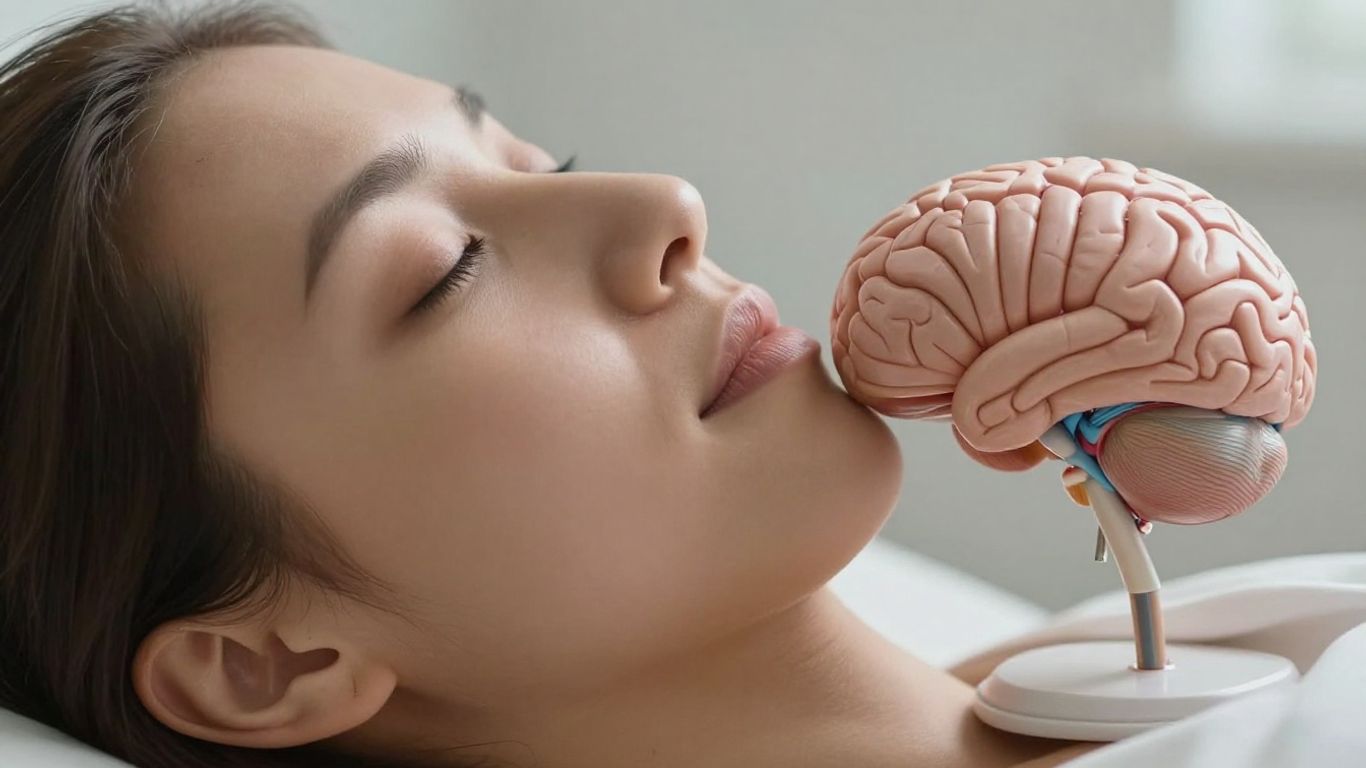
Breathing is more than an exchange of oxygen and carbon dioxide. Each inhale and exhale creates sensory information that moves through the brainstem and autonomic nervous system. This helps explain how breathing affects the brain even when a person is not consciously paying attention to it.
A useful overview of this relationship can be found in research on the central nervous system, where respiratory rhythm is discussed as both a direct and indirect influence on brain activity.
The respiratory signal between the lungs and brainstem
The brainstem contains networks that generate and adjust the basic respiratory rhythm. Signals from the lungs and airways report changes in stretch, airflow, and chemical conditions, allowing the brainstem to modify breathing as activity, posture, or metabolic demand changes. The result is a continuous feedback loop rather than a one-way command from the brain to the lungs.
Because breathing is rhythmic, this feedback arrives in an organized pattern. That timing can influence nearby neural circuits involved in alertness, cardiovascular control, and arousal. The effect is subtle during ordinary rest, but it becomes more noticeable when breathing changes sharply during exercise, fear, or deliberate breathwork.
The role of the vagus nerve and autonomic nervous system
The vagus nerve carries information between organs and the brain and participates in parasympathetic regulation. Breathing does not simply switch the nervous system from “stress” to “calm,” yet changes in respiratory pace and depth can alter the balance of autonomic activity. Heart rate typically varies across the breathing cycle, with this variation shaped by both inhalation and exhalation.
Slow, comfortable breathing tends to give the parasympathetic system more room to operate. That does not mean every slow-breathing exercise produces the same response, because posture, attention, health, and expectations also matter. Still, the respiratory cycle provides one accessible route for influencing autonomic state.
How the diaphragm and sensory receptors provide feedback
The diaphragm changes pressure inside the chest as it contracts and relaxes. Its movement, along with signals from muscles and stretch-sensitive receptors in the lungs and chest wall, gives the brain information about the mechanics of each breath. These signals help coordinate breathing with movement, speech, circulation, and emotional responses.
The diaphragm therefore has effects beyond its local role in ventilation. A fuller, unforced breath changes body sensations and may make a person more aware of tension or ease. That perception can feed back into attention, especially when breathing is used as the focus of a mindfulness exercise.
Why breathing can influence brain rhythms
Neural activity is organized into rhythms, and breathing introduces a slow, repeating physiological rhythm of its own. Research suggests that respiration can synchronize activity in some brain regions and influence the timing of sensory processing. This does not mean breathing controls the brain like a metronome; it means respiration can provide timing information that neural networks may use.
The influence is especially plausible in regions connected with emotion, memory, and attention. Conscious breathing also adds a mental component: when someone observes the breath, sensory signals and deliberate attention arrive together. That combination may be one reason breath awareness feels mentally organizing for some people.
How breathing changes brain chemistry and blood flow
Breathing affects the brain partly by changing the gases dissolved in the blood. Carbon dioxide is especially important because it influences blood vessel diameter and helps regulate the acidity of body fluids. Oxygen matters too, but ordinary changes in breathing often alter carbon dioxide more quickly than they alter oxygen delivery.
These chemical effects are one reason breathing exercises should remain gentle. A technique that feels energizing to one person may cause light-headedness in another, particularly when it involves repeated forceful breaths or prolonged breath holding.
Carbon dioxide, oxygen, and cerebral blood flow
Carbon dioxide acts as a strong regulator of cerebral blood flow. When carbon dioxide rises, blood vessels in the brain generally widen, increasing blood flow; when it falls, those vessels can narrow. Oxygen availability is essential, but the relationship between breathing, oxygen, and brain perfusion is not as simple as “more breaths means more oxygen to the brain.”
At rest, the body usually maintains oxygen levels within a useful range without conscious effort. The brain is highly sensitive to departures from that balance, which is why substantial changes in breathing can produce sensations such as pressure, tingling, or dizziness.
Why overbreathing can alter neural function
Overbreathing means breathing more than the body’s current metabolic needs require. This can lower carbon dioxide in the blood, constrict cerebral blood vessels, and change the chemical environment around nerve cells. Feelings of light-headedness, tingling, or unreality may follow, and those sensations can be mistaken for evidence that the brain is receiving extra oxygen.
The experience is not necessarily dangerous in a healthy person when brief and mild, but it can become distressing. Carbon dioxide regulation matters as much as oxygen intake when evaluating how a breathing pattern affects the brain.
The relationship between breathing and blood pH
Carbon dioxide participates in a chemical system that helps control blood pH. When breathing becomes faster or deeper, carbon dioxide can be removed more quickly, shifting the blood toward a more alkaline state. When ventilation slows or breath holding continues, carbon dioxide can accumulate and push pH in the opposite direction.
The body compensates for these changes, but compensation takes time. This is why deliberate breathing can create strong sensations even when oxygen saturation appears normal. The sensation reflects a combination of blood chemistry, vessel behavior, sensory feedback, and attention.
What changes during slow, deep, or rapid breathing
Different patterns produce different physiological conditions, although the response depends on how forcefully and for how long a person breathes. The broad tendencies can be summarized without treating them as guarantees.
Breathing pattern
Common physiological shift
Possible brain-related experience
Slow and comfortable
Greater respiratory timing and calmer autonomic activity
Steadier attention or relaxation
Deep but unforced
Larger tidal volume without excessive speed
Awareness of body sensations and ease
Rapid and forceful
Lower carbon dioxide and increased arousal
Tingling, dizziness, or alertness
Brief breath holding
Rising carbon dioxide and respiratory drive
Discomfort and heightened bodily awareness
The table describes typical tendencies, not fixed outcomes. Breathing in a controlled setting may feel very different from the same pattern during panic, strenuous exercise, or illness.
How breathing patterns influence attention and memory
Breathing and cognition interact in both directions. Mental effort can change breathing, while respiratory timing can alter the conditions in which attention and memory operate. The effects are usually modest and context-dependent rather than dramatic improvements in intelligence or memory capacity.
Researchers study this relationship through reaction-time tasks, memory tests, brain recordings, and observations of whether breaths coincide with particular phases of neural activity. These methods offer useful clues, but they do not make every breathing practice a proven cognitive enhancer.
Breathing-linked activity in the hippocampus
The hippocampus helps organize aspects of memory and spatial processing. Some research indicates that respiratory cycles can coincide with changes in hippocampal activity, particularly when breathing is noticeable or deliberately controlled. The timing of inhalation and exhalation may therefore influence when certain information is more readily processed.
This effect should be understood as a rhythmic influence, not a direct command. A breath may create a favorable moment for processing, but memory still depends on sleep, repetition, emotion, attention, and the quality of the material being learned.
Why nasal breathing may support memory processing
Nasal breathing creates airflow and sensory stimulation in the nasal passages that mouth breathing does not provide in the same way. That sensory input may help coordinate respiratory timing with activity in brain networks involved in attention and memory. It may also make the breath easier to feel, giving attention a stable physical anchor.
Nasal breathing is not always possible or comfortable. Congestion, structural issues, respiratory disease, and exercise intensity can change what is practical. The potential cognitive relevance of nasal breathing is therefore an area of study, not a reason to force it.
Effects on attention, reaction time, and mental clarity
A steady breathing rhythm can reduce some of the mental noise associated with stress or hurried breathing. If arousal is too high, slowing the breath may help a person return to a useful level of alertness. If someone is already sleepy, however, further relaxation may reduce rather than improve performance.
Attention is also shaped by where the mind goes. Counting breaths or noticing the sensation of airflow can interrupt rumination, but the benefit depends on practice and task demands. A short breathing pause may help before a difficult task, while prolonged breath manipulation can become distracting.
What the research says about cognitive performance
Studies generally suggest that breathing can influence aspects of attention, response speed, and memory, but findings vary across methods and participants. Effects may depend on breathing rate, whether the breath is nasal, the emotional context, and whether the task requires vigilance or calm concentration.
A sensible interpretation is that breathing is one regulator of cognitive state among many. It may help create conditions for good performance, but it cannot replace adequate sleep, medical care, learning strategies, or an appropriate environment.
How breathing regulates stress and emotional responses
Stress changes breathing quickly, often making it faster, shallower, or less regular. That pattern then feeds back into body sensations, which can reinforce the impression that something is wrong. Understanding this loop helps explain why breathing can influence emotional experience without being the sole cause of it.
The aim of a calming technique is not to suppress every physical sign of emotion. It is to give the nervous system a steadier signal while the person assesses the situation and chooses a response.
The connection between breathing and the amygdala
The amygdala helps evaluate emotionally significant information and coordinate responses to threat. Breathing-related signals reach brain networks involved in emotion, and the timing of respiration may affect how those networks respond to internal and external cues. This connection helps explain why a sudden gasp or held breath can accompany fear.
The relationship runs both ways. Anxious thoughts can change breathing, and unusual breathing sensations can be interpreted as anxiety or danger. Gentle regulation may soften that feedback loop, but it cannot resolve every source of fear or emotional distress.
Slow breathing and parasympathetic activation
Slow breathing, particularly when it remains comfortable and unforced, is often associated with increased parasympathetic influence and greater heart-rate variability across the respiratory cycle. These changes can accompany lower physiological arousal. The effect is usually more reliable when the person is seated safely, paying attention, and not straining to achieve a specific rate.
A longer, relaxed exhalation is commonly experienced as settling, though the ideal rhythm differs between people. If counting or extending the breath creates tension, returning to natural breathing is a better choice than pushing through discomfort.
Why rapid breathing can reinforce anxiety symptoms
Rapid breathing can lower carbon dioxide and create sensations such as dizziness, chest tightness, tingling, and air hunger. Those sensations may resemble danger, especially for someone already worried about their health or safety. The resulting fear can speed breathing further, creating a self-reinforcing cycle.
Recognizing the cycle can make it less mysterious, but it should not be used to dismiss serious symptoms. New or severe shortness of breath, chest pain, fainting, or confusion requires appropriate medical evaluation rather than a breathing exercise.
Breathing patterns and emotional regulation
Breathing can serve as an early indicator of emotional change. Noticing a clenched chest or shortened exhale may reveal rising stress before the feeling becomes overwhelming. From there, a person can soften the shoulders, reduce effort, and allow the breath to become quieter.
The most useful practice is often the least dramatic one. A stable rhythm, gentle nasal or mouth breathing as comfortable, and attention to the exhale may support regulation without producing intense sensations.
What different breathing patterns do to brain activity
There is no single “brain response” to breathing. Slow rhythmic breathing, rapid breathing, breath holding, and irregular breathing create different combinations of chemical, mechanical, and attentional signals. The same pattern can also have different effects depending on whether a person is resting, exercising, frightened, or asleep.
Rather than labeling a pattern as universally good or bad, it is more accurate to ask what it changes and whether that change fits the current goal.
Slow rhythmic breathing and calm alertness
Slow rhythmic breathing may reduce unnecessary physiological noise while preserving enough alertness for ordinary tasks. The regular timing gives attention something predictable to follow, and the slower pace may support parasympathetic activity. Some people experience this as calm alertness rather than drowsiness.
The rhythm should remain easy. If the breath becomes large, strained, or noisy, the practice may be producing arousal instead of reducing it. Comfort is a useful guide.
Fast breathing and heightened arousal
Fast breathing is appropriate during exercise because metabolism and ventilation rise together. Outside that context, rapid breathing may increase bodily arousal and reduce carbon dioxide. The resulting sensations can sharpen vigilance, but they can also impair clear thinking when they become intense.
This is why fast breathing practices should not be judged only by an immediate feeling of energy. A temporary rise in activation may be useful before movement, yet counterproductive before sleep or during a panic response.
Breath holding and changes in carbon dioxide
During breath holding, carbon dioxide gradually rises and the urge to breathe becomes stronger. Oxygen also changes over time, with the rate depending on starting conditions and duration. The discomfort is a protective signal, not a challenge that should routinely be overridden.
Long or repeated breath holds can be risky, particularly in water or for people with cardiovascular, pulmonary, neurological, or other health conditions. A calm feeling during a hold does not guarantee that the underlying physiology is safe.
Irregular breathing during stress, sleep, and exercise
Stress often produces an uneven pattern, with sighs, pauses, and sudden deeper breaths. Sleep brings its own changes in rate and depth, while exercise creates a purposeful increase in ventilation. These variations are not automatically signs of disease.
Context matters, but persistent irregularity, loud snoring with pauses, waking gasping, or breathlessness out of proportion to activity deserves attention. Observing a pattern can be useful, though diagnosis requires more than watching the breath for a few minutes.
How to use breathing techniques for specific brain-related goals
Breathing techniques work best when they match the state a person wants to change. A short, gentle practice may help settle stress, while a simple breath anchor may support attention. The goal is not to force the brain into a special state, but to provide a manageable physiological cue.
Before practicing, sit or stand somewhere safe and notice the natural breath. If discomfort grows, stop manipulating it and return to ordinary breathing.
Breathing for relaxation and stress recovery
For relaxation, try breathing quietly at a slightly slower pace than usual, allowing the exhale to be soft and unhurried. Keep the shoulders and jaw loose rather than trying to fill the lungs completely. A few minutes may be enough to notice a change in tension.
A simple sequence can make the practice easier to remember:
Notice the natural breath for several cycles.
Let the inhale remain comfortable and unforced.
Allow the exhale to lengthen slightly without straining.
Pause the exercise if dizziness, panic, or pain appears.
The value lies in repetition and ease, not in reaching a perfect count. Practicing when calm can make the technique more familiar when stress arrives.
Breathing for focus and sustained attention
For focus, use the breath as a quiet anchor rather than trying to breathe as deeply as possible. Count a few cycles, notice the sensation at the nostrils or abdomen, and return attention whenever it wanders. This trains the act of redirecting attention, which may be more useful than maintaining perfect concentration.
Some people prefer a natural pace; others find a steady rhythm helpful. The best option is the one that supports alertness without making the task feel ceremonial or distracting.
Breathing before sleep and nighttime calming
Before sleep, breathing can become part of a predictable wind-down routine. A slower rhythm, relaxed exhale, and reduced effort may help signal that activity is ending. It is better to avoid demanding breath holds or intense breathing exercises close to bedtime.
If worry returns, the exercise can be paired with a simple phrase or body scan. Breathing is not a substitute for addressing persistent insomnia, but it can help reduce the physical momentum that keeps some people awake.
Choosing gentle techniques for beginners
Beginners usually benefit from practices that are easy to stop and do not create strong sensations. Comfortable breathing, brief sessions, and a stable seated posture reduce the chance of turning the exercise into a test of endurance.
Avoid chasing tingling, dizziness, or an altered state. Those sensations often reflect changes in carbon dioxide or arousal rather than evidence of a deeper benefit.
What the neuroscience does and does not prove
Neuroscience offers a clearer picture of mechanisms than of universal outcomes. It can measure changes in breathing, blood gases, heart rhythms, brain activity, and performance, but those measurements do not automatically prove that a technique treats a condition. The strongest conclusions are usually modest and tied to a specific task or population.
Breathing is powerful because it sits at the intersection of body and brain, not because it is a cure-all. Good interpretation keeps both possibilities and limits in view.
Separating measured brain effects from popular claims
A study may show that breathing changes regional activity, blood flow, or performance on one test. That finding is different from proving that a practice permanently improves memory, prevents disease, or transforms personality. Popular explanations often turn a narrow result into a much broader promise.
Look for details such as the breathing protocol, comparison group, sample size, and duration. A measured short-term shift can be meaningful without being a guaranteed long-term outcome.
Individual differences in breathing responses
People differ in respiratory fitness, anxiety sensitivity, health status, sleep quality, and familiarity with breathwork. The same breathing rate may feel soothing to one person and uncomfortable to another. Even within one person, the response can change with posture, medication, exercise, and current emotion.
This variability is a reason to use comfort and function as guides. A technique that consistently increases distress is not the right technique simply because it worked in a study or for someone else.
Safety considerations for breathwork and breath holding
Gentle breathing awareness is generally easier to tolerate than forceful hyperventilation or prolonged breath holding. More intense practices can cause dizziness, fainting, panic-like sensations, or dangerous loss of awareness, especially when performed in water, while driving, or standing. People with relevant medical conditions should seek professional guidance before experimenting.
Never use breath holding as a contest. Stop when discomfort becomes significant, and do not practice intense techniques alone in situations where losing consciousness could cause injury.
When breathing changes may require medical advice
A new or persistent change in breathing deserves attention when it occurs without a clear explanation or interferes with daily life. Seek urgent care for severe breathing difficulty, blue lips, confusion, fainting, or chest pain. Recurrent nighttime gasping, unexplained breathlessness, and exercise intolerance also warrant a clinical assessment.
Breathing exercises can complement care, but they should not delay evaluation of symptoms that might reflect a heart, lung, neurological, or metabolic problem.
Conclusion
Breathing continuously links body chemistry, sensory feedback, autonomic regulation, and brain activity. Slow, comfortable patterns may support calm attention and emotional recovery, while rapid or constrained patterns can increase arousal and uncomfortable sensations. The most useful approach is curious and measured: use gentle breathing as a practical tool, recognize individual limits, and seek medical advice when changes are persistent or severe.
Frequently Asked Questions
How does breathing affect the brain?
Breathing affects the brain through sensory signals, autonomic pathways, changes in carbon dioxide and blood pH, and shifts in cerebral blood flow. Its rhythm may also influence activity related to attention, memory, and emotion.
Can slow breathing reduce stress?
Slow, comfortable breathing may reduce physiological arousal and support parasympathetic activity. It is not guaranteed to relieve every form of stress, but it can help some people interrupt a cycle of rapid breathing and increasing tension.
Why can rapid breathing cause dizziness?
Rapid or forceful breathing can remove carbon dioxide faster than the body produces it. The resulting change in blood chemistry and cerebral blood vessel diameter may cause dizziness, tingling, or a sense of unreality.
Does nasal breathing improve memory?
Nasal breathing provides airflow-related sensory input that may coordinate with brain networks involved in attention and memory. Evidence is still developing, and nasal breathing is not practical or comfortable for everyone in every situation.
Is breath holding good for the brain?
Breath holding causes carbon dioxide to rise and eventually increases the urge to breathe. It is not automatically beneficial, and prolonged or repeated holds can be unsafe, particularly in water or for people with medical conditions.
Can breathing exercises improve concentration?
Breathing exercises may support concentration by reducing excessive arousal or giving attention a stable anchor. Their effects are usually modest and work best alongside sleep, practice, and a suitable environment.
When should breathing problems be checked by a doctor?
Persistent or unexplained breathlessness, nighttime gasping, chest pain, fainting, confusion, blue lips, or reduced exercise tolerance should be medically assessed. Breathing exercises should never replace urgent care for severe symptoms.
Cyclic sighing is a brief breathing pattern built around two inhales and one long exhale. Research suggests it may ease short-term stress, although it is not a substitute for medical or mental health care.
Cyclic sighing uses a second, smaller inhale followed by a slow, extended exhale.
A Stanford study found that five minutes of daily practice improved mood and reduced physiological arousal in participants.
The technique may feel different from box breathing, resonance breathing, or mindfulness meditation.
Comfortable, unforced breathing matters more than taking the biggest possible breath.
Dizziness, pain, or worsening distress is a reason to stop and return to normal breathing.
What cyclic sighing is and why it may relieve stress
Cyclic sighing is a controlled breathing exercise that pairs a double inhale with a longer exhale. The pattern is simple enough to practice without equipment, yet distinctive enough to change the rhythm of breathing for several minutes. Its appeal is partly practical: the breath is automatic most of the time, but it can also be adjusted voluntarily. The growing interest in cyclic sighing research comes from this unusual meeting point between conscious attention and the body’s stress response.
The double-inhale and extended-exhale pattern
Begin with a comfortable inhale through the nose. Before exhaling, add a second, smaller inhale, then release the breath slowly through the mouth. The second inhale need not be large; it is meant to complete the breath rather than fill the lungs forcefully. Repeating this cycle creates the characteristic rhythm of cyclic sighing.
The long exhale is the part that gives the exercise its relaxed, unhurried quality. Some people make the exhale slightly audible, while others prefer a quiet version. Both approaches can work as long as the breath remains comfortable and the throat, jaw, and shoulders stay relatively loose.
How cyclic sighing differs from ordinary deep breathing
Ordinary deep breathing often means taking a larger breath in and letting it out once. Cyclic sighing adds a second inhale before the exhale, so it is not simply a matter of breathing more deeply. The pattern also places clear emphasis on extending the out-breath rather than trying to maximize the amount of air entering.
That distinction matters because taking repeated oversized breaths can leave some people light-headed or tense. Cyclic sighing is better understood as a coordinated rhythm than as a test of lung capacity. Gentle repetition matters more than dramatic breaths.
The role of the lungs, diaphragm, and nervous system
The first inhale expands the lungs, while the smaller second inhale may help open areas that were not fully inflated. The diaphragm moves downward during inhalation and rises as air leaves, giving the breathing cycle a physical structure that can be felt in the abdomen and lower ribs. None of this requires forcing the chest outward or holding the body rigid.
Because breathing is connected to automatic processes such as heart rate and arousal, changing its pace can influence how the body feels. That does not mean one breathing pattern controls every part of the nervous system. It means the breath provides a relatively direct way to introduce a slower, more deliberate signal during a stressful moment.
Why a longer exhale may promote calm
A prolonged exhale can make the whole cycle feel slower and may encourage a shift away from hurried breathing. For many people, that change is calming in itself: attention moves from racing thoughts to a concrete physical action. The effect can also be helped by reducing muscular effort and allowing the next inhale to arrive naturally.
The response is not identical for everyone. Someone who is already breathing rapidly may find a slow exhale grounding, while someone who feels air hunger may need a gentler version. The useful target is steadiness, not the longest possible exhale.
What Stanford’s cyclic sighing research found
A randomized study associated with Stanford compared several brief approaches to managing stress, including cyclic sighing, box breathing, and mindfulness meditation. Participants practiced at home for a short period each day, allowing researchers to examine both how the exercises felt and how breathing changed over time. The results drew attention because the breathing groups showed measurable improvements without requiring a long session.
The Stanford breathing study is best read as evidence about a specific protocol and study group, not as a universal ranking of every breathing exercise. Its findings are useful, but the wording around them needs care.
The design of the randomized breathing study
The study assigned healthy adult participants to different daily practices, including cyclic sighing, box breathing, and mindfulness meditation. The breathing exercises were practiced for about five minutes a day over a month, with participants reporting their mood and anxiety and completing physiological measurements. A comparison group continued with ordinary daily activities rather than receiving the same structured breathing instruction.
This design allowed the researchers to compare changes between groups instead of observing only whether people felt better after trying an exercise once. It still was not a clinical trial of a treatment for an anxiety disorder. The participants and the duration of follow-up place useful boundaries around what the results can say.
How cyclic sighing compared with box breathing and mindfulness
All three active practices gave participants a structured way to direct attention, but they used different instructions. Cyclic sighing emphasized repeated long exhalations. Box breathing used a more even pattern involving inhaling, holding, exhaling, and holding again, while mindfulness meditation focused on attending to experience without relying on a prescribed breathing rhythm.
The study reported that cyclic sighing produced the strongest improvements among the tested practices for the measured outcomes. That does not make it the right choice for every person. A technique that feels natural enough to repeat is often more useful than one that appears superior on paper but is uncomfortable in practice.
Changes in mood, anxiety, and physiological arousal
After the practice period, participants in the cyclic sighing group reported better mood and less anxiety, alongside a reduction in resting breathing rate. A slower resting rate was treated as one sign of reduced physiological arousal, not as a complete measure of mental health. The changes were encouraging because they appeared after a relatively brief daily routine.
The cyclic sighing explanation describes the same broad idea in accessible terms: longer exhalations may help interrupt an escalating stress response. Still, a self-reported improvement is not the same as a diagnosis changing, and a lower breathing rate alone does not prove that every stress system has settled.
What “most effective” means in the context of the research
In this context, “most effective” means that cyclic sighing showed the largest average changes among the practices tested for the study’s selected measures. It does not mean that it is the best breathing exercise for every body, every condition, or every kind of distress. Nor does it establish that five minutes will reliably produce the same response outside the study.
A fair interpretation is narrower and more useful: cyclic sighing is a promising, low-cost practice for short-term stress regulation, and it deserves further study. Readers can try it cautiously while keeping the evidence in proportion.
How to practice cyclic sighing correctly
Cyclic sighing does not require a special posture, app, or setting. Sit or lie in a position that allows the ribs and abdomen to move, and begin with a few ordinary breaths before changing the rhythm. The aim is to create a repeatable pattern that feels calming rather than performative. If the exercise makes breathing feel strained, reduce the size of the inhales or stop.
The step-by-step breathing sequence
Use the following sequence as a practical starting point:
Inhale comfortably through the nose.
Add a second, smaller inhale before beginning the exhale.
Exhale slowly and fully through the mouth without squeezing the air out.
Repeat the pattern at an easy pace.
The second inhale may be little more than a gentle top-up. Let the next cycle begin naturally rather than rushing to fill the lungs again. With practice, the rhythm should feel smooth enough that attention can rest on the exhale instead of counting every detail.
Recommended duration and daily frequency
The Stanford protocol that brought cyclic sighing widespread attention used roughly five minutes of daily practice. That duration is a reasonable starting point, especially for someone new to deliberate breathing. A shorter session can still be useful if five minutes feels tiring or distracting.
Consistency is more informative than a single intense attempt. Try practicing at a quiet time for several days, then notice whether the technique feels easier and whether it changes how quickly you recover from ordinary stress. There is no need to keep extending the session once it stops feeling restorative.
How to breathe comfortably without forcing the inhale
Comfort depends on keeping the first inhale moderate and the second one smaller. The shoulders should not lift sharply, and the abdomen should not be pushed outward with effort. A relaxed mouth, jaw, and upper chest can make the exhale easier to lengthen.
If the breath becomes choppy, return briefly to normal breathing. The goal is not to create a powerful sensation in the lungs. It is to practice a calm, controlled sequence that the body can tolerate without strain.
When to use the technique during a stressful day
Cyclic sighing can fit before a difficult conversation, after an upsetting message, or during a transition between tasks. It may also be useful as a short reset before sleep, provided the practice does not make you more alert. The guided cyclic sighing practice offers one example of using a short routine to establish the pattern.
Choose a safe place where you can sit down and pay attention to your breathing. If stress is accompanied by severe chest pain, faintness, or difficulty breathing, treat that as a medical concern rather than a cue to continue exercising.
How cyclic sighing compares with other breathing techniques
Breathing exercises can look similar while asking the body and mind to do different things. Cyclic sighing emphasizes an extended exhale, whereas other methods may emphasize equal timing, a particular breathing rate, or open observation of thoughts. Comparing the instructions helps prevent the common mistake of blending several methods into an uncomfortable hybrid.
The cyclic breathing video is another practical introduction, but no demonstration can account for every respiratory condition or personal response. Use comparisons as a way to choose gently, not as a reason to push harder.
Cyclic sighing versus box breathing
Box breathing usually divides the cycle into four similarly timed phases: inhale, hold, exhale, and hold. Cyclic sighing has no required post-exhale hold and uses two inhalations before one longer exhalation. The difference is especially noticeable for people who find breath-holding effortful or distracting.
Box breathing may appeal to someone who likes a clear, symmetrical count. Cyclic sighing may feel more natural to someone seeking a softer transition into a slower state. Neither label guarantees a particular result, and comfort should guide the choice.
Cyclic sighing versus coherent or resonance breathing
Coherent or resonance breathing generally aims for a steady breathing rate that may be chosen to support smooth cardiovascular rhythms. It usually does not include the distinctive second inhale of cyclic sighing. The emphasis is often on regularity across the entire cycle rather than making the exhale notably longer.
Someone who enjoys a steady metronome-like pace may prefer resonance breathing. Someone who wants a simple physical cue for releasing tension may prefer the double inhale and long exhale. Both approaches can be practiced gently, without treating the breath as something to control with maximum precision.
Cyclic sighing versus mindfulness meditation
Mindfulness meditation may use the breath as an anchor, but it does not necessarily ask the practitioner to change the breathing pattern. The central skill is noticing sensations, thoughts, and feelings without immediately reacting to them. Cyclic sighing is more active: it gives the breath a specific sequence to follow.
That makes cyclic sighing appealing during a sharp wave of physical stress, while mindfulness may be useful for developing a broader relationship with recurring thoughts and emotions. They can also be practiced at different times rather than combined in a single session.
Choosing a technique based on your stress response and goals
A useful choice begins with the problem you are trying to address. If you feel hurried and physically activated, a longer exhale may be a sensible experiment. If counting helps you stay focused, a timed pattern may suit you better; if counting increases tension, simple observation may be preferable.
Goal or experience
Possible starting point
What to watch for
Rapid, shallow breathing
Gentle cyclic sighing
Strain or light-headedness
Preference for precise timing
Box breathing
Discomfort during holds
Desire for an even rhythm
Coherent breathing
Over-focusing on the count
Repetitive or anxious thoughts
Mindfulness meditation
Frustration with wandering attention
The table is not a prescription or a ranking. It is a reminder that the same technique can feel different depending on the person’s stress response, expectations, and physical health. Start with the least demanding version and adjust from there.
What the research can and cannot prove
The Stanford findings offer a useful signal, but they do not settle every question about cyclic sighing. A short breathing routine can influence how someone feels in the moment without treating the underlying cause of persistent anxiety or depression. The difference between immediate regulation and durable health improvement is central to reading the evidence responsibly.
Short-term stress relief versus lasting mental health benefits
The study measured changes over a relatively short practice period. That supports the possibility of short-term improvements in mood, anxiety, and arousal, but it does not establish long-term protection from stress or mental illness. Longer follow-up would be needed to learn whether benefits persist after people stop practicing or whether regular practice changes broader functioning.
A person may therefore use cyclic sighing as one small coping skill without expecting it to resolve chronic distress. Short-term relief can be worthwhile, but it should not be confused with comprehensive treatment.
Limits of the study sample and breathing measurements
Research findings depend on who participated, how the exercises were taught, and which outcomes were measured. A study of generally healthy adults may not predict what happens for children, older adults, people with lung disease, or people experiencing severe psychiatric symptoms. Self-reported mood is valuable, but it is only one type of evidence.
Breathing rate and related physiological measures also provide partial information. They can suggest a change in arousal without explaining every mechanism behind it. Replication across larger and more varied samples would make the conclusions more dependable.
Why individual responses may vary
Breathing is closely tied to personal history and bodily sensation. One person may experience a long exhale as reassuring, while another may notice air hunger, panic, or discomfort. Expectations, posture, current stress level, sleep, medication, and respiratory health can all shape the experience.
Variation does not automatically mean the technique is ineffective. It means that a responsible practice leaves room to shorten the session, reduce the breath size, or choose a different method when needed.
What additional cyclic sighing research should examine
Future studies could compare different session lengths, practice schedules, and versions of the double-inhale pattern. They could also examine people with diagnosed anxiety, chronic stress, respiratory conditions, or sleep difficulties rather than relying primarily on healthy volunteers. Longer follow-up would help distinguish a temporary state change from a lasting benefit.
Researchers may also learn more by combining subjective reports with breathing, cardiovascular, and behavioral measures. That broader approach could clarify who benefits most and which adaptations are safest.
Common mistakes that can reduce its effectiveness
A breathing exercise can become counterproductive when the instructions are treated as a performance challenge. People sometimes inhale too forcefully, count too rigidly, or continue despite clear discomfort because they assume a stronger sensation means a better result. Cyclic sighing works best as a modest experiment in regulation, not as a contest.
Breathing too deeply or too quickly
Taking very large breaths in rapid succession can create a feeling of light-headedness and may increase anxiety. The first inhale should be comfortable, and the second should be smaller. Slowing the overall pace is usually more helpful than trying to draw in as much air as possible.
If you notice tingling, dizziness, or a sense that you cannot get a satisfying breath, stop the exercise and breathe normally. Resume only if the sensation settles and the practice feels genuinely comfortable.
Holding the breath for too long
Cyclic sighing does not require a long breath hold. Adding a hold because another breathing method uses one can make the exercise feel tight or alarming. Let the exhale begin after the second inhale, and allow the next inhale to arrive without urgency.
A brief natural pause is different from deliberately withholding the breath. Keeping that distinction clear helps preserve the relaxed quality of the exercise.
Treating discomfort as a sign to continue
Discomfort is information, not proof that the technique is working. Chest tightness, worsening panic, pain, or persistent breathlessness should not be pushed through in search of a calming effect. Return to ordinary breathing and assess whether another approach or professional guidance is needed.
A smaller inhale, a shorter session, or breathing without the second inhale may be a reasonable adaptation for mild strain. More serious or unfamiliar symptoms deserve medical attention.
Expecting immediate relief in every situation
Even a well-taught breathing pattern may not erase stress instantly. Some situations involve grief, danger, trauma, illness, or an ongoing conflict that cannot be resolved by changing the breath for five minutes. Cyclic sighing may offer a pause, but it is not required to produce a dramatic emotional shift to be useful.
Try judging the practice by smaller signs: a little more room to think, a slower pace, or a greater ability to choose what to do next. Those modest changes are more realistic than demanding instant calm.
Safety considerations and practical adaptations
For most healthy adults, a gentle breathing practice is low risk, but “gentle” is the important word. Respiratory symptoms, panic sensitivity, pregnancy, cardiovascular concerns, and other health conditions may change what feels appropriate. The technique should complement good judgment rather than override it.
When to stop because of dizziness or discomfort
Stop if you feel dizzy, faint, unusually breathless, nauseated, panicked, or physically unwell. Sit or lie down safely, return to ordinary breathing, and wait for the sensation to pass. Do not resume simply to complete a planned five-minute session.
Urgent symptoms such as severe chest pain, blue lips, sudden confusion, or serious difficulty breathing require urgent medical help. A breathing exercise is not an appropriate response to a potential emergency.
Adapting the practice for respiratory conditions
People with asthma, chronic obstructive pulmonary disease, vocal cord problems, or other respiratory conditions may need individualized instructions. A smaller inhale, no audible exhale, fewer repetitions, or ordinary breathing may be more suitable than the standard pattern. Avoid practicing during an active flare unless a clinician has specifically advised you how to proceed.
The safest adaptation is one that preserves easy breathing. If you are unsure whether the technique fits your condition, ask a qualified clinician rather than relying on a generic demonstration.
Situations where professional medical guidance is appropriate
Professional guidance is especially appropriate when breathlessness is new, worsening, unexplained, or accompanied by chest symptoms. It is also sensible when anxiety, panic, low mood, or insomnia is persistent enough to interfere with daily life. A clinician can help distinguish a stress response from a medical problem.
People taking medication or managing a diagnosed condition should treat breathing exercises as an additional practice to discuss, not as a replacement for individualized advice. The cyclic sighing overview can explain the basic method, but it cannot assess a reader’s health history.
Using cyclic sighing as a complement to, not a replacement for, treatment
Cyclic sighing may be one tool in a larger plan that includes therapy, medication, sleep support, physical activity, or treatment for an underlying condition. It should not be used to delay care or to suggest that ongoing symptoms reflect a failure to breathe correctly. The value of the exercise is practical and limited: it may help some people regulate a moment of stress.
Use it when it feels safe, stop when it does not, and keep expectations proportional to the evidence. That balanced approach leaves room for both self-care and appropriate professional support.
Conclusion
Cyclic sighing is a simple pattern with a double inhale and a longer exhale, and research suggests it can improve short-term mood and reduce physiological arousal for some people. Its strongest case is as a brief, accessible stress-regulation skill—not a cure or a replacement for care. Practice gently, pay attention to your body’s response, and let comfort rather than intensity guide the exercise.
Frequently Asked Questions
What is cyclic sighing?
Cyclic sighing is a breathing exercise in which a person takes one inhale, adds a smaller second inhale, and then exhales slowly and fully. The cycle is repeated at a comfortable pace.
How long should I practice cyclic sighing?
A five-minute session is a practical starting point because that duration was used in research, but shorter sessions are reasonable if the exercise feels tiring or uncomfortable. Consistency matters more than forcing a longer practice.
Is cyclic sighing the same as deep breathing?
No. Ordinary deep breathing may involve one larger inhale and one exhale, while cyclic sighing specifically uses a second smaller inhale followed by an extended exhale.
Can cyclic sighing reduce anxiety?
It may reduce short-term feelings of stress or anxiety for some people. It is not a proven standalone treatment for an anxiety disorder and should not replace professional care when symptoms persist.
What should I do if I feel dizzy while practicing?
Stop the exercise, return to normal breathing, and sit or lie down safely. If dizziness persists, recurs, or occurs with other concerning symptoms, seek medical advice.
Can I practice cyclic sighing with a respiratory condition?
Some people with respiratory conditions may need a modified version or may need to avoid the exercise during a flare. Ask a clinician for individualized guidance, especially if the technique causes breathlessness or chest discomfort.
Is cyclic sighing better than other breathing techniques?
Research found stronger average results for cyclic sighing than for the other practices tested in one study, but that does not make it universally best. The most suitable technique depends on comfort, goals, health, and whether the method is easy to practice consistently.
Controlled research suggests that loving-kindness meditation can influence positive emotion, compassion, and some measures of well-being, but the size and durability of those effects vary.
Loving-kindness meditation deliberately cultivates warmth and goodwill toward oneself and others.
Compassion meditation overlaps with loving-kindness practice but places more emphasis on responding to suffering.
Studies find clearer changes in self-reported feelings than in complex real-world behavior.
Short interventions may help, although lasting effects require stronger follow-up evidence.
Small samples, expectancy effects, and inconsistent methods limit broad conclusions.
What loving-kindness meditation research actually examines
The phrase loving kindness meditation research covers several related questions rather than one single outcome. Researchers may ask whether practice changes emotional states, attitudes toward other people, stress responses, or clinical symptoms. They also compare different instructions, practice schedules, and control conditions. That variety helps explain why findings can look encouraging while still requiring careful interpretation.
How loving-kindness meditation differs from compassion meditation
Loving-kindness meditation generally trains wishes for safety, happiness, ease, or well-being, first toward oneself and then toward other people. Compassion meditation is more directly oriented toward suffering and the motivation to relieve it. The practices overlap, and published studies do not always use the terms consistently. A review of loving-kindness research describes both as related practices that cultivate positive emotional states while retaining this distinction in emphasis.
The difference matters because a warm feeling is not identical to a readiness to respond to pain. One exercise may use repeated phrases of goodwill, while another may invite the practitioner to stay with another person’s distress and develop a helpful intention. When studies combine the categories, it becomes harder to say which specific practice produced an observed effect.
The emotions, thoughts, and behaviors researchers measure
Researchers often begin with questionnaires about kindness, empathic concern, social connection, positive affect, or self-compassion. Some ask participants to report stress, anxiety, depressive symptoms, shame, or self-criticism. Behavioral tasks may then test generosity, willingness to help, or reactions to someone who appears distressed. These measures capture different layers of change, and improvement in one layer does not guarantee improvement in all the others.
The strongest interpretation usually comes from convergence. If a study finds a shift in reported compassion, a behavioral change, and a plausible physiological difference, the result is more informative than any single score. Even then, the behavior may be shaped by the laboratory setting rather than by what participants do in ordinary relationships.
Why intervention length and practice instructions matter
A brief guided exercise and an eight-week course are not interchangeable interventions. Participants may practice for a few minutes, receive instruction from a teacher, listen to recordings, or attend group sessions with discussion and homework. Each element can affect engagement and outcomes. Studies also differ in whether they measure assigned practice or actual practice.
Instructions shape the experience as well. Repeating phrases mechanically may feel very different from imagining a loved one, extending goodwill to a stranger, or meeting difficult emotions with patience. For that reason, researchers need to describe the practice clearly rather than treating “meditation” as a uniform dose.
How loving-kindness training compares with mindfulness practice
Mindfulness practice commonly trains attention and nonjudgmental awareness of present experience, whereas loving-kindness practice intentionally evokes warmth and benevolent concern. They can share features such as returning attention to an anchor and noticing distraction. The comparison is therefore useful, but it should not be framed as a contest between interchangeable techniques.
Controlled studies may find that both practices improve aspects of well-being while affecting different processes. Loving-kindness may be especially relevant to social emotion and self-directed warmth, while mindfulness may be more closely tied to attentional regulation in a given protocol. The exact result depends on the intervention, comparison group, and outcome selected.
How controlled studies test compassion training
A controlled study tries to estimate what changed because of the intervention rather than because of time, attention, or expectation. Researchers assign participants to different conditions, measure outcomes before and after training, and sometimes test them again later. No design removes every source of uncertainty. Still, the comparison tells us more than a simple before-and-after survey.
Randomized trials, waitlist controls, and active comparison groups
Randomization gives each participant a known chance of entering each condition and helps balance pre-existing differences. A waitlist group shows what may happen without immediate training, but it does not control for attention or hope. An active comparison group, such as another structured activity, can better test whether loving-kindness adds something beyond participating in a program.
The choice of control changes the question being answered. A waitlist comparison asks whether the program outperforms doing nothing for now. An active comparison asks whether it outperforms a credible alternative with similar contact and effort. Both can be useful, but their results should not be treated as equivalent.
Self-report scales versus behavioral measures
Questionnaires are practical and can capture private experiences such as warmth, shame, or perceived connection. They are also vulnerable to memory error and the desire to give a favorable answer. Behavioral measures offer another window, though many involve small, artificial choices such as sharing money or selecting time to help.
A useful study combines methods without assuming that one is automatically objective. The table below shows what common measures can and cannot establish.
Measure
What it can indicate
Main caution
Compassion questionnaire
Reported feelings or attitudes
Responses may reflect expectations
Helping task
Behavior in a defined situation
Laboratory behavior may not generalize
Social connection scale
Perceived closeness or belonging
Perception is not the same as network change
Stress measure
Subjective or physiological strain
Timing and context strongly influence results
The practical lesson is to read an outcome narrowly. A higher compassion score supports a claim about reported compassion, not automatically a claim that someone will intervene in a difficult real-world situation.
Blinding, expectancy effects, and participant demand
Participants usually know whether they are meditating, which makes full blinding difficult. They may also infer that researchers hope to see kindness increase and adjust their answers accordingly. Teachers and assessors can carry expectations into the study, even when they are trying to remain neutral.
Researchers can reduce these pressures by preregistering outcomes, using blinded assessors where possible, standardizing instructions, and asking participants what they expected to happen. These steps do not eliminate expectancy effects, but they make them easier to examine. Interpretation matters as much as measurement when the intervention is obvious to participants.
Follow-up periods and evidence of lasting change
Post-training tests show immediate or short-term differences, not necessarily durable change. A follow-up after several weeks or months can reveal whether participants continued practicing and whether the effect remained after formal support ended. Many studies have limited follow-up, so claims about permanent personality change are usually premature.
Longer follow-up also introduces complications. People may begin other wellness practices, experience major life events, or stop meditating. Those factors can blur the connection between the original training and later outcomes, which is why repeated measurement and careful reporting are valuable.
What the evidence shows about compassion and prosocial behavior
The prosocial question is appealing because it moves beyond feeling kinder to asking whether people act differently. Research generally finds that compassion-related attitudes can shift after training, but behavioral evidence is more mixed. Helping depends on opportunity, social norms, perceived cost, and the identity of the person needing help. Meditation may influence one part of that chain without controlling all the others.
Changes in compassionate feelings and empathic concern
Several controlled studies report increases in self-reported compassion, empathic concern, or positive affect after loving-kindness or compassion training. These changes may reflect greater readiness to notice another person’s needs without becoming overwhelmed. They may also reflect participants learning to recognize and name feelings that were already present.
The distinction between empathy and compassion remains useful. Empathy can mean sharing or understanding another person’s emotional state, while compassion includes care and a wish to relieve suffering. A practice that reduces personal distress while preserving concern could therefore be beneficial, even if it does not produce a dramatic emotional reaction.
Effects on generosity, helping, and social connection
Behavioral studies sometimes use economic games, requests for assistance, or measures of perceived closeness. Findings suggest possible benefits, particularly when practice is sustained or when the task resembles the social focus of the intervention. Yet effects are not uniform, and a small increase in generosity in a study does not establish a broad change in character.
Social connection can improve through perception as well as behavior. Feeling more accepting may make ordinary interactions seem safer, which can encourage contact. However, a questionnaire about belonging cannot show that a person has formed more friendships or become more dependable to others.
Whether benefits extend to strangers and difficult people
Many practices move gradually from the self or a loved one toward a neutral person and then someone difficult. That sequence tests whether goodwill can expand beyond relationships that already feel easy. Participants may find the later stages emotionally demanding, especially when the target is associated with genuine harm or conflict.
Evidence for generalized benefit remains limited. A person may report greater warmth toward strangers in a guided exercise without responding differently to a hostile colleague. Researchers need to distinguish imagined targets, mildly irritating people, and serious interpersonal threats rather than treating them as one category.
Why changes in attitudes may not predict real-world behavior
Behavior is constrained by time, money, safety, fatigue, and social context. Someone can value compassion yet decline to help because the request is unclear or the cost is high. Conversely, people may help out of duty without reporting a strong compassionate feeling.
This is why real-world behavior should be measured repeatedly and in natural settings when possible. Useful indicators might include volunteered time, follow-through on assistance, reports from close contacts, or ecological momentary assessments. The farther a study moves from a questionnaire to sustained everyday action, the more demanding the design becomes.
Mental health and well-being outcomes
Loving-kindness training is often presented as a gentle practice for emotional well-being, and controlled research offers some support for that possibility. Improvements are not guaranteed, and meditation should not be treated as a replacement for needed clinical care. Outcomes also vary by baseline symptoms, practice quality, and the type of support surrounding the intervention.
Stress, anxiety, and depressive symptoms
Some studies report lower perceived stress or modest reductions in anxiety and depressive symptoms after compassion-focused practice. These effects may arise through several routes: a kinder inner dialogue, less social threat, improved emotion regulation, or increased connection with others. The evidence is more persuasive when symptom measures improve relative to a credible comparison condition.
Clinical results require particular caution. A study of generally healthy volunteers cannot establish that the same intervention treats a diagnosed disorder. Early work suggests potential value as an adjunct to established care, while the size and reliability of that benefit remain active research questions.
Self-criticism, shame, and emotional resilience
Self-directed kindness may be especially relevant for people who respond to mistakes with harsh criticism. Training can offer an alternative response that acknowledges difficulty without adding punishment. Over time, that shift might support resilience, although resilience is not simply feeling calm or positive after every practice session.
Shame can be complex because it involves beliefs about the self and relationships with other people. Loving-kindness exercises may help some participants approach shame with less avoidance, while others may initially find self-directed warmth uncomfortable or undeserved. A responsible study reports these differences rather than assuming the practice feels soothing to everyone.
Positive affect, life satisfaction, and social well-being
Positive emotions are common outcomes in this literature. Participants may report more gratitude, contentment, hope, or social connection, especially when practice is repeated. A discussion of positive emotions describes this broader line of inquiry, though individual studies still need to be judged by their controls, sample, and measurement quality.
Life satisfaction is a broad endpoint influenced by employment, relationships, health, and circumstances. A small improvement after meditation can be meaningful to a participant without proving that meditation caused a large, lasting change. Researchers should separate immediate mood from broader evaluations of life.
Which outcomes appear most consistent across controlled studies
Across controlled studies, shifts in self-reported positive affect, compassion, and perceived well-being often appear more consistently than changes in complex behavior or clinical diagnosis. That pattern does not make the subjective outcomes unimportant. It indicates where the current evidence is clearest and where claims should remain modest.
Results become harder to compare when studies use different scales, instructors, durations, and control activities. Meta-analytic estimates can summarize the average pattern, but an average effect may conceal substantial variation. The most credible conclusion is often that compassion training shows promise, with effects that depend on context and outcome.
What brain and body findings add to the picture
Biological measures can help researchers investigate how meditation might relate to emotion, attention, and stress. They do not provide a shortcut around careful behavioral research. Brain activity, heart-rate patterns, hormones, and immune markers are indirect signals whose meaning depends on timing and experimental design. Their value comes from fitting into a larger explanation.
Neuroimaging evidence related to empathy and reward
Neuroimaging studies have examined regions and networks involved in emotional processing, social cognition, motivation, and reward during compassion-related tasks. Some findings suggest that training can alter responses to emotional material, particularly among experienced practitioners. A report on brain activity and compassion illustrates this research direction, while also showing why comparisons between highly experienced meditators and untrained participants require care.
An imaging difference does not mean a single “compassion center” has been switched on. Brain responses vary with the task, the person being observed, and the instructions given in the scanner. Repeated practice may influence how emotional information is processed, but the psychological meaning of that change must be established separately.
Stress physiology and autonomic responses
Researchers have measured heart rate, heart-rate variability, cortisol, inflammatory indicators, and other physiological responses in meditation studies. These measures may reveal changes in arousal or recovery that participants do not notice. They are also sensitive to sleep, caffeine, exercise, medication, illness, and the immediate testing environment.
Some preliminary findings suggest compassion-oriented practice may influence subjective distress and stress-related physiology. Such results are encouraging but not definitive. A single physiological reading rarely tells us whether a person is healthier overall or simply calmer during one laboratory visit.
How biological findings complement psychological measures
The best studies use biological data alongside reports and behavior. If participants feel less threatened, respond differently to a social task, and show a related physiological pattern, the proposed mechanism becomes more plausible. If only one measure changes, researchers should resist building a complete story around it.
This mixed-method approach also reveals mismatches that deserve attention. Someone may report feeling calmer while showing no measurable change in heart rate, or show altered neural activity without reporting greater compassion. Such discrepancies are not failures; they clarify that mind and body measures are related but not interchangeable.
Why brain changes do not automatically prove clinical effectiveness
A neural change can demonstrate that an intervention affects the brain, but nearly every meaningful experience does that in some way. Clinical effectiveness requires evidence that symptoms, functioning, or quality of life improve in a reliable and useful manner. It also requires comparison with reasonable alternatives and attention to unwanted effects.
Neuroscience can strengthen a psychological explanation, not replace one. The practical question remains whether people function better, suffer less, or relate differently over time. Those outcomes need direct measurement.
Who may benefit from loving-kindness training
The likely audience for loving-kindness practice is broader than any single clinical group. Healthy adults, caregivers, students, healthcare workers, and people experiencing emotional symptoms have all appeared in research. Their needs and starting points differ, so an average result should not be applied indiscriminately. Personal fit and appropriate support matter.
Findings in generally healthy adults
Studies with generally healthy adults often find modest improvements in positive emotion, compassion, or perceived social connection. These participants may be well placed to notice subtle changes because they begin with relatively low symptom levels. At the same time, small improvements in a healthy sample do not necessarily translate into treatment effects for severe distress.
Practice may be most useful when it is realistic and sustainable. A short routine that someone continues can matter more than an ambitious protocol abandoned after a week. Research has not established one universally optimal schedule for everyone.
Research involving people with anxiety, depression, or trauma symptoms
Early clinical research suggests compassion-oriented practices may help with anxiety, depression, shame, or trauma-related distress, particularly when integrated with established psychological care. These populations may also experience difficult reactions, including sadness, fear, or resistance to self-kindness. Screening, skilled instruction, and clinical supervision can therefore be important.
The evidence base is still developing. Small trials may show promising symptom changes without answering questions about relapse, durability, or which patients benefit most. Meditation can be one component of care, but it should not be presented as a universal treatment.
Effects in caregivers, healthcare workers, and other high-stress groups
People who regularly encounter suffering may be drawn to compassion training because exhaustion and emotional overload can erode their sense of connection. A practice that supports self-compassion could help them respond with steadiness rather than absorbing every difficult experience. Yet it cannot correct unsafe workloads, inadequate staffing, or organizational problems.
Studies in high-stress groups should measure functioning as well as mood. Attendance, sleep, burnout, turnover intention, and quality of care may be more informative than a single post-course feeling rating. Workplace context can strongly influence whether any personal practice is sustained.
Cultural context, baseline compassion, and individual differences
Ideas about kindness, self-focus, emotional expression, and meditation vary across cultures and communities. A phrase that feels comforting to one participant may feel artificial or uncomfortable to another. Language, teacher background, religious associations, and prior experience can all shape engagement.
Baseline compassion also matters. Someone already inclined toward self-kindness may show less room for measurable change, while another participant may need a slower introduction. Future studies should report these differences rather than treating participants as interchangeable.
How strong are the conclusions from current research?
The current evidence supports cautious optimism rather than sweeping certainty. Many studies point toward benefits in positive emotion, compassion, and perceived well-being, while evidence for durable behavior change and clinical effectiveness is less settled. The field is valuable precisely because it is testing a practical question with increasingly careful methods. It is not yet finished answering it.
Common limitations in loving-kindness meditation studies
Studies often rely on self-selected participants who are already interested in meditation or personal growth. Samples may be small, interventions may be brief, and outcome measures may be collected immediately after training. Researchers also use different definitions of loving-kindness and compassion, making direct comparison difficult.
Other limitations include incomplete adherence data, weak active controls, and insufficient reporting of adverse experiences. A favorable average result can hide substantial variation in who improved, who did not, and who found the practice uncomfortable.
Small samples, short interventions, and publication bias
Small samples produce imprecise estimates and make unusual results look more dramatic than they may be in a larger population. Short interventions can detect an immediate mood shift but rarely establish long-term change. Publication bias may further distort the literature if positive studies are more likely to appear than null findings.
Larger preregistered trials, shared measures, and transparent reporting can help correct these problems. Replication is especially important when a striking biological or behavioral effect comes from a single study. Confidence should grow through repeated evidence, not through the novelty of a result.
Separating meditation effects from group support and attention
A meditation course can provide structure, social contact, encouragement, and time away from daily demands. Any of these features might improve well-being. If a study compares the course only with no treatment, it cannot tell whether the meditation component itself was necessary.
Active controls that match contact time and credibility offer a stronger test, though they are difficult to design. Researchers also need to record home practice, teacher contact, peer support, and participants’ expectations. These details help explain what an intervention actually delivered.
What future research should measure more rigorously
Future studies should follow participants for longer, include meaningful behavioral outcomes, and report results across different cultural and clinical settings. They should also distinguish loving-kindness from compassion protocols instead of combining them whenever convenient. Clearer descriptions would make replication much easier.
A useful research program could include:
preregistered primary outcomes and adequate sample sizes;
active comparison conditions with similar attention and social contact;
repeated assessments of behavior, symptoms, physiology, and practice adherence;
reports of individual differences and unwanted effects.
These improvements would show not only whether compassion training works on average, but for whom, under what conditions, and through which pathways. That is the level of detail needed for responsible recommendations.
Conclusion
Loving-kindness meditation research suggests that deliberately practicing warmth and goodwill can influence positive emotion, compassion, and some aspects of well-being. The evidence is promising but uneven, especially when claims move from feelings in a study to lasting behavior or clinical recovery. A balanced view treats the practice as a potentially useful tool whose value depends on method, context, consistency, and the needs of the person practicing.
Frequently Asked Questions
What is loving-kindness meditation?
Loving-kindness meditation is a practice that intentionally cultivates wishes of safety, happiness, ease, or well-being toward oneself and other people.
Is loving-kindness meditation the same as compassion meditation?
They overlap, but compassion meditation usually focuses more directly on recognizing suffering and developing the motivation to respond helpfully.
What do controlled studies usually measure?
Studies may measure self-reported compassion, positive affect, stress, anxiety, social connection, generosity, helping behavior, or physiological responses.
Can loving-kindness meditation reduce anxiety or depression?
Some studies report modest symptom improvements, but the evidence is still developing and the practice should not replace appropriate professional care.
How long does it take to see an effect?
Some changes may appear after brief practice, while other outcomes require repeated training. The ideal duration is not firmly established and varies by person and protocol.
Does the practice make people more helpful?
It may improve compassionate attitudes and some helping measures, but evidence for broad, lasting changes in everyday behavior is less consistent.
Are there risks or uncomfortable reactions?
Some people may experience sadness, resistance, or difficult memories during practice. A gradual approach and qualified support are sensible when distress is significant.
Mindfulness does not erase difficult emotions; it changes how quickly and deliberately we respond to them.
It helps notice emotional triggers before they become overwhelming.
It trains attention to return from rumination to present experience.
It creates distance between a thought and an automatic reaction.
It improves awareness of bodily signals linked with stress.
Its effects are gradual, personal, and strengthened by consistent practice.
What emotional regulation means and how mindfulness fits in
Emotional regulation is the ability to notice, understand, and respond to feelings without being entirely driven by them. It includes changing behavior, attention, interpretation, or physiological arousal when circumstances call for it. The self-regulation strategies for adults discussed in related guidance also emphasize that healthy regulation is not the absence of unpleasant emotions, but a more considered response to them.
Emotional regulation versus emotional suppression
Suppression tries to push an emotion out of awareness, often while the feeling remains active underneath. Regulation allows the feeling to be present while creating room to choose what happens next. Someone can acknowledge anger, for example, without turning that anger into an impulsive message or confrontation.
The role of attention, appraisal, and physiological arousal
Emotions are shaped by several processes working together. Attention determines what stands out, appraisal influences what an event seems to mean, and physiological arousal gives the experience its bodily intensity. A mindfulness emotional regulation mechanism can therefore operate at more than one point in the sequence, from noticing a trigger to changing the response that follows.
What mindfulness practice involves
Mindfulness involves deliberately attending to present-moment experience with an attitude of curiosity and less judgment. The object may be breathing, bodily sensations, sounds, thoughts, or feelings. When attention wanders, the practitioner notices that shift and gently returns, rather than treating distraction as failure.
Why mechanism-based explanations matter
A broad claim that mindfulness “helps emotions” is less useful than understanding how it might help. Mechanisms give practitioners specific skills to practice and give researchers clearer questions to test. They also make expectations more realistic: a person may become quicker at noticing a reaction without becoming calm in every difficult situation.
Attention is easily captured by threat, conflict, regret, and imagined future problems. Mindfulness repeatedly exercises the ability to notice where attention has gone and guide it back to a chosen experience. Over time, that pause may make emotional responses feel less automatic.
Noticing emotional triggers before they escalate
A trigger may first appear as a small change in mood, a tense thought, or an urge to defend oneself. With practice, these early signals can become more visible before they gather momentum. The benefit is not perfect prevention; it is having a little more time to decide whether action is needed.
Returning attention to present-moment experience
When an upsetting memory or prediction takes over, returning to immediate sensory experience can interrupt the mental loop. Feeling the feet on the floor or following several breaths does not solve the original problem, but it can restore enough steadiness to assess it. A small return to now can be useful even when the emotion remains present.
Mindfulness does not require forcing threatening thoughts away. Instead, it helps reveal how attention repeatedly feeds them, such as by replaying a conversation or scanning for signs of rejection. Once that pattern is recognized, attention can be redirected without arguing with every thought.
How focused-attention and open-monitoring practices differ
Focused-attention practice uses one primary object, such as the breath, and notices when the mind leaves it. Open-monitoring practice allows thoughts, sensations, and feelings to arise while observing them without immediately selecting one to follow. Both can train attention, but they cultivate somewhat different forms of flexibility.
Mechanism 2: Mindfulness creates distance from thoughts and feelings
Strong emotions often blur the distinction between an experience and a conclusion about that experience. Mindfulness introduces a wider perspective in which thoughts and feelings can be observed without automatically being treated as commands or facts. This process is often described as decentering, though it does not mean becoming detached or indifferent.
Recognizing thoughts as mental events rather than facts
A thought such as “They are deliberately excluding me” may feel like a direct reading of reality. Mindful observation adds a modest but meaningful shift: “I am having the thought that they are excluding me.” That wording does not prove the thought false; it simply leaves room for other explanations and further evidence.
How decentering interrupts reactive patterns
Reaction often follows a familiar chain: interpretation, emotional surge, urge, and behavior. Decentering places observation between the interpretation and the urge. With that interruption, a person may still feel hurt or angry but become less likely to act before understanding what is happening.
Using acceptance instead of avoidance or suppression
Acceptance means allowing an experience to be noticed without immediately trying to eliminate it. It is not approval of harmful behavior, and it does not require remaining in an unsafe situation. By reducing the struggle against an emotion, acceptance can make it easier to identify what the feeling needs and what action fits the circumstances.
When cognitive reappraisal supports emotional regulation
After an emotion has been noticed, reappraisal can help someone reconsider the meaning assigned to an event. A delayed reply might reflect many things besides rejection, for instance. Mindfulness can support this process by slowing the initial reaction, while reappraisal supplies a more balanced interpretation when the available facts justify one.
Mechanism 3: Mindfulness changes awareness of bodily and stress responses
Emotions are not only mental stories; they also involve changes in breathing, muscle tension, heart rate, posture, and energy. Mindfulness brings attention to these signals before they become overwhelming or are mistaken for purely external danger. This body-based awareness can complement psychological strategies rather than replace them.
Detecting early signs of emotional arousal
A clenched jaw, warm face, shallow breathing, or restless hands may appear before someone consciously identifies anger or fear. Learning to notice these sensations creates an earlier point of choice. The signal can then prompt a pause, a change of setting, or a more careful conversation.
Connecting interoceptive awareness with emotional clarity
Interoception is the perception of internal bodily states. Paying attention to the body may help distinguish nervousness from anger, exhaustion from sadness, or excitement from anxiety, although these experiences can overlap. More precise awareness gives emotional language a stronger physical foundation.
Supporting calmer autonomic nervous system responses
Slow, attentive breathing can sometimes reduce the intensity of an acute stress response, particularly when it is practiced without forcing relaxation. The aim is not to command the nervous system to become calm on demand. It is to relate to arousal with less additional fear, tension, or resistance.
Why slower recovery from stress may improve over time
Repeated practice may make it easier to recognize activation and return toward baseline after a difficult moment. Recovery is not always quick, and a single session may produce little noticeable change. The possible long-term shift is a more familiar pathway from activation toward steadier awareness.
What research says about the mindfulness–emotion regulation link
Research on mindfulness and emotion regulation draws from psychological studies, intervention trials, physiological measures, and neurobiological methods. The neurobiological research on mindfulness offers one overview of how attention and emotional processes may interact, while other work examines changes in reported stress, mood, and coping. Together, these approaches suggest a relationship, but they do not make every proposed mechanism equally certain.
Findings from neurobiological and psychological studies
Studies have associated mindfulness practice with changes in attention, emotional reactivity, self-reported well-being, and responses to stress. Neurobiological findings can add information about brain activity and connectivity, but they are not a simple readout of emotional health. Psychological reports remain valuable because regulation is ultimately expressed in how people experience and navigate real situations.
How mindfulness-based interventions are typically measured
Researchers may compare a mindfulness program with a waitlist, usual care, or another activity. Measures can include questionnaires, behavioral tasks, interviews, physiological recordings, and follow-up assessments. Each method captures a different part of the picture, so no single measure should be treated as a complete definition of emotional regulation.
A compact way to see the main measurement choices is below:
Measurement approach
What it can capture
Main limitation
Self-report scales
Perceived stress, mood, and regulation
Responses can be influenced by expectations
Behavioral tasks
Attention, inhibition, or response patterns
Laboratory tasks may not mirror daily life
Physiological measures
Arousal and recovery signals
Signals are not specific to one emotion
Follow-up assessments
Whether changes persist over time
Dropout and outside experiences can affect results
The table also shows why apparently conflicting findings may not truly contradict one another. Different studies may be measuring different layers of the same broad process.
Correlation versus evidence of a causal mechanism
People who practice mindfulness may differ from non-practitioners before any study begins, including in motivation, health, or access to support. Randomized studies provide stronger evidence about causation, but even they depend on the quality of the comparison group, the intervention, and the measures used. A plausible mechanism is not the same as proof that one specific practice caused one specific emotional change.
Why results can vary across people and practices
Outcomes may vary with baseline stress, expectations, practice frequency, teaching quality, and the kind of mindfulness exercise used. The mindfulness and emotional regulation evidence is best read with attention to these differences rather than as a promise of one uniform result. Personal circumstances and the setting in which practice occurs matter too.
How to apply the three mechanisms in daily life
The three mechanisms can be practiced in ordinary moments rather than reserved for formal meditation. The goal is to notice attention, thoughts, and bodily arousal early enough to create a useful pause. Short practices are often easier to repeat, and repetition matters more than making every session feel profound.
A brief practice for noticing and labeling emotions
Pause and ask what is happening in the body, what feeling seems closest, and what thought is accompanying it. Use a simple label such as “irritation,” “fear,” or “sadness,” without adding a judgment about whether the emotion is justified. Naming does not settle the situation, but it can turn a vague surge into something observable.
Using mindful breathing during acute stress
During a stressful moment, feel one complete inhale and exhale without trying to breathe perfectly. Notice the point where attention wanders, then return to the next breath. If breathing becomes uncomfortable or increases distress, shift attention to the feet, sounds, or another neutral external sensation.
Observing difficult thoughts without acting on them
When a painful thought appears, identify it as a thought and notice the urge attached to it. Before sending a message, making a decision, or withdrawing, allow a short interval for the emotion to change in intensity. A practical sequence may look like this:
Notice the first bodily sign of activation.
Name the emotion and the accompanying thought.
Take several ordinary breaths while observing the urge.
Choose an action that fits the facts and your values.
This sequence is not a rigid formula. Its value lies in combining attention, distance, and body awareness in one repeatable pause.
Reviewing emotional triggers after an event
After the situation has passed, review what happened without turning the exercise into self-criticism. Ask what first captured attention, what interpretation intensified the feeling, and what bodily cue appeared earliest. A brief review can reveal patterns that are difficult to see while the emotion is at its peak.
Limits, risks, and realistic expectations
Mindfulness is a skill for relating to experience, not a guarantee of calm or control. Some people notice benefits quickly, while others find the practice neutral, frustrating, or temporarily uncomfortable. The emotional regulation techniques guide places mindfulness alongside other approaches, which is a useful reminder that no single tool fits every person or situation.
Mindfulness is not the same as emotional control
Regulation does not mean choosing the exact emotion, duration, or intensity we want. It means increasing the chance of responding deliberately while the emotion is present. Anger, grief, fear, and disappointment may remain appropriate responses to real circumstances, even when mindfulness changes how they are expressed.
Situations in which mindfulness may feel challenging
Quiet attention can bring difficult memories, bodily sensations, or thoughts into clearer awareness. For someone who feels overwhelmed, traumatized, dissociated, or highly agitated, closing the eyes and focusing inward may not feel safe. A shorter practice, open eyes, movement, or attention to the external environment may be more suitable.
When professional mental health support is appropriate
Professional help is appropriate when emotional distress is persistent, disrupts daily functioning, creates safety concerns, or is connected with trauma, severe anxiety, depression, or thoughts of self-harm. Mindfulness can be one part of care, but it should not replace assessment or treatment. A qualified clinician can help adapt practices and address problems that meditation alone cannot resolve.
How consistency, duration, and guidance affect outcomes
Practice quality is shaped by regularity, realistic duration, and the fit between the exercise and the person. A few attentive minutes repeated several times a week may be more sustainable than an ambitious routine abandoned after a few days. Guidance can also matter when someone is unsure whether discomfort reflects ordinary difficulty or a need to change approach.
Conclusion
Mindfulness may improve emotional regulation through three connected pathways: strengthening attention, creating distance from thoughts and feelings, and increasing awareness of bodily stress responses. These mechanisms offer a grounded explanation for why practice can help, while research and personal experience both show that results vary. The most realistic aim is not emotional perfection, but a little more awareness and choice in the moments that matter.
Frequently Asked Questions
What is emotional regulation?
Emotional regulation is the ability to notice, understand, and respond to emotions in ways that fit the situation rather than being driven entirely by impulse.
Does mindfulness stop negative emotions?
No. Mindfulness does not reliably remove difficult emotions. It may help a person notice them sooner, relate to them with less automatic resistance, and choose a more deliberate response.
How quickly can mindfulness affect emotional regulation?
Some people notice a short-term pause or greater awareness early on, while broader changes usually depend on regular practice and personal circumstances. There is no universal timeline.
What is decentering in mindfulness?
Decentering is observing thoughts and feelings as experiences occurring in the mind rather than treating them as unquestionable facts or commands.
Can mindful breathing help during acute stress?
It can help some people shift attention and reduce additional tension during stress. If focusing on breathing increases distress, attention can be moved to the feet, sounds, or visible objects instead.
Is mindfulness suitable for everyone?
Mindfulness is not equally comfortable or useful for everyone in every form. People with significant distress or trauma may benefit from professional guidance and from adapting the practice.
What if mindfulness does not seem to work?
Consider the practice type, duration, expectations, and context. A different exercise or another evidence-informed approach may be a better fit, and persistent or severe difficulties warrant professional support.
Hi, I'm Sam Ferguson. For the past 8 years, I've been deep in the research on mindfulness — not as a therapist or academic, but as someone who genuinely needed it to work. Dealing with stress and burnout, I started reading every study, book and practitioner account I could find. This blog is where I share what the evidence actually says, stripped of the jargon, along with what's made a real difference in my own life. If you're looking for honest, research-grounded writing on mindfulness from someone who's lived it, I think you'll find something useful here. Contact me [here].
Manage Consent
To provide the best experiences, we use technologies like cookies to store and/or access device information. Consenting to these technologies will allow us to process data such as browsing behavior or unique IDs on this site. Not consenting or withdrawing consent, may adversely affect certain features and functions.
Functional
Always active
The technical storage or access is strictly necessary for the legitimate purpose of enabling the use of a specific service explicitly requested by the subscriber or user, or for the sole purpose of carrying out the transmission of a communication over an electronic communications network.
Preferences
The technical storage or access is necessary for the legitimate purpose of storing preferences that are not requested by the subscriber or user.
Statistics
The technical storage or access that is used exclusively for statistical purposes.The technical storage or access that is used exclusively for anonymous statistical purposes. Without a subpoena, voluntary compliance on the part of your Internet Service Provider, or additional records from a third party, information stored or retrieved for this purpose alone cannot usually be used to identify you.
Marketing
The technical storage or access is required to create user profiles to send advertising, or to track the user on a website or across several websites for similar marketing purposes.