


Key Takeaways
Emotional regulation is not the absence of difficult feelings. It is the brain’s changing ability to notice emotion, understand its significance, and choose a response that fits the situation.
- Emotions arise from coordinated activity across brain and body systems.
- The prefrontal cortex helps shape, reinterpret, and inhibit emotional responses.
- Stress can temporarily reduce access to deliberate regulation.
- Regulation skills develop through relationships, learning, habits, and maturation.
- Sleep, movement, breathing, therapy, and social connection can support flexibility.
What emotional regulation means in the brain
Emotional regulation neuroscience examines how the brain influences the intensity, duration, and expression of emotion. Regulation is not a single switch or a tiny region that turns feelings off. It is an ongoing process involving attention, body signals, memory, interpretation, and action. A person may regulate emotion by changing a situation, shifting focus, reinterpreting an event, or allowing a feeling to pass without acting on it.
Emotional responses versus emotional regulation
An emotional response is the brain and body’s initial reaction to something meaningful. The heart may accelerate, attention may narrow, and a feeling such as fear, anger, or sadness may become vivid before conscious thought catches up. Regulation begins when the person influences what happens next, whether by pausing, changing the interpretation, seeking support, or choosing a different behavior.
This distinction matters because a strong first reaction is not automatically a failure. The nervous system often responds before deliberate reasoning is available. Regulation is better understood as a process of adjustment than as perfect control over every feeling.
Why difficult feelings are not the same as emotional dysregulation
Sadness, anger, grief, fear, and disappointment can all be appropriate responses to real circumstances. Emotional dysregulation refers more specifically to a pattern in which feelings become unusually difficult to modulate, last far beyond the situation, or repeatedly lead to harmful actions and impairment. The feeling itself is not the diagnosis.
Context is essential. A person grieving a loss may feel overwhelmed for a time without having a regulation disorder. On the other hand, a relatively small event may trigger a response that is intense, prolonged, and hard to recover from. Brain-based understanding should make room for both biology and circumstance.
The role of attention, interpretation, and emotional goals
Attention determines which parts of an event receive mental priority. Interpretation gives those details meaning, while emotional goals influence whether someone tries to calm down, stay alert, communicate a boundary, or preserve motivation. These processes interact continuously rather than occurring in a neat sequence.
For example, a delayed message might be interpreted as rejection, oversight, or a technical problem. Each interpretation can produce a different emotional trajectory. This is why regulation does not always mean reducing emotion; sometimes the goal is to understand it clearly enough to respond deliberately.
How regulation differs from emotional suppression
Suppression attempts to hide or push away an emotional expression, and sometimes the feeling itself. Regulation is broader. It may include acknowledging the emotion, deciding whether it fits the facts, and selecting an action that protects long-term goals without denying the immediate experience.
A person can say, “I am angry, and I need a pause before I answer,” without pretending not to be angry. That small shift creates room between feeling and behavior. Awareness creates choice; suppression often narrows it by making the emotion harder to examine.
The brain regions involved in emotional regulation
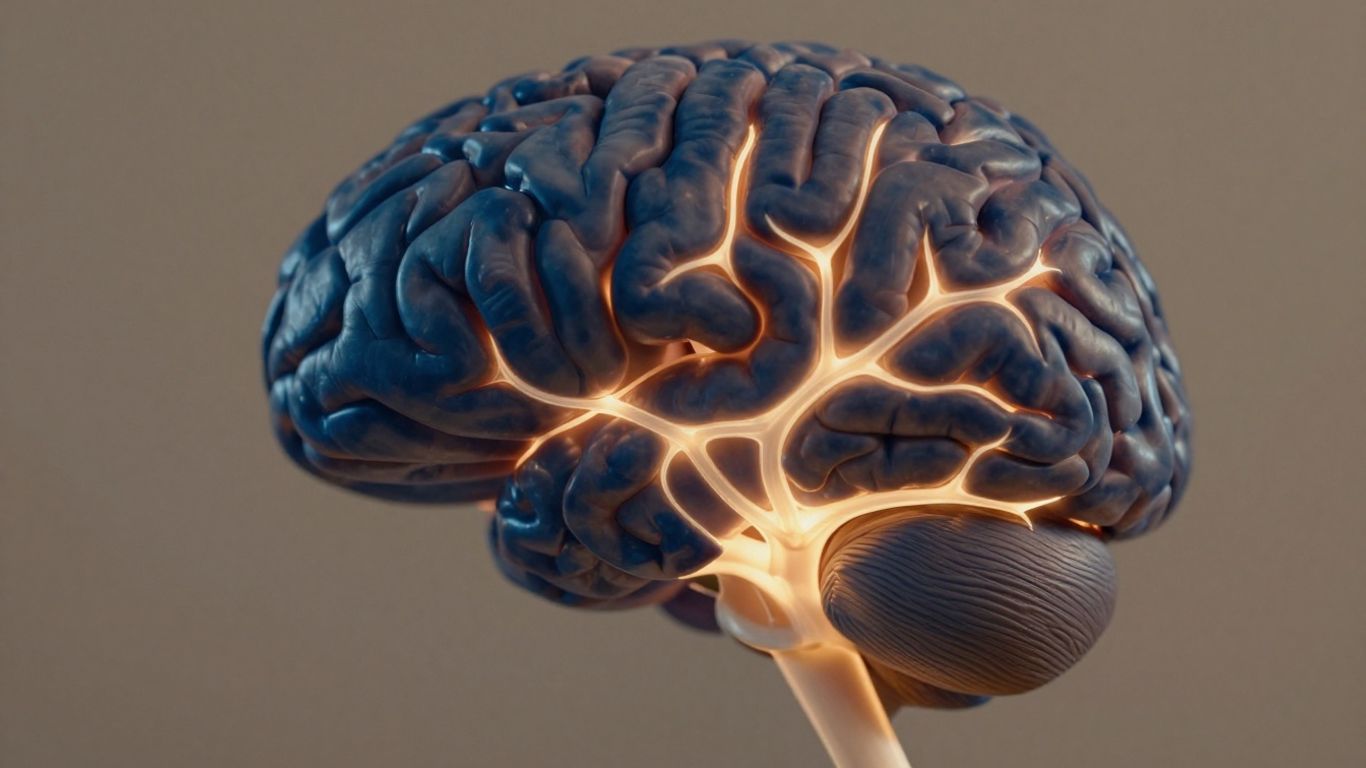
No single brain structure manages emotion on its own. Emotional regulation emerges from communication among systems involved in significance, memory, body awareness, attention, and cognitive control. The same region can contribute to different functions depending on the situation and the network it joins.
The amygdala and the detection of emotional significance
The amygdala helps detect and prioritize emotionally significant information, especially when something may signal threat or importance. It does not simply produce fear, nor does it function as a standalone alarm bell. Its activity is shaped by sensory input, memory, context, and signals from other brain systems.
When the amygdala responds strongly, attention may be drawn toward the relevant stimulus and the body may prepare for action. Later interpretation can revise that first assessment. A loud sound in a dangerous setting and the same sound in a familiar home may initially feel different because context changes significance.
The prefrontal cortex and top-down control
The prefrontal cortex supports planning, working memory, flexible attention, and inhibition. These abilities help a person hold several possibilities in mind, consider consequences, and resist an immediate impulse when another response better serves the situation.
Top-down control does not mean the prefrontal cortex simply commands the emotional brain to be quiet. Its influence depends on sleep, stress, development, motivation, and the complexity of the task. When those resources are available, people are more able to reinterpret an event or delay an action.
The hippocampus and emotional context
The hippocampus contributes to memory and context. It helps the brain distinguish what is happening now from what happened before, which can be especially important when a current cue resembles an earlier frightening or painful experience.
Contextual memory can soften an alarm response when the present situation is safe. It can also be unreliable under severe stress, when memories and surroundings may be processed less flexibly. This helps explain why an emotionally charged moment can feel strangely familiar even when the circumstances are different.
The insula and awareness of internal states
The insula helps integrate signals from inside the body, such as heartbeat, breathing, discomfort, and visceral tension. This internal awareness, often called interoception, contributes to how people recognize and interpret emotions.
A tight chest may be understood as anxiety, excitement, illness, or exertion depending on the surrounding information. Better awareness does not guarantee calm, but it can provide earlier notice that the body is shifting. That notice creates an opportunity to pause before the reaction gathers momentum.
How brain networks coordinate rather than work in isolation
Research increasingly describes emotional regulation as a network process rather than a contest between a rational region and an emotional region. Attention, memory, valuation, body awareness, and control systems exchange information continuously. The brain’s response depends on the task, the person’s history, and the demands of the moment.
A useful overview of development describes how maturation in prefrontal regions relates to improving cognitive control, while also considering learning and social interaction emotion regulation development. This network view is more realistic than imagining that one region is solely responsible for every feeling or decision.
How the brain responds to stress and difficult emotions
Stress changes the conditions under which regulation takes place. It can increase vigilance, mobilize energy, and narrow attention toward immediate problems. In a short burst, that response may be protective; when it persists, it can make reflection and flexibility harder to access.
The interaction between the threat system and the autonomic nervous system
The brain’s appraisal of danger communicates with the autonomic nervous system, which adjusts heart rate, breathing, muscle readiness, digestion, and other functions. The sympathetic branch supports mobilization, while parasympathetic processes help the body settle and recover.
These systems are not simply good and bad. Mobilization can help someone escape danger or act quickly, and parasympathetic activity does not mean passivity. Healthy regulation involves shifting between states as circumstances change rather than remaining permanently calm.
The hypothalamic-pituitary-adrenal axis and cortisol
For sustained stress, the hypothalamic-pituitary-adrenal axis coordinates a hormonal response that includes the release of cortisol. Cortisol helps make energy available and influences immune, metabolic, and cardiovascular activity. Its effects are useful when time is limited, but prolonged activation can become costly.
Cortisol is not a “bad” hormone and cannot explain every emotional experience. Its timing, amount, and interaction with other systems matter. Repeated stress may also alter sleep and attention, which then makes later emotional regulation more difficult.
Why stress can reduce access to deliberate regulation
Deliberate regulation depends on mental resources: attention, working memory, inhibition, and the ability to consider alternatives. Acute stress can redirect those resources toward immediate survival or problem detection. A person may understand a calming strategy in theory yet be unable to use it smoothly in the middle of a crisis.
This is a capacity issue, not a moral weakness. Practicing regulation when relatively calm can make the relevant responses more familiar. It also helps to reduce avoidable demands on the brain during periods of intense activation.
What happens during fight, flight, freeze, and shutdown responses
Fight and flight involve mobilization toward confrontation or escape. Freeze may involve temporary immobility, heightened monitoring, or difficulty initiating action. Shutdown can include numbness, disconnection, exhaustion, or a marked reduction in outward response.
These labels describe broad patterns, not rigid categories. People can move between them, and the same person may respond differently across situations. A response that once protected someone can later appear disproportionate when the original danger is no longer present.
How recovery returns the brain and body to balance
Recovery begins when the brain updates its assessment of danger and the body receives enough cues of safety. Breathing may slow, muscles may release tension, and attention can widen beyond the immediate threat. Recovery is often gradual rather than instantaneous.
Small signals can support that shift: a familiar environment, a steady voice, adequate time, and an accurate explanation of what is happening. Repeated experiences of returning to balance can strengthen confidence that intense states are temporary and survivable.
How the brain regulates emotions in real time
Real-time regulation involves several possible entry points. A person may act before an emotion fully develops, redirect attention once it appears, reinterpret its meaning, label the experience, or tolerate the feeling until its intensity changes. The best strategy depends on timing and on whether the situation can actually be changed.

Reappraisal and changing the meaning of an event
Reappraisal changes the interpretation of an event without pretending that nothing happened. A missed opportunity might be understood as evidence of permanent failure, or as disappointing information that can guide a next step. The facts may remain the same while their emotional meaning becomes less absolute.
Effective reappraisal is usually believable. Replacing a painful thought with forced optimism can feel invalidating, whereas a balanced interpretation leaves room for difficulty and possibility. Asking what else could be true is often more useful than insisting that the first interpretation is wrong.
Attention shifting and reducing emotional fixation
Attention is limited, and repeatedly returning to the same threatening image or thought can keep an emotional state active. Shifting attention does not necessarily mean avoidance. It can mean choosing a task, sensory detail, conversation, or physical activity that gives the brain additional information.
The shift works best when it is intentional and temporary. After the nervous system settles, the original issue can be revisited with more perspective. A distraction that becomes permanent avoidance may preserve the fear rather than resolve it.
Emotion labeling and the effects of naming feelings
Putting an experience into words can make it more specific: irritated rather than simply bad, lonely rather than restless, apprehensive rather than unsafe. Specific language helps separate the feeling from the whole self and may guide a more fitting response.
Naming an emotion is not a magic command that switches off arousal. It is a form of orientation. A practical discussion of naming feelings describes how emotional vocabulary can support movement from automatic reaction toward more intentional regulation naming emotions for regulation.
Inhibitory control and choosing a response
Inhibitory control allows a person to pause an immediate action long enough to consider alternatives. It may be as simple as not sending a message while angry, waiting before making a purchase, or asking a clarifying question instead of assuming hostile intent.
The pause does not eliminate desire or anger. It changes the relationship to the urge. With practice, the gap between impulse and action can become easier to find, especially when basic needs such as sleep and food are not being ignored.
Acceptance, exposure, and allowing emotions to run their course
Acceptance means making room for an emotion without treating it as an emergency or a command. Exposure-based approaches use repeated, supported contact with manageable feared situations so that new learning can compete with old predictions of danger. Neither approach requires liking the feeling.
Allowing an emotion to rise and fall can reveal that intensity changes over time. This is different from passively enduring harmful circumstances. The aim is to tolerate an internal experience while still taking sensible action in the external world.
How emotional regulation develops across the lifespan
Regulation develops through the interaction of biology, relationships, learning, and environment. It is not finished in childhood, and it does not improve in a perfectly straight line. Skills can strengthen with practice, become less available during stress, and change again as circumstances and bodies change.
Early caregiver relationships and the foundations of regulation
Infants depend on caregivers to help organize arousal, attention, and comfort. Consistent responses can teach a developing nervous system that distress can be noticed and reduced. Over time, externally provided calming becomes part of the child’s own repertoire.
No caregiver responds perfectly, and development is not determined by a single relationship. What matters is the broader pattern of repair, safety, responsiveness, and opportunity to practice. Relationships remain relevant long after childhood because people continue to regulate in social environments.
Changes in the prefrontal cortex during adolescence
Adolescence brings substantial changes in motivation, social sensitivity, learning, and cognitive control. Prefrontal systems continue maturing while emotional and reward-related experiences can feel particularly powerful. This combination can make regulation uneven rather than absent.
Adolescents often understand rules and consequences yet struggle to apply that knowledge under peer pressure or intense emotion. Supportive boundaries, sleep, practice, and respectful coaching can help bridge the gap between knowing a strategy and using it in real time.
Learning, habits, and neuroplasticity in adulthood
Adult brains remain capable of change. Repeatedly practicing a response can make it more accessible, especially when practice occurs in situations that resemble real challenges. The goal is not to create a permanently calm brain but to build more routes back to flexibility.
Habits influence regulation indirectly as well. A person who routinely pauses, checks assumptions, and repairs conflict may gradually reduce the effort required for those actions. Change is usually incremental, and setbacks provide information about which conditions still overwhelm the skill.
How sleep, hormones, and aging influence regulation
Sleep supports attention, memory, and emotional processing, so poor sleep can make ordinary frustrations feel more intense. Hormonal changes across the lifespan may also influence energy, mood, stress sensitivity, and body awareness. Aging brings both biological changes and accumulated experience.
Some forms of cognitive control may become slower with age, while emotional priorities and knowledge of personal triggers can improve. These are broad patterns, not predictions about an individual. Health conditions, medication, stress, and social support all shape the picture.
Individual differences in temperament and sensitivity
People differ in how quickly they react, how strongly they experience bodily signals, and how long they take to recover. Temperament can influence these tendencies from early life, but it does not dictate a fixed emotional destiny. Experience and context continually modify how sensitivity is expressed.
A highly sensitive person may notice subtle social changes and become overloaded more easily, while also detecting nuance others miss. Regulation strategies work best when they respect these differences rather than treating one preferred level of emotional intensity as universally healthy.
Evidence-based ways to support emotional regulation
Regulation improves when the brain has both skills and favorable conditions. No single technique works for every person or every state. The most useful approach is usually a small set of practices that can be repeated, adapted, and combined with professional care when needed.
Slow breathing and parasympathetic nervous system activity
Slowing the breath, particularly by making the exhale comfortable and unforced, can provide a direct route into bodily regulation. It may reduce the sense of urgency and give attention a steady anchor. The purpose is not to breathe as deeply as possible, which can make some people light-headed.
A few gentle cycles may be enough to create a pause. If focusing on breathing increases panic, attention can shift to contact with the floor, nearby sounds, or another neutral sensation. The strategy should feel manageable rather than like another performance demand.
Mindfulness and changes in attention regulation
Mindfulness involves noticing present-moment experience with less automatic judgment. Practice may reveal when attention has been pulled into a memory, prediction, or self-critical story. Returning attention does not prevent thoughts; it builds familiarity with redirecting it.
Short, regular practice is often more realistic than occasional long sessions. Mindfulness can also be informal: noticing the first signs of tension while washing dishes, walking, or listening to someone speak. The benefit lies in repeatedly recognizing where the mind has gone and gently choosing where to place it.
Cognitive behavioral techniques and reappraisal
Cognitive behavioral techniques examine links among situations, interpretations, emotions, bodily sensations, and behavior. A person might record a triggering event, identify the automatic thought, test its certainty, and develop a more balanced alternative. This process turns a vague emotional storm into several workable parts.
A simple structure can help organize the practice:
- Describe what happened without adding an interpretation.
- Name the emotion and estimate its intensity.
- Identify the prediction or belief attached to it.
- Consider evidence, alternatives, and a useful next action.
The exercise is not about arguing with every feeling. It is about discovering whether the interpretation is accurate, helpful, and open to revision. Over time, that flexibility can make difficult situations less consuming.
Exercise, sleep, and other body-based foundations
Movement can change arousal, mood, and attention while supporting general physical health. Adequate sleep makes it easier to inhibit impulses and recover from stress. Regular meals, hydration, and treatment of medical problems also matter because the brain regulates emotion through a body with changing needs.
These foundations are not substitutes for therapy or medication when those are indicated. They are conditions that make other strategies more available. A modest routine that can be sustained usually matters more than an ambitious plan followed briefly.
Social connection and co-regulation
People regulate in relationship as well as alone. A calm voice, attuned listener, affectionate contact when welcome, or practical help can reduce the sense of threat and make reflection possible. Co-regulation is not dependence or weakness; it is part of ordinary human development and functioning.
The quality of connection matters. Support that dismisses, shames, or escalates emotion may intensify distress. Helpful connection acknowledges the feeling while preserving the person’s ability to choose what happens next.
When emotional regulation becomes difficult
Everyone loses access to regulation sometimes. Concern rises when difficulty is persistent, causes significant impairment, leads to repeated harm, or feels impossible to understand or change. A compassionate assessment looks at patterns, triggers, body states, relationships, and mental health rather than blaming character.
The effects of chronic stress and trauma on regulation circuits
Chronic stress can keep threat-related systems active and make recovery less predictable. Trauma may also teach the brain to detect danger in cues that resemble earlier experiences, even when the present context is safer. These adaptations once served protection, but they can become burdensome after the danger has passed.
Healing does not require forcing the brain to forget. It often involves building safety, learning to recognize triggers, developing body-based stability, and creating new experiences that update old predictions. Progress may be gradual and non-linear.
Emotional regulation in anxiety, depression, and mood disorders
Anxiety can involve persistent threat prediction, avoidance, and heightened attention to uncertainty. Depression may include low motivation, slowed thinking, painful self-evaluation, and difficulty shifting attention away from negative material. Mood disorders can involve broader changes in energy, sleep, activity, and emotional intensity.
These patterns overlap but are not interchangeable. Diagnosis requires attention to duration, severity, history, and functional impact. A person should not be expected to solve a clinically significant condition through willpower or a single self-help exercise.
Why impulsivity and rumination can reinforce emotional distress
Impulsivity can bring short-term relief while creating longer-term problems, such as conflict, regret, financial strain, or physical risk. Rumination does the opposite in a way: it repeats analysis without producing a useful decision, keeping attention tied to distress. Both patterns can strengthen the cues that trigger them.
Interrupting the cycle may involve delaying an action, changing the environment, writing a concrete next step, or speaking with someone trusted. The aim is not perfect control. It is to create enough distance for a different response to become possible.
When self-guided strategies may not be enough
Professional support is appropriate when emotions interfere with work, relationships, sleep, safety, or basic care. It is especially important to seek help for self-harm thoughts, suicidal thinking, severe substance use, prolonged inability to function, or symptoms that feel urgent and uncontrollable.
A clinician can help distinguish ordinary stress from a condition needing treatment and can adapt strategies to trauma, neurodevelopmental differences, medical factors, or medication effects. Immediate danger calls for emergency services or a local crisis resource rather than waiting for self-guided practice to work.
How therapy can strengthen flexible regulation skills
Therapy can provide a structured setting to identify triggers, understand protective patterns, practice new responses, and repair the shame that often follows difficult reactions. Different approaches emphasize different pathways, including cognitive change, acceptance, exposure, behavioral practice, interpersonal safety, and body awareness.
The central aim is flexibility: noticing what is happening, understanding what the emotion may be signaling, and choosing an effective response with less automatic suffering. Brain research can inform these approaches, but lasting change also depends on relationships, repetition, context, and the person’s own goals.
Conclusion
Emotional regulation is a living conversation among brain regions, body systems, memories, attention, relationships, and learned habits. Difficult feelings are not evidence of failure; they are signals that can be understood and guided. With practice and appropriate support, the brain can become more flexible in how it responds, recovers, and chooses what comes next.
Frequently Asked Questions
What is emotional regulation?
Emotional regulation is the ability to notice, influence, and respond to feelings in ways that fit the situation and support longer-term goals. It can involve changing attention, interpretation, behavior, or the environment.
Is emotional regulation the same as staying calm?
No. Regulation can include feeling anger, grief, fear, or excitement while choosing a considered response. Calmness is one possible state, not the only sign of healthy regulation.
Which brain region controls emotions?
No single region controls all emotions. Regulation depends on coordinated activity involving systems for emotional significance, memory, body awareness, attention, and cognitive control.
Can stress make emotional regulation harder?
Yes. Acute or chronic stress can direct attention toward immediate threat and reduce access to working memory, inhibition, and flexible reasoning. Recovery and supportive conditions can restore those abilities.
Does naming an emotion really help?
Naming an emotion can make an experience more specific and easier to examine. It does not automatically remove distress, but it may create distance from an impulse and clarify what kind of response is needed.
Can adults improve emotional regulation?
Yes. Adult brains remain capable of learning and adaptation. Repeated practice, supportive relationships, healthy routines, and therapy can strengthen flexible responses over time.
When should someone seek professional help?
Professional help is worth considering when emotional reactions persist, impair daily life, damage relationships, or create safety concerns. Urgent danger, suicidal thoughts, or risk of harm require immediate local emergency or crisis support.

0 Comments