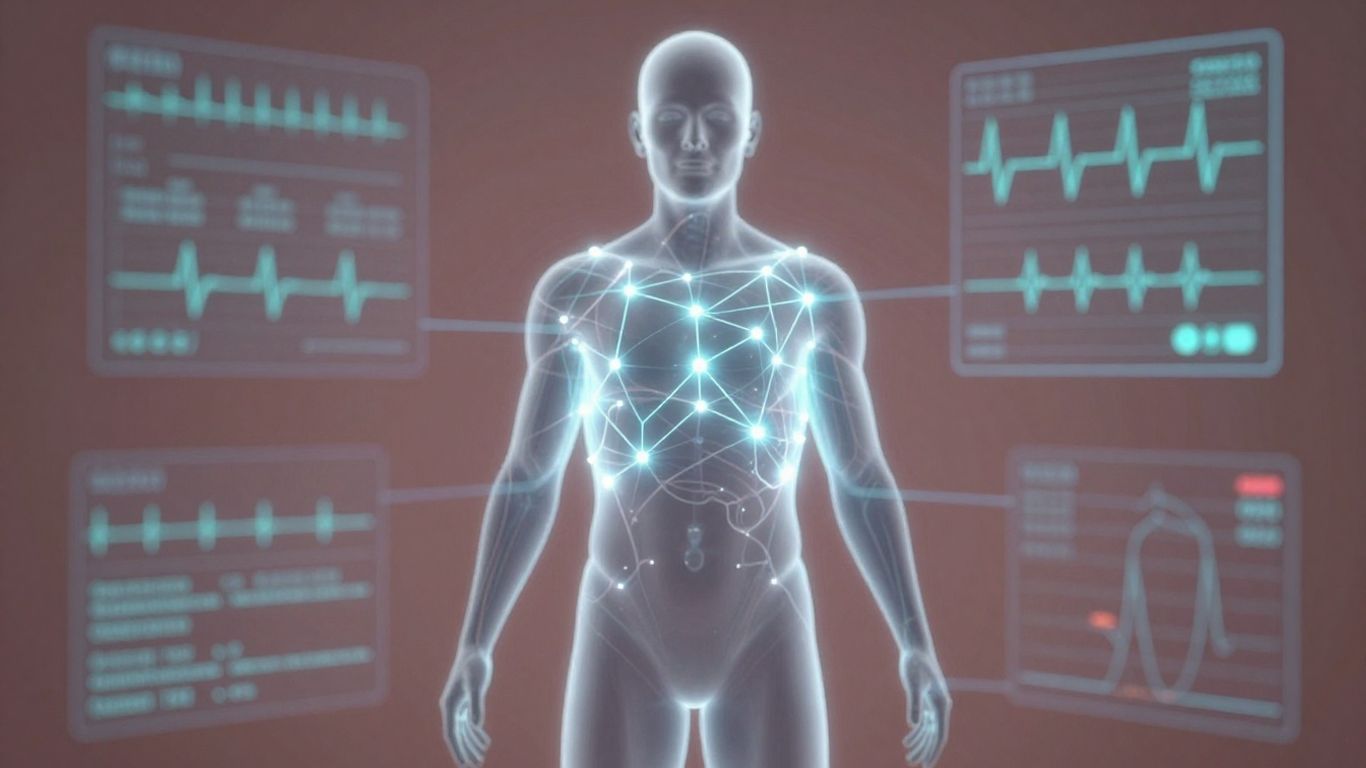
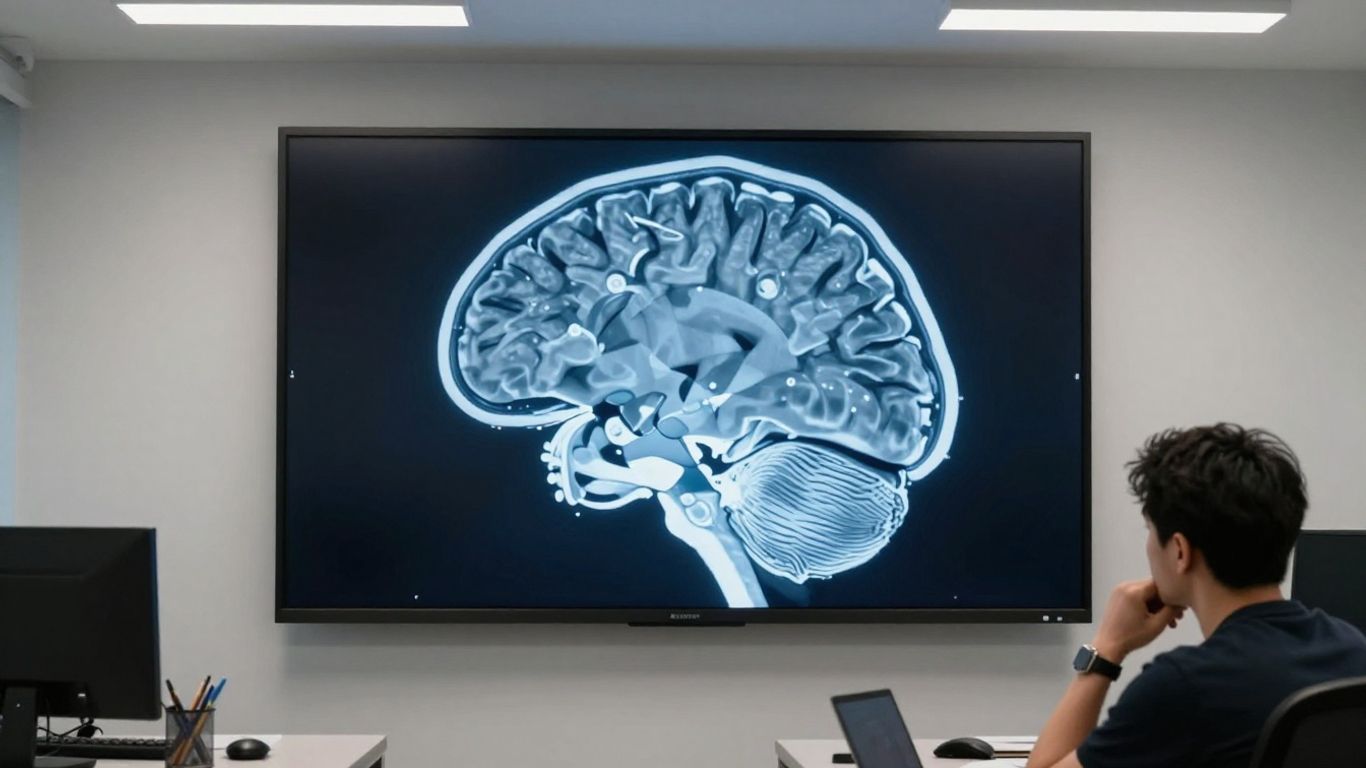
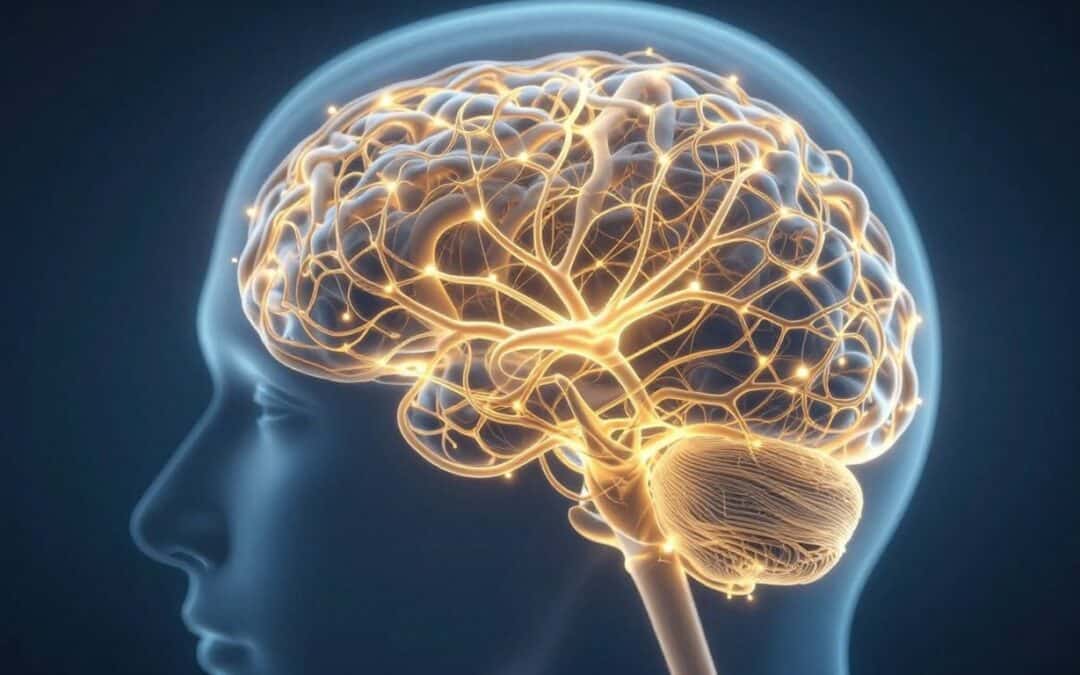
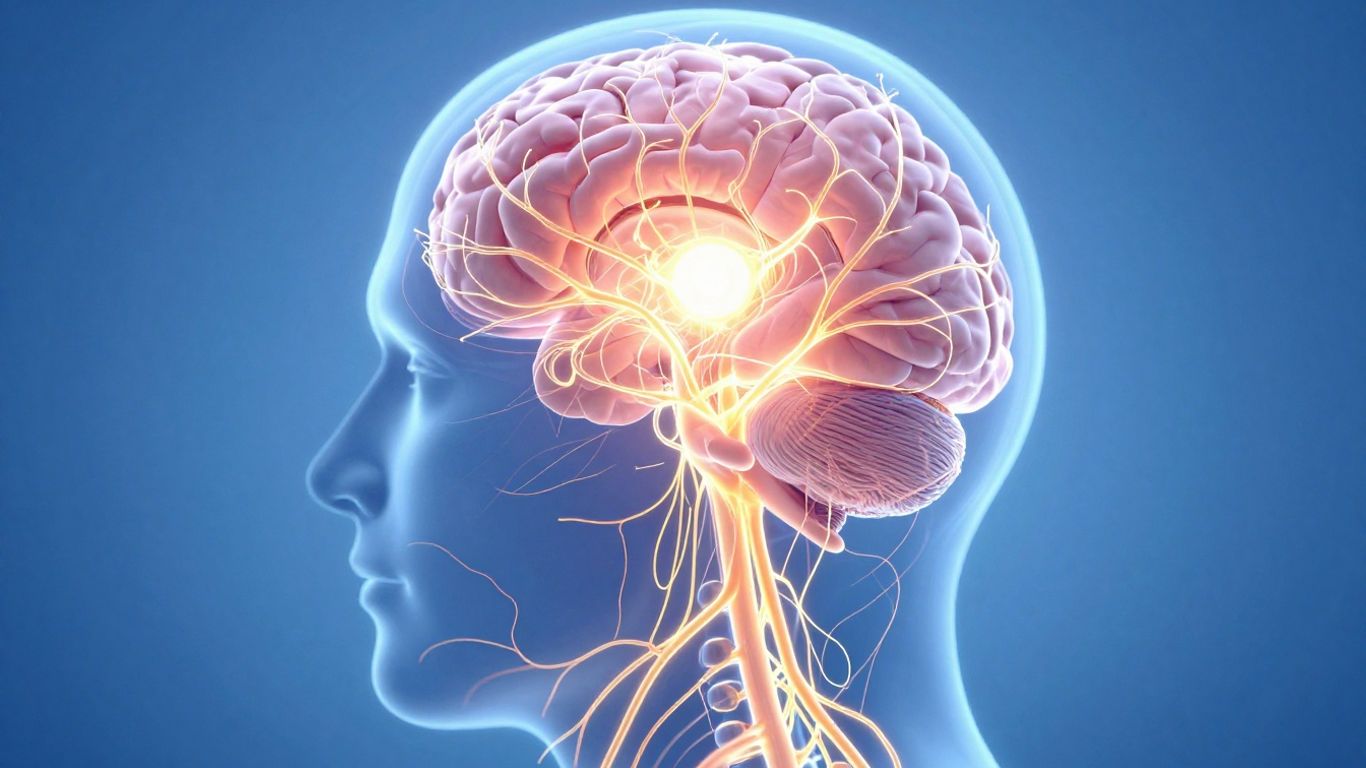
Understanding the physiological impact of chronic stress is vital for long-term well-being. The following points summarize the impact of cumulative stress on the human body:
Allostatic load describes the wear and tear caused by chronic stress on biological systems.
The body maintains stability through changes in internal processes, known as allostasis.
Chronic stress, when untreated, can overwhelm the body’s ability to recover and adapt efficiently.
Biomarkers such as cortisol and blood pressure are commonly used to assess cumulative physiological impact.
Targeted lifestyle modifications, combined with professional support, can effectively mitigate the effects of allostatic overload.
Defining allostatic load and its biological basis
The concept of homeostasis versus allostasis
Homeostasis traditionally refers to the body’s effort to return to a fixed set point, such as body temperature, to survive. In contrast, allostasis describes the process of achieving stability through active, ongoing adaptation to changing environmental demands.
Biological costs of constant physiological adaptation
Every time the body adjusts to a new demand, it incurs a biological cost. This cost represents the energy and resources spent by various systems to keep the organism functional, which can lead to fatigue if the adaptation process never terminates.
Understanding the wear-and-tear metaphor in stress research
Chronic stress creates wear and tear on the body, similar to how mechanical parts degrade under constant tension. This metaphorical framework helps clinicians explain why prolonged activation of the stress response eventually compromises tissue and organ integrity.
Why cumulative stress differs from acute stress responses
Acute stress is a temporary, survival-oriented reaction designed to solve an immediate problem. In contrast, cumulative stress results from the persistent failure to shut down these defensive systems, as described in the allostatic load model, leading to systemic breakdown.
Key biological systems involved in cumulative stress
The HPA axis acts as the central command for our stress response. When this axis remains chronically active, it floods the body with glucocorticoids, which can eventually dysregulate the hormonal signals necessary for health.
Sympathetic nervous system and catecholamine release
Continuous stimulation of the sympathetic nervous system leads to prolonged increases in heart rate and blood pressure through sustained catecholamine release. The following list illustrates common physiological effects of this state:
Sustained tachycardia or elevated resting heart rate
Persistent vasoconstriction leading to hypertension
Increased energy expenditure during rest periods
Diminished ability to shift into parasympathetic recovery
Systemic inflammation and immune system dysregulation
Chronic stress dampens the immune response by altering the inflammatory signaling pathways. This shift often leaves the body vulnerable, as the immune system loses its precision and begins to attack tissues or fail to clear pathogens properly.
Metabolic interactions and glucose control
Persistent stress signals prompt the liver to release stored glucose into the bloodstream as a source of quick fuel. Under chronic conditions, this process destabilizes glucose regulation, as seen in the following comparative table of system responses:
System
Acute Response
Chronic Impact
Cortisol
Brief spike
Sustained elevation
Blood Pressure
High temporary
Constant hypertension
Insulin
Sensitivity
Chronic resistance
Quantifying allostatic load in clinical settings
Common biomarkers used in contemporary research
Researchers use medical professional biomarkers to measure the cumulative strain on multiple bodily systems. These include testing for catecholamine levels, inflammatory markers, and metabolic health indicators.
Limitations of composite index measurement models
While composite indices attempt to provide an overall score for physiological strain, they often ignore the complex timing and duration of individual biomarkers. This lack of nuance can mask the specific pathways through which damage is occurring.
Predicting long-term health outcomes through systemic data
By analyzing longitudinal trends in allostatic load assessment, doctors can anticipate risks for cardiovascular disease and metabolic syndromes early on. This proactive approach helps in targeting interventions before significant damage becomes irreversible.
Standardization challenges across different demographics
Creating a standardized way to measure this load is difficult because baseline levels vary based on age, sex, and environment. These differences necessitate personalized interpretations of laboratory data.
How chronic stress impacts long-term physiological health
Cardiovascular health and blood pressure regulation
Persistent stress keeps the vascular system in a state of high alert, which can lead to arterial damage over time. Protecting the heart might involve monitoring your cardiovascular health markers regularly.
Impact on cognitive function and structural brain health
Chronic exposure to stress hormones can physically prune dendritic connections in the prefrontal cortex, impairing decision-making processes.
This structural change shows the deep link between stress and neurobiology, often resulting in diminished executive function and memory over time.
Metabolic dysregulation and the risk of insulin resistance
When cortisol remains elevated, it alters how the body stores and utilizes fat, promoting central adiposity. This metabolic shift is a primary driver for the development of chronic insulin resistance.
Accelerating cellular aging and telomere attrition
At the cellular level, constant stress is associated with shorter telomeres, which are the protective caps on the ends of chromosomes. This represents a literal biological aging of cellular DNA, accelerated by environmental and emotional pressure.
Differentiating adaptive allostasis from allostatic overload
The threshold where adaptation turns into pathology
Allostasis is inherently helpful when it keeps us alive through moderate changes. Pathology begins at the threshold where the energy required for regulation exceeds the available reserves, leading to physiological deficit.
Cumulative effects of high-effort, low-reward stressors
When an individual exerts massive effort without receiving the expected result, the nervous system enters a state of frustration. This profile is particularly damaging because it forces the body to maintain expensive stress responses without providing the biochemical relief of achieving the goal.
Environmental and psychological catalysts for overload states
External factors such as persistent poverty, social isolation, or high-pressure work environments act as chronic fuel for the engine of allostatic overload. The combination of these stressors often creates a feedback loop that is difficult to break without identifying the primary environmental catalysts.
Signs that systems have lost the capacity for recovery
Eventually, the body may stop exhibiting spikes in stress markers and instead present a flat, blunted physiological profile. This implies a systemic exhaustion where the regulatory systems have lost their capacity to respond correctly to even minor challenges.
Strategies for reducing and managing physiological load
Evidence-based nervous system regulation techniques
Techniques such as controlled breathing, progressive muscle relaxation, and mindfulness meditation are essential for dampening the sympathetic nervous system.
Lifestyle modifications to support resilience and recovery
Regular physical activity and disciplined sleep hygiene are foundational for balancing the metabolic output of the body. These habit-based changes allow organs to recover from the daily wear and tear of living.
The role of social support systems in buffering stress
Social connectivity provides a buffer that can lower the perceived intensity of stress, reducing the biological demand on the HPA axis. Strong bonds offer emotional stability, which effectively limits the activation of the body’s emergency responses.
Identifying when to seek professional medical intervention for chronic strain
If lifestyle changes fail to restore energy or improve health outcomes, professional guidance is necessary. Doctors can provide advanced care to prevent the progression of deep-seated systemic fatigue.
Conclusion
Addressing cumulative physiological stress is a foundational step in maintaining long-term vitality, as the body’s internal balancing acts cannot continue indefinitely without period recovery. By recognizing the subtle signs of allostatic overload and adopting proactive, evidence-based self-care, individuals can reclaim their health and protect their biological future from the hidden costs of chronic tension.
Frequently Asked Questions
What is the difference between homeostasis and allostasis?
Homeostasis involves maintaining a stable set point within a narrow range, whereas allostasis achieves stability through change by managing the physiological costs of responses to environmental demands.
Can allostatic load be reversed?
In many cases, the body can recover from early signs of accumulated load through significant lifestyle changes and systemic stress reduction strategies focused on restoring metabolic and hormonal balance.
What are some common biomarkers used to track stress?
Clinicians commonly assess cortisol levels, blood pressure readings, glucose metabolism indicators, and systemic inflammation markers to quantify the impact of chronic stress on the body.
How does chronic stress lead to heart disease?
Repeated activation of the cardiovascular system triggers high blood pressure and arterial tension, eventually leading to structural damage and decreased efficiency in blood flow management over several years.
Is allostatic load always unhealthy?
No, allostatic processes are necessary for survival in a changing environment, but the state becomes problematic when it results in persistent wear and tear that exceeds the body’s limited recovery capacity.
What role does sleep play in managing stress?
Sufficient sleep is critical for clearing out stress hormones and allowing repair processes to stabilize, acting as a mandatory reset for systems exhausted by the demands of the day.
When should I seek help for chronic stress?
If you experience persistent fatigue, unexplained changes in weight, difficulty concentrating, or blood pressure issues that do not resolve with rest, it is prudent to consult a professional to discuss your overall wellness.
Understanding the freeze response helps clarify why humans sometimes become immobile under stress. This physiological reaction mirrors ancient survival mechanisms often studied in comparative neuroscience.
The freeze response functions as an involuntary parasympathetic brake.
It differs distinctly from the high-energy fight-or-flight pathway.
Symptoms include profound physical paralysis and cognitive fog.
Chronic states can lead to long-term dissociation and anxiety.
Regulating the nervous system requires consistent somatic grounding techniques.
Understanding the biology behind the freeze response
When the brain perceives an overwhelming threat, the traditional fight-or-flight mechanisms sometimes fail to trigger, leading to an alternative survival strategy. This state is not a sign of weakness but rather a complex physiological adaptation involving the prehistoric parts of our internal regulation systems.
The role of the autonomic nervous system
The autonomic nervous system acts as the primary controller for involuntary body functions, splitting the workload between the sympathetic and parasympathetic branches. During a freeze state, the body attempts to conserve energy while managing perceived danger, which creates a unique physiological profile compared to active movement responses.
Activation of the dorsal vagal complex
The dorsal vagal complex remains the oldest part of the vagus nerve and becomes active when the brain deems active fight or flight dangerous or futile. This system slows down metabolic processes, leading to the muscular immobilization that characterizes the freeze state. It essentially forces a shutdown of motion to prioritize internal stability over external engagement.
Evolutionary purpose of the freeze mechanism
In the wild, remaining motionless serves as a vital survival tactic to escape the notice of predators that rely on motion to track their prey. This ancestral trait remains encoded within our modern biology, manifesting when the brain evaluates a threat as insurmountable. Learning the core mechanics of this involuntary reaction provides deeper insight into how the brain reacts to stress.
Differences from the sympathetic fight-or-flight pathway
Distinguishing between active and passive responses is essential for recognizing how our bodies navigate trauma. The following comparison highlights the fundamental physiological divergence between these modes:
Feature
Sympathetic (Fight-or-Flight)
Parasympathetic (Freeze)
Heart rate
Rapid acceleration
Significant deceleration
Muscle tone
High tension and readiness
Rigid paralysis or limpness
Cognitive state
Hyper-alert and sharp
Foggy and detached
These differences illustrate the extreme range of human survival strategies. While the sympathetic system demands immediate physical exertion, the freeze state acts as an internal circuit breaker against overwhelming pressure.
Identifying symptoms of the freeze response
Recognizing that a person is transitioning into a freeze state requires attention to subtle behavioral and physiological shifts. These indicators often appear when an individual faces a stressor that triggers their internal threat detection system.
Physical sensations like numbness and paralysis
One often reports a sudden feeling of leaden limbs or an inability to initiate movement even in safe environments. The sensation of being physically stuck or heavy is a hallmark of the body attempting to manage an intense, yet suppressed, stress arousal.
Emotional detachment and depersonalization
Many individuals describe a sense of floating away from their physical bodies or perceiving the world through a thick veil. This defensive detachment serves to insulate the psyche from overwhelming intensity, which is a common occurrence in trauma-informed survival scenarios.
Cognitive blocking and executive dysfunction
When the system floods with survival-mode signals, the prefrontal cortex struggles to maintain routine focus. Thoughts become intermittent or vanish entirely, making the execution of simple tasks feel like climbing a mountain. It is a common experience, often described as a mental block during high-pressure moments.
Behavioral indicators in social situations
Individuals moving into a freeze state often exhibit specific behavioral markers. Observing these signs can help one understand the underlying struggle:
Sudden loss of eye contact during conversation.
Inability to respond to direct verbal prompts.
A flat, monotonous vocal tone during interactions.
Noticeable withdrawal from active social participation.
The psychological triggers that induce freezing
Psychological triggers often stem from environments that mirror the helplessness or lack of agency experienced during earlier developmental trauma. The brain maps these current stressors against past experiences, activating the freeze state to mitigate perceived harm before it fully unfolds.
High-pressure environments and overwhelm
Mental exhaustion frequently acts as a bridge to the freeze response when the environment demands performance that the brain currently feels incapable of providing. The gap between expectation and internal capacity creates a deficit that forces the nervous system to halt.
Perceived lack of control in stressful scenarios
When an individual feels the absolute inability to influence an outcome, the brain may abandon active engagement in favor of conservation. This phenomenon highlights that the freeze state is often a response to perceived powerlessness rather than the physical danger itself.
Traumatic reminders and associative triggers
A sound, a specific location, or even a nuanced social gesture can act as an anchor to past events. These sensory reminders bypass rational thought, instantly signaling the body to enter a defensive state as if the original event were recurring today.
Social threat and fear of judgment
Social landscapes can be just as threatening to the nervous system as physical danger, particularly when the fear of rejection is high. Recent research explores how this defensive response to social threats, such as observing hostility or anger in others, leads to localized freezing in controlled laboratory settings.
Distinguishing freeze from fawn and shut down
It is common to confuse different survival patterns, yet each serves a unique function within our neural architecture. Clarification between these modes allows for more precise self-reflection and therapeutic work.
Defining the fawn response as a relational adaptation
The fawn response is characterized by people-pleasing and appeasement strategies intended to avoid conflict and maintain safety. Unlike the isolate-and-numb nature of freezing, fawning involves hyper-social behavior to navigate interpersonal stress.
Comparing freeze to the collapse or shut-down state
While freeze and shut down are related, they operate on different scales of intensity. An individual in a freeze state remains alert but immobile, whereas a total shut down or collapse often indicates a move toward complete internal withdrawal and restorative sleep-like biology.
Why the nervous system prioritizes specific survival patterns
The brain selects the response that carries the highest probability of survival based on the immediate context. By observing our own natural reactions to stress, we can identify which patterns have become our primary templates for navigating change.
The overlap between stress reactions in complex trauma
In scenarios of repeated tension, these survival reactions often form an interconnected web that complicates emotional regulation. The nervous system becomes highly efficient at cycling through these defenses to protect the individual from perceived distress.
Long-term effects of chronic freeze states
Persistent movement into a freeze state can alter one’s baseline functioning, turning a temporary survival tool into a permanent default mode of operation. Over time, this chronic activation has measurable impacts on health and daily life.
Impact on mental health and anxiety disorders
Regularly entering a freeze state often correlates with heightened anxiety, as the brain constanty scans for threats. The constant switching between active states and involuntary immobilization creates a state of internal exhaustion.
Physiological consequences of suppressed stress arousal
When stress chemistry is not metabolized through movement, it can linger in the body, contributing to chronic inflammation or digestive issues. The inability to fully discharge reactive energy leaves the body in a state of suspended agitation.
Difficulty maintaining focus and motivation
Long-term freezing depletes the energy needed for future-oriented tasks, often leading to a persistent sense of procrastination. The cognitive effort required to break through this state usually exceeds what an individual can naturally produce.
Persistent feelings of being disconnected from reality
When the system remains in a protective, detached mode, the world may feel unreal or muted. This persistent state of depersonalization is a major factor in the disruption of healthy life satisfaction.
Strategies for regulating and thawing the nervous system
Regulating the nervous system requires intentional actions that signal safety to the brain, gradually inviting it to disengage the internal alarm. This process is rarely instantaneous, requiring patience and a gentle approach to physiological work.
Somatic grounding techniques for physiological reconnection
Somatic grounding encourages the body to acknowledge its presence in the here and now through physical awareness. Techniques like rhythmic movement, tapping, or focused breathing help anchor the mind when dissociation begins to set in.
Using sensory input to cue safety to the brain
Engaging the senses through soothing textures, familiar scents, or grounding vocal tones provides the nerves with evidence that the threat has passed. This sensory feedback loop is fundamental to shifting back into a more fluid range of movement.
Gradual exposure and tolerance building
Slowly increasing one’s capacity to handle small amounts of stress builds the resilience necessary to avoid the automatic pull of the freeze response. It is about expanding one’s "window of tolerance" without forcing unnecessary pressure.
The role of co-regulation and external support systems
Because the nervous system is designed for social connection, having a calm and supportive partner or mentor can help regulate one’s internal state. Co-regulation acts as a external steadying hand, allowing the brain to mirror the safety cues provided by others.
Conclusion
Understanding the freeze response acknowledges that our bodies possess ancient, effective, and sometimes misaligned methods for managing danger. By developing awareness and employing grounding strategies, we can begin to thaw these long-held defensive patterns and move more freely through life, reclaiming our agency from the reflexive habits of our nervous system.
Frequently Asked Questions
Why does the freeze response happen suddenly?
The freeze response is an involuntary reflex triggered when the brain processes a threat as too overwhelming for current resources or action.
Can I train myself to avoid freezing entirely?
It is better to focus on building resilience rather than elimination, as the goal is to expand your ability to process stress without defaulting to paralysis.
Is the freeze state always harmful?
It is a survival adaptation that serves a purpose in life-threatening scenarios; it only becomes harmful when it is triggered inappropriately by mundane stressors.
Do children and adults experience freezing differently?
Children may show more overt behavioral freezing because they have fewer internal resources to manage conflict, while adults often internalize the experience as cognitive fog or detachment.
How does physical movement help with the freeze response?
Movement signals to the autonomic nervous system that you are transitioning away from the passive protection mode into active engagement, helping to discharge excess arousal.
Does meditation help with chronic freezing?
Meditation can be helpful, but it should be approached carefully as some forms of silence might inadvertently trigger the detachment or dissociation experienced during a freeze event.
Where can I find professional support for this?
Therapists who specialize in trauma or nervous system regulation can offer specific, guided techniques tailored to your physical and emotional history.
Understanding how we experience our internal world is a foundational step toward long-term mental health. By learning to tune into bodily sensations, we can better manage emotional responses and improve our overall state of well-being.
Interoception acts as the brain’s private message service from internal organs.
Accurate perception of heart rate and breath can help in managing anxiety.
The brain uses predictive models to interpret physiological signals before conscious thought.
Poor awareness of these signals often leads to burnout and emotional dysregulation.
Targeted techniques like body scanning can significantly strengthen interoceptive accuracy.
What is interoception?
Interoception involves the continuous flow of signals from the body to the brain that provide information about our internal condition. These signals tell us when we are thirsty, hungry, or even when our heart rate is increasing due to external events. Recognizing the importance of this inner dialogue is essential for anyone interested in interoception stress awareness science and its role in human health.
Defining the internal sense
At its simplest, this sense is the conscious or unconscious perception of internal signals coming from your organs and tissues. Unlike our five external senses which help us map our surroundings, this system focuses entirely on what is happening inside the biological machine. It exists fundamentally to maintain homeostasis, ensuring that bodily systems remain balanced throughout the day.
The role of physiological receptors
Inside our organs, specialized sensors constantly measure shifts in pressure, chemistry, and temperature, transmitting this data through neural fibers. These receptors provide the raw input necessary for the brain to monitor vitals without us needing to check a pulse manually. Without these tiny, ever-active nerve endings, we would be entirely oblivious to the foundational needs of our own structures.
Differentiating interoception from proprioception
While they are often confused, proprioception refers specifically to the sense of your body’s movement and position in space, such as knowing where your hands are while typing. In contrast, this internal sense is strictly concerned with physiological status rather than biomechanical orientation. Knowing your leg is raised is proprioception, while knowing your leg feels warm or that your pulse is elevated is its internal counterpart.
How the brain decodes bodily signals
Our brains possess an intricate communication network that interprets millions of sensory inputs every second to ensure we survive and thrive. This processing happens below the level of conscious thought for the most part, though it significantly shapes our mood and behavior. Research into this process reveals that our understanding of internal states is anything but random.
Primary neural pathways from body to brain
Signals travel along well-defined nerve pathways until they arrive at the thalamus, which serves as a massive relay station. From there, the data is distributed to specific regions that prioritize immediate survival needs. The table below illustrates the hierarchy of how common sensations are routed and initially categorized by the central nervous system:
Sensation Type
Primary Receptor
Processing Region
Heartbeat
Baroreceptors
Thalamus
Hunger
Chemoreceptors
Hypothalamus
Temperature
Thermoreceptors
Insula
The insular cortex as the interoceptive hub
Once the input clears the initial relay, it lands largely in the insular cortex, which acts as the primary hub for interpretation. This region integrates various disparate inputs to create a cohesive ‘feeling’ state. It is here that raw physiological data finally turns into a recognizable emotion or urge that we can act upon.
Predictive processing and the brain’s internal model
Modern neuroscience suggests the brain is a predictive organ that doesn’t just react to the body but anticipates its needs based on previous experience. It generates a predictive model that suggests what we should feel before the signal is even fully processed. When the model matches the incoming feed, we remain calm, but mismatches result in the sudden awareness of ‘something being off’.
The intersection of interoception and stress
When we experience heightened tension, our bodies provide a barrage of signals that the brain must decode in real-time. Often, that feeling of dread is just the brain reacting to a cascade of physiological alerts it hasn’t properly labeled. Improving our ability to read these specific markers is a major component of psychological resilience.
Recognizing the physical precursors of anxiety
Anxiety rarely arrives without an invitation from the body, typically manifesting in rapid heart rates or shallow breathing long before we feel mentally distressed. For many, the physical tightness in the chest or stomach acts as an early warning alert. Paying attention to these precursors allows for earlier intervention before the psychological impact becomes fully realized.
The fight-or-flight response under the interoceptive lens
When the brain views the body as being under threat, it triggers a cascade aimed at preservation. This includes mobilizing energy and shifting resources away from non-essential functions like digestion. During these moments, the internal sensations become intentionally intense to ensure we prioritize the threat over all other thoughts.
How chronic stress alters internal signaling
Persistent pressure can dampen the clarity of these signals, leading to either an over-sensitivity or a total lack of awareness. When the system remains on high alert for too long, the brain eventually loses its ability to accurately distinguish between real external danger and harmless bodily fluctuations. This breakdown is frequently observed in individuals suffering from long-term burnout.
Signs of poor interoceptive awareness
Lacking this awareness can make everyday self-regulation feel like a constant struggle, as internal states go unnoticed until they become overwhelming. Many people move through life relying on external cues, completely disconnected from the nuanced messages their body sends about their actual state of exhaustion or stress.
Difficulty identifying subtle emotional states
Often, people struggle to name their feelings, describing them only as ‘bad’ or ‘weird’ instead of identifying them as anxiety, sadness, or fatigue. This cognitive barrier prevents proper management of the emotion because the brain hasn’t assigned a clear, usable label. Improving this identification often involves the following practices:
Journaling about physical sensations during the day
Practicing deliberate pauses to perform a body check
Slowing down to label breath and muscle tension
Seeking context for specific somatic changes
Overlooking early warning signs of burnout
Burnout is often a cumulative process that the body warns us about through subtle indicators like digestive shifts or consistent lethargy. If we don’t have the tools to recognize these signals, we ignore them until the energy tank is completely empty. By this point, the recovery process requires far more time and effort than if we had noticed the red flags earlier.
The prevalence of ignored somatic symptoms
Ignoring physical signals is a common habit in high-performance environments where productivity is valued over comfort. Over time, the body learns that its signals are being disregarded, which can actually cause it to send them even more urgently. This leads to chronic somatic discomfort that the individual eventually accepts as a ‘normal’ way to feel.
Evidence-based methods to enhance interoceptive awareness
Fortunately, this awareness is a skill that can be strengthened through practice and focused effort. Various structured protocols have been developed to help people reconnect with their physiological reality. These techniques are accessible to anyone and do not require specialized medical equipment.
Mindful attention techniques for physiological tracking
Starting a daily practice of simply counting your breaths or tracking the rhythm of your heartbeat can yield significant improvements. The goal here is not to change the sensation but to observe its intensity and variability without judgment. Consistent practice builds the neural pathways that allow for more accurate data collection from the body.
Breath awareness and structured body scanning
Taking time each evening to mentally scan the body from head to toe helps identify areas of tension that have gone unnoticed. By focusing specifically on the chest, abdomen, and toes, we can consciously release held tension. This habit normalizes the process of checking in, turning a reactive process into a proactive self-care routine.
Gradual exposure to physical sensations
For those who feel overwhelmed by physical signals, controlled exposure through exercise or sauna use can teach the brain that these sensations are safe. Feeling a racing heart during a workout and realizing it isn’t dangerous helps calm the brain’s alarm system. Over time, this decreases the threshold for anxiety triggered by common bodily changes.
The impact on long-term emotional regulation
Those who are better at perceiving their internal states tend to exhibit higher levels of emotional stability over time. By knowing exactly what is happening in the body, we can deploy the right coping strategy before a situation escalates. This is a vital asset for maintaining equilibrium in a busy world.
Improving self-compassion through accurate perception
When we understand why the body feels certain ways, we are less likely to criticize ourselves for those reactions. Recognizing that a spike in nerves is simply a physiological response to stress—rather than a character flaw—cultivates mercy. We treat ourselves with the same care we would offer a friend who is feeling unwell.
Enhancing decision-making through somatic markers
Decisions are rarely made in a purely rational vacuum, as our bodies provide ‘somatic markers’ that guide our choices. By listening to the gut feelings that manifest as physical sensations, we tap into a wealth of subconscious info that complements our analytical thinking. This enables a more balanced and effective approach to solving complex problems.
Scientific benefits for mental health and resilience
Ultimately, researchers have found that this form of awareness correlates with greater emotional flexibility and lower symptoms of distress. It allows for a more personalized response to life’s challenges, as we are no longer guessing at our own needs. Strengthening this foundation is a key predictor of lasting stability and mental health.
Conclusion
Developing a refined sense of your own internal landscape is one of the most effective strategies for navigating life’s inevitable stresses. By bridging the gap between bodily sensation and cognitive interpretation, you can foster a sense of clarity and empowerment that benefits every aspect of your daily experience. Start by simply listening to the quiet messages your body provides, trusting that this awareness is the path toward a more resilient and balanced future.
Frequently Asked Questions
Can everyone improve their interoceptive awareness?
Yes, this skill is similar to a muscle that can be strengthened through consistent practice and attention over time.
Does this sense play a role in physical pain perception?
It is deeply connected to how we perceive pain, as our awareness of our bodily state determines how intensely we experience and react to noxious stimuli.
How long does it take to see results from sensory training?
Most individuals begin to notice subtle improvements in their ability to label their internal states within a few weeks of consistent practice.
Is it possible to have too much interoceptive awareness?
Yes, hyper-awareness can lead to excessive focus on minor bodily fluctuations, which may actually increase anxiety in some individuals.
What happens if I ignore these signals for too long?
Long-term suppression of internal signals can lead to increased vulnerability to burnout, chronic physical tension, and difficulty managing stress.
Can this awareness help resolve chronic anxiety?
Understanding the physical roots of anxiety can be a powerful tool in recovery, allowing for better management of symptoms and improved regulation.
Should I consult a professional for interoceptive training?
If you find these signals overwhelming, a trained professional can provide a safe framework to help you navigate your experiences.
Ongoing stress can significantly impact the structure and function of your brain, particularly the area responsible for memory. Understanding these biological mechanisms is the first step toward building resilience and seeking appropriate support.
Prolonged stress elevates cortisol, which can damage neural networks.
Hippocampal volume loss is a documented physical response to enduring stress.
Chronic stress, if unaddressed, contributes to long-term memory impairment.
Neuroplasticity offers a pathway for partial recovery of brain function.
Targeted therapies provide tools for rebuilding cognitive and emotional health.
The anatomy and function of the hippocampus
The hippocampus is a complex structure located deep within the temporal lobe, serving as a critical architect for how we interpret our world. It functions as a sorting center for incoming information, deciding which experiences are worthy of storage in long-term memory and which can be discarded. Without this vital region, we would struggle to link new information to past knowledge.
Primary roles in memory and learning
This area is indispensable for forming declarative memories, which are the facts, figures, and events we consciously recall. Through complex neural encoding, it helps stabilize new information. If you’re wondering how this process falters as we age or face stress, memory center decline provides helpful insights on why this happens.
Spatial navigation and cognitive mapping
Beyond memory, the hippocampus functions as your internal global positioning system. It allows you to create mental maps of your environment, helping you navigate physical space with ease. This mapping function is often one of the first areas to show wear during periods of intense, unrelenting pressure.
The hippocampus as a hub for emotion regulation
This region is not just about recall; it also serves as a check-and-balance system for our emotional responses. By linking emotive stimuli to context, it helps prevent us from being overwhelmed by every minor stressor we encounter in daily life.
Understanding chronic stress and its biological impact
The biological reality of stress extends well beyond a feeling of being rushed or overwhelmed. When stress becomes a constant companion, the internal systems meant to protect us eventually start to cause damage to delicate brain tissues.
Cortisol production and the HPA axis
When you perceive a threat, the hypothalamus, pituitary, and adrenal (HPA) axis initiates a cascade of hormonal events. This leads to the release of cortisol, a hormone vital for immediate survival but potentially toxic when maintained at high levels for months or years.
How prolonged glucocorticoid exposure affects neurons
Extended exposure to glucocorticoids can literally alter the way your neurons communicate and survive. Research into these interactions shows that uncontrollable stress impact is not just subjective but observable through changes in neuronal morphology and reduced proliferation of new cells.
The physiological difference between acute and chronic stress
Acute stress is a temporary alarm, whereas chronic stress is a persistent state that prevents the body from returning to its baseline. One significant consequence of this persistent state is that chronic stress hippocampus shrinkage occurs as a result of prolonged cortisol toxicity affecting neural health.
Scientific evidence linking stress to hippocampal volume loss
Recent scientific inquiries have solidified the connection between mental exhaustion and physical changes in the brain. Investigators have observed that long-term strain correlates with smaller brain structures in key areas associated with recall.
Key findings from longitudinal imaging studies
The longitudinal data indicates that when people experience high levels of stress for long periods, their neural health declines. To illustrate the scope of these changes, we can look at data comparing volume variations among different populations:
Observation Group
Avg. Hippocampal Volume
Cognitive Performance Level
Low Stress Controls
4.2 cm3
High
Moderate Stress
3.9 cm3
Moderate
Chronic Stress
3.5 cm3
Impaired
Comparing animal model research with human clinical data
Animal studies confirm that stress-induced hippocampal shifts involve a reduction in neurogenesis and a decrease in brain-derived neurotrophic factor. These findings align closely with clinical imaging seen in human PTSD patients, where similar patterns of atrophy are frequently documented.
Correlating memory deficits with volumetric brain changes
There is a notable correlation between smaller hippocampal size and the inability to store or retrieve memories effectively. This is not anecdotal; it represents a physical limitation where specific brain pathways might need targeted attention, such as the programs offered by Embodied Wellness and Recovery.
Factors influencing individual vulnerability
Not everyone who faces stress experiences the same level of neural damage. Biological and environmental factors play a massive role in whether an individual’s hippocampus remains resilient or suffers atrophy over time.
Genetic predispositions to stress resilience
Some individuals possess genetic variants that allow them to process stress hormones more efficiently. This inherent chemistry buffers their brain against the corrosive effects of cortisol, keeping their cognitive structures intact even through turbulent life stages.
The impact of early-life trauma on brain development
Early-life experiences can shape how the HPA axis matures, creating a lifelong sensitivity to stressors. Researchers observe that this early programming can heighten an individual’s risk for structural changes if stress remains unchecked throughout adulthood.
Comorbid health conditions and their additive effects
Conditions like diabetes, depression, or hypertension can exacerbate the effects of cortisol. To manage these, many turn to resources like Embodied Wellness and Recovery to understand how addressing physical health helps in reclaiming cognitive balance, as chronic stress can trigger a cascade of systemic issues, including:
Heightened blood pressure spikes.
Impaired blood sugar regulation.
Reduced ability to regulate emotional responses.
Lowered cognitive performance during taxing tasks.
Is hippocampal atrophy reversible?
While the concept of shrinking brain volume sounds permanent, scientific advances suggest that the brain is remarkably capable of repair when given the right conditions. Neuroplasticity, the ability of the brain to reorganize itself, can be supported through intentional lifestyle changes.
Exploring the science of neuroplasticity
The brain constantly adapts to the environment and the demands we place upon it. By reducing the overall cortisol load, we can stop the ongoing damage, allowing the brain to enter a state of recovery rather than decay.
The role of aerobic exercise in fostering neurogenesis
Cardiovascular movement is one of the most effective tools for increasing neurogenesis. By increasing blood flow and oxygenation, aerobic exercise encourages the production of proteins that support neuron survival.
Lifestyle modifications to support brain health
Beyond exercise, consistent sleep, a nutrient-dense diet, and stress-reduction techniques form the foundation. When you minimize the constant "always-on" stress, the hippocampus has the necessary space to stabilize and potentially improve in functional capacity.
Therapeutic interventions for mitigating chronic stress
For those who feel their stress levels have become unmanageable, professional guidance is crucial. Approaches like the trauma-informed care at Embodied Wellness and Recovery offer proven methods to reclaim resilience, helping to reverse the negative trajectory caused by long-term hormonal strain.
Distinguishing temporary changes from structural damage
It is helpful to separate the concept of structural loss from simple functional dampening. Not all "shrinkage" implies cell death, as many changes represent dendritic remodeling that is potentially reversible.
Analyzing reversible dendritic remodeling versus cell loss
When neurons retract their branches, the structure appears smaller on a scan, even if the primary cells are still alive. This kind of remodeling can often be reversed if the source of stress is removed.
The limitations of current brain imaging technology
Modern imaging, while advanced, often struggles to differentiate between temporary atrophy and permanent loss in the short term. This limitation must be understood in clinical contexts to avoid unnecessary alarm regarding one’s cognitive state.
Clinical perspectives on the semantics of brain shrinkage
Doctors often emphasize that "shrinkage" is a general term describing volumetric loss. Because long-term brain shrinkage is nuanced, clinical discussions should focus on individual patient trajectories rather than generic labels.
Conclusion
While chronic stress clearly exerts a toll on the hippocampus, understanding this process provides a roadmap for recovery rather than a final diagnosis. By managing cortisol levels, embracing neuroplasticity-positive habits, and seeking evidence-based support, one can actively mitigate the risk of long-term impairment and foster a more resilient brain.
Frequently Asked Questions
Can stress actually make my brain smaller?
Yes, persistent, high levels of cortisol can lead to measurable changes in the volume of the hippocampus, which is the region primarily responsible for memory and spatial orientation.
Does this memory impairment ever get better?
Many symptoms of stress-related memory impairment are not permanent, and with lifestyle adjustments or appropriate professional intervention, cognitive function can often be restored over time.
What are common signs that stress is affecting my memory?
Difficulty focusing, frequent forgetfulness, struggling to find words, and an increased sense of feeling overwhelmed by everyday tasks are common indicators.
How long does it take for stress to impact the hippocampus?
There is no fixed timeline, as individual resilience varies greatly based on genetics and health, but chronic, unremitting stress can begin to manifest changes over months.
Is aerobic exercise the only way to help neurogenesis?
While aerobic exercise is among the most effective methods, restorative sleep, a healthy diet, and stress-reduction practices are equally important for supporting neural health.
Are there specific medical treatments for stress-induced memory loss?
Therapy and sometimes medication are used to manage the underlying stressors and treat associated conditions like depression or anxiety, which directly supports hippocampal restoration.
Should I be worried about dementia if I am chronically stressed?
Chronic stress is a risk factor that can weaken brain health over time, but it is not a direct guarantee of dementia; proactive management can significantly reduce long-term risks.
Understanding the interplay between your nervous system branches is essential for managing daily stress and recovery. These core principles summarize how your body naturally navigates shifts in energy and relaxation.
The autonomic nervous system acts as an involuntary regulator for essential functions.
Sympathetic activation mobilizes energy through the fight-or-flight response.
Parasympathetic engagement facilitates restorative processes and physiological calm.
Homeostasis relies on the dynamic balance between these two distinct systems.
Biological shifts occur on a delay, making conscious calming techniques effective tools.
The structure of the autonomic nervous system
Your body operates beneath the level of conscious thought, governed by a complex framework of signals. The autonomic nervous system ensures that vital tasks like heart rate and digestion continue without you needing to manually adjust them. This system is the hidden architect of your internal efficiency, constantly monitoring the environment and adjusting your baseline physical reactions to stressors.
Defining the peripheral nervous system components
The peripheral nervous system serves as the intricate wiring connecting your central control centers to every organ in your body. It manages the transmission of sensory information into the brain and motor commands back out to the periphery. By exploring autonomous nervous system structure, you can see how these pathways facilitate the rapid communication necessary for your survival and health.
The role of the hypothalamus in autonomic regulation
The hypothalamus functions as a central command station for your entire internal environment. It integrates emotional signals, hormonal levels, and sensory data to decide which direction your system needs to lean. When it detects a need for energy, it signals the sympathetic pathways; when rest is required, it shifts toward the parasympathetic.
How internal communication channels work
Internal signals move through a combination of electrical impulses and chemical messengers that traverse specialized nerves. This chemical messaging allows the body to maintain stability even when external circumstances change. Understanding your biological rhythms through nervous system balance provides insight into why you react differently under pressure compared to periods of ease.
The mechanisms of the sympathetic nervous system
The sympathetic branch is designed for swift action, prioritizing immediate response over long-term maintenance. When you face a perceived threat, the body shunts blood away from the digestive tract and toward major muscle groups to prepare for movement. This rapid deployment of resources is why the sympathetic nervous system vs parasympathetic nervous system balance feels so heavily skewed during an intense moment.
The physiology of the fight-or-flight response
This response creates a rapid cascade of physical changes intended to maximize your output. Heart rate accelerates, breathing becomes shallow to oxygenate your blood faster, and your pupils dilate to sharpen your visual intake. You can observe the primary differences in the following table which breaks down how these shifts manifest in major organ systems.
Function
Sympathetic Impact
Parasympathetic Impact
Heart Rate
Increases for action
Decreases for rest
Digestion
Temporarily inhibited
Highly active
Airway Size
Bronchodilation
Bronchoconstriction
These adjustments ensure that energy is conserved for the most urgent tasks during a survival situation.
Hormonal cascades involving adrenaline and cortisol
Chemical messengers like adrenaline provide the immediate burst of fuel required for the initial surge of energy. Cortisol follows shortly after, helping maintain that state of high alert by tapping into stored energy sources. This process is intended to be short-lived but can become chronic if the perceived duration of a threat remains high.
Why the body prioritizes threat detection over cognitive logic
The evolution of the human brain prioritized safety above higher-level cognition because survival is a prerequisite for long-term intelligence. In a life-or-death situation, pausing to carefully weigh your options is a disadvantage that could cost you your life. Consequently, the brain prefers a fast, error-prone response over a slow, deliberate one, which explains why you may struggle to calm down when your system is fully engaged in a threat response.
The recovery power of the parasympathetic nervous system
After a period of heavy demand, the body requires a transition back to its baseline state. This recovery is the primary job of the parasympathetic system, which gently guides your physiological readouts back toward balance. Recognizing the difference between being exhausted and being regulated is a foundational step for healthy living.
The vagus nerve as the primary highway of regulation
The vagus nerve is the largest structure of the parasympathetic system, acting as a massive conduit for rest-inducing signals. It transmits information from your brain to your heart, lungs, and stomach, physically instructing them to slow down and restore order. As you learn more about the vagus nerve function, you can appreciate the literal physical impact a calmer state has on your internal health.
How homeostasis restores metabolic balance
Homeostasis is the process of keeping your internal environment steady despite external disruptions. Once a threat passes, the parasympathetic system initiates a sequence of events to normalize heart rate and restart stalled metabolic tasks. This restoration is critical for tissue repair, nutrient absorption, and long-term energy storage.
Differentiating between restorative rest and immobilization states
It is important to distinguish between active recovery and a state of being frozen by stress. While restorative rest feels fluid and allows for gradual recharge, immobilization often feels like a shutdown that leaves you feeling drained. Staying mindful of these sensations helps you ensure that your rest periods are actually contributing to your well-being rather than just delaying the exhaustion.
Understanding the sympathetic vs parasympathetic nervous system balance
Maintaining a healthy equilibrium between your two nervous system branches is not about achieving a static state of calm. Instead, it is about developing the flexibility to move between high-energy action and low-energy recovery as life demands. People often show significant differences in recovery patterns when adjusting to modern stressors compared to the high-stakes environments of our ancestors.
The concept of autonomic tone and biological plasticity
Autonomic tone refers to the resting level of activity in your nervous system. Higher plasticity implies a more resilient system that can recover quickly from a shock without lingering in a state of hyperarousal. By building this resilience, you provide your body with the bandwidth needed to handle intense challenges without spiraling.
Why rhythmic oscillation between systems is natural and healthy
Healthy functioning is defined by mobility between states, not by persistent activation of the parasympathetic branch. Life requires periodic spikes of energy, and your system thrives when it can reliably cycle back down into a state of rest. A common strategy for fostering this rhythm includes these practices:
Engaging in regular physical movement.
Committing to restorative sleep schedules.
Practicing intentional moments of silence.
Utilizing mindful sensory grounding techniques.
These habit-based shifts strengthen your ability to naturally regulate your inner state.
Recognizing physical and emotional signs of long-term imbalance
When one system dominates for too long, your body sends clear warning signals through physical symptoms like digestive distress or sleep issues. If you notice a persistent feeling of being on edge or find it impossible to initiate a restful state, your biological equilibrium may be taxed. Tracking these signals is the most effective way to understand your unique nervous system dynamics.
The biology of why you cannot just calm down
Calming down is rarely as simple as telling your brain to relax because your physiology operates on its own timeline. When an alarm is blaring in your brain, you cannot simply ignore it without addressing the underlying physical state. This internal physiological lag time is why well-meaning advice to just breathe often fails without a more comprehensive approach to your system.
The override effect of the amygdala on the prefrontal cortex
The amygdala is an ancient, reactive structure that acts as a gatekeeper for your attention. When it detects a problem, it prioritizes rapid output, which effectively pulls resources away from the prefrontal cortex where your logical reasoning lives. You are effectively losing access to your higher-level decision-making processes until the system feels secure again.
Neuroception and the subconscious scanning of the environment
Neuroception is the autonomic nervous system’s way of subconsciously scanning the environment for safety or threat before you ever consciously register a thought. Because this happens in the background, you may suddenly find yourself feeling tense without knowing exactly why. Recognizing this process helps you see your reactions as valid biological responses rather than irrational faults.
The time lag between physiological arousal and cognitive shift
Even after a threat is removed, the chemistry of the fight-or-flight response lingers. Cortisol and adrenaline remain in your bloodstream, keeping you in an aroused state long after your mind recognizes the danger is gone. You must allow for the chemical degradation of these substances, which takes time and physical movement that cannot be bypassed by willpower alone.
Strategies to shift between nervous system states
Bridging the gap between a reactive state and a composed one requires techniques that speak the language of your nervous system. You cannot negotiate with the nervous system using logic alone, so you must use sensory input to signal safety. These methods are essential tools for state regulation when you feel stuck in a high-arousal loop.
Vagal toning exercises to signal physical safety
Physical exercises that stimulate the vagus nerve help shift your system away from its defensive posture. Often, simple actions like gargling, humming, or even splashing cold water on your face can trigger an instinctive slowing of your heart rate. These inputs bypass the prefrontal cortex and directly inform your deeper brain that the immediate environment is secure.
Using breathwork to influence autonomic rhythm
Breathwork is the most accessible tool you have for modulating your autonomic state because it is the one involuntary function you can seize control over at will. By slowing your exhalation, you encourage your heart to beat slightly slower, signaling the parasympathetic shift. This simple technique acts as an anchor in stressful moments, grounding your physical state while allowing your mind to catch up.
The importance of sensory input in nervous system recovery
Your senses are the primary inputs your brain uses to evaluate safety or danger. Changing your environment—such as dimming the lights, using pleasant scents, or engaging in soothing textures—can dramatically alter your system’s trajectory. By curating your sensory experience, you create an external context that makes the internal shift toward calm much easier for your body to execute.
Conclusion
Navigating the balance between your sympathetic and parasympathetic nervous systems is a lifelong process of learning to listen to your body’s physical cues. By understanding that your reactions are based in biology rather than a lack of mental discipline, you can develop more compassionate and effective strategies for recovery and stress management.
Frequently Asked Questions
Why does stress make it hard to focus?
Stress forces your body to prioritize immediate survival over long-term cognitive tasks by diverting neurological resources toward threat detection. This leaves less capacity for high-level thinking or complex problem-solving until the nervous system clears the perceived danger.
How long does a stress hormone spike last?
While adrenaline can subside within minutes, cortisol can remain in your bloodstream for several hours. This sustained hormonal presence explains why you may continue to feel anxious or irritable long after the initial cause of your stress has disappeared.
Can I force my system into a calm state?
You cannot forcibly switch your state using only thoughts, but you can influence it using physiological tools like controlled breathing. These physical signals act as a bridge that tells your deep brain to safely transition from an activated state to a restful one.
Is it normal to feel tired after a high-stress event?
Feeling drained after a period of intense pressure is a natural result of the body transitioning into recovery. The energy cost of maintaining a sympathetic response is high, and your body requires a corresponding period of parasympathetic activity to replenish its resources.
What does autonomic imbalance feel like?
Long-term imbalance often manifests as persistent physical fatigue, digestive issues, or a constant sensation of being on high alert. You might feel like you are unable to truly relax even when in a safe environment, indicating your nervous system is struggling to shift out of survival mode.
Does exercise improve nervous system flexibility?
Regular physical exercise is one of the most effective ways to improve your biological resilience. Consistent movement forces your system to practice shifting between exertion and recovery, which trains your body to be more flexible and responsive to stressors in the future.
Can temperature affect my nervous system state?
Changes in temperature are powerful, immediate sensory inputs that can override your current internal state. Applying heat or cold can stimulate nerve endings that trigger a faster physiological response when you are trying to calm an overactive sympathetic response.
Hi, I'm Sam Ferguson. For the past 8 years, I've been deep in the research on mindfulness — not as a therapist or academic, but as someone who genuinely needed it to work. Dealing with stress and burnout, I started reading every study, book and practitioner account I could find. This blog is where I share what the evidence actually says, stripped of the jargon, along with what's made a real difference in my own life. If you're looking for honest, research-grounded writing on mindfulness from someone who's lived it, I think you'll find something useful here. Contact me [here].
Manage Consent
To provide the best experiences, we use technologies like cookies to store and/or access device information. Consenting to these technologies will allow us to process data such as browsing behavior or unique IDs on this site. Not consenting or withdrawing consent, may adversely affect certain features and functions.
Functional
Always active
The technical storage or access is strictly necessary for the legitimate purpose of enabling the use of a specific service explicitly requested by the subscriber or user, or for the sole purpose of carrying out the transmission of a communication over an electronic communications network.
Preferences
The technical storage or access is necessary for the legitimate purpose of storing preferences that are not requested by the subscriber or user.
Statistics
The technical storage or access that is used exclusively for statistical purposes.The technical storage or access that is used exclusively for anonymous statistical purposes. Without a subpoena, voluntary compliance on the part of your Internet Service Provider, or additional records from a third party, information stored or retrieved for this purpose alone cannot usually be used to identify you.
Marketing
The technical storage or access is required to create user profiles to send advertising, or to track the user on a website or across several websites for similar marketing purposes.