


Key Takeaways
Exploring how ancient practices alter modern structures, this guide examines the neurological markers tied to consistent daily practice.
- Regular meditation enhances the gray matter density in critical brain areas.
- Emotional resilience stems directly from physical changes in the amygdala.
- Functional connectivity improvements allow for faster signaling between distant regions.
- Consistent practice shifts current states into long-term trait changes.
- Cognitive flexibility is maintained through active neuroplastic engagement.
The neuroplastic basis of meditation
Understanding the capacity for adult brain plasticity
For many years, the scientific community believed that adult brain structure was largely static, but we now recognize the enduring potential for biological change. The brain constantly adjusts its internal architecture in response to repetitive mental activities, a process that underpins the long term effects of meditation on the brain. By engaging in systematic training, individuals can physically alter the neural pathways that govern their cognition and reaction patterns.
The role of consistent practice in physical brain development
Developing a physical change in the brain requires more than occasional effort; it demands a structured, iterative commitment to mental exercise. Scientists analyzing brain activity and meditation suggest that the physical development of the nervous system relies on the repetition of focused attention states. This process effectively rewires synaptic interactions over the long term, moving from simple exercise to structural refinement.
Distinguishing between temporary states and permanent trait changes
It is essential to differentiate between the transient feelings of relaxation encountered during a single session and the enduring neural characteristics established through years of practice. While the former is a momentary state, the latter represents a permanent adjustment in how the brain processes stimuli. This distinction is vital for researchers examining how a person reacts to their environment after logging thousands of hours of mindfulness meditation.
Structural remodeling of cortical thickness
Prefrontal cortex growth and executive function
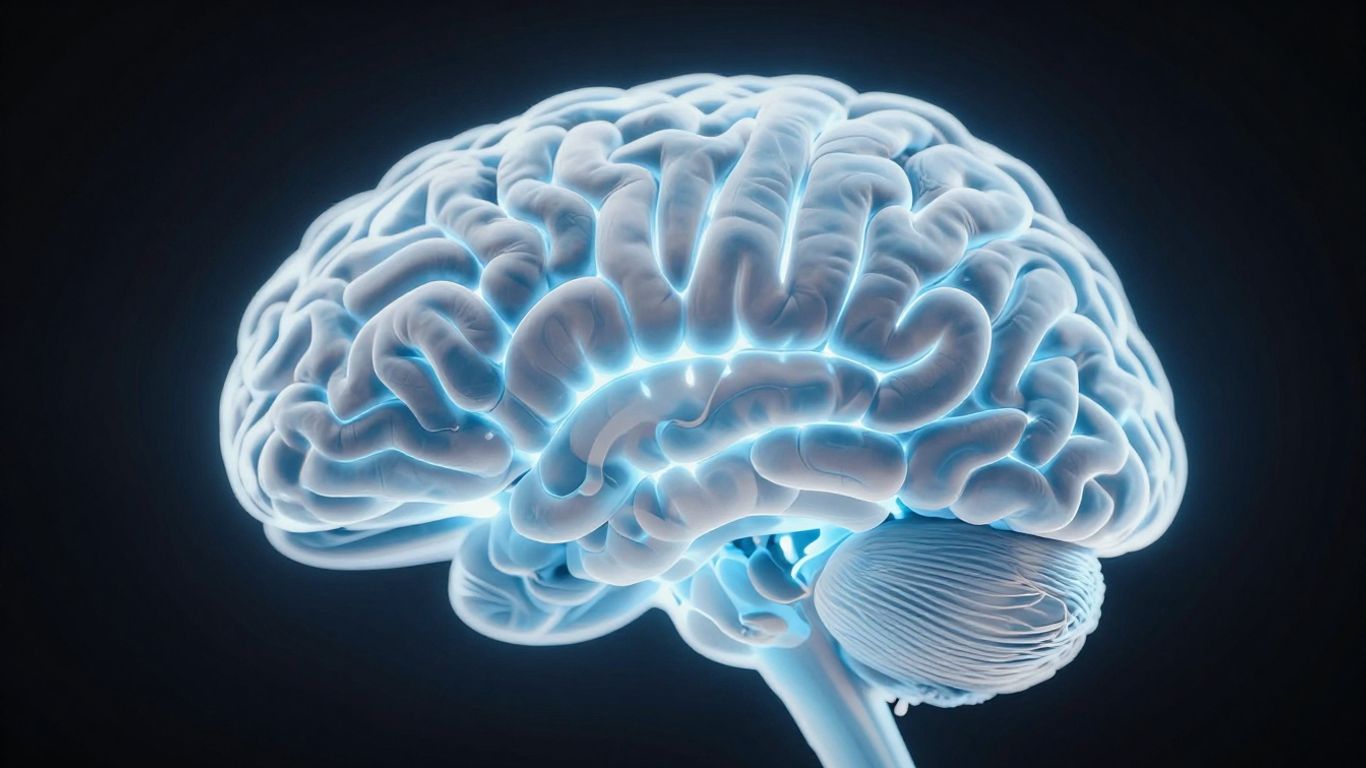
The prefrontal cortex, which acts as the executive control center of the mind, shows measurable growth in those who engage in long-term contemplative practices. This maturation process enhances our capacity for complex decision-making and impulse control. By supporting higher-order executive functions, these biological shifts ensure that the mind remains sharper as we navigate daily complexities.
Strengthening the hippocampus and memory consolidation
Research indicates that the hippocampus, a brain region critical for learning and memory, undergoes significant refinement through disciplined mindfulness. This region is responsible for consolidating complex emotional and physical memories, effectively turning short-term experiences into long-term stored knowledge. The physical density of this area is often higher in veteran practitioners compared to those who have never practiced.
Changes in the somatosensory cortex through mindfulness
When we look at the somatosensory cortex, we see distinct morphological changes that correspond to how we process physical sensations. These changes allow for more nuanced bodily awareness and a greater capacity for self-regulation. The following table illustrates the observed anatomical changes across different brain regions as documented in current research:
| Brain Region | Primary Change | Associated Cognitive Benefit |
|---|---|---|
| Prefrontal Cortex | Increased Cortical Thickness | Executive Control |
| Hippocampus | Enhanced Density | Memory Retention |
| Somatosensory | Refined Sensory Processing | Bodily Awareness |
These anatomical improvements signify a clear shift in neurological efficiency. As the physical structure of these areas moves toward a more optimized state, the individual’s daily interactions with their surroundings become more deliberate and less reactive.
Amygdala shrinkage and emotional resilience
The relationship between the amygdala and the fear response
The amygdala is often recognized as the primary engine for our fight-or-flight response when faced with stress or fear. When an individual engages in long-term meditation, this region of the brain has been shown to exhibit a decrease in volume, which correlates with a reduced reactivity to stressors. This shrinkage is not a loss of function but rather a shift in how the brain interprets external threats.
Diminishing the physiological impact of chronic stress
The ability to buffer against chronic stress is one of the most practical benefits of a long-term mindfulness practice. By dampening the signals produced by the amygdala, the brain prevents the flooding of stress hormones that would otherwise lead to physical wear and tear on the body. This protective effect ensures that stress, while inevitable, does not translate into long-term physiological deterioration.
Improving long-term subjective emotional regulation
Emotional stability is a hallmark of sustained brain training, as the brain learns to modulate its response to negative emotional stimuli more effectively. Rather than being hijacked by sudden emotional spikes, the seasoned practitioner often maintains an internal equilibrium. This mastery of one’s own mood represents a shift from reactive habits to intentional composure, significantly improving quality of life.
Enhancing functional connectivity across brain networks
Modulating the default mode network and the monkey mind
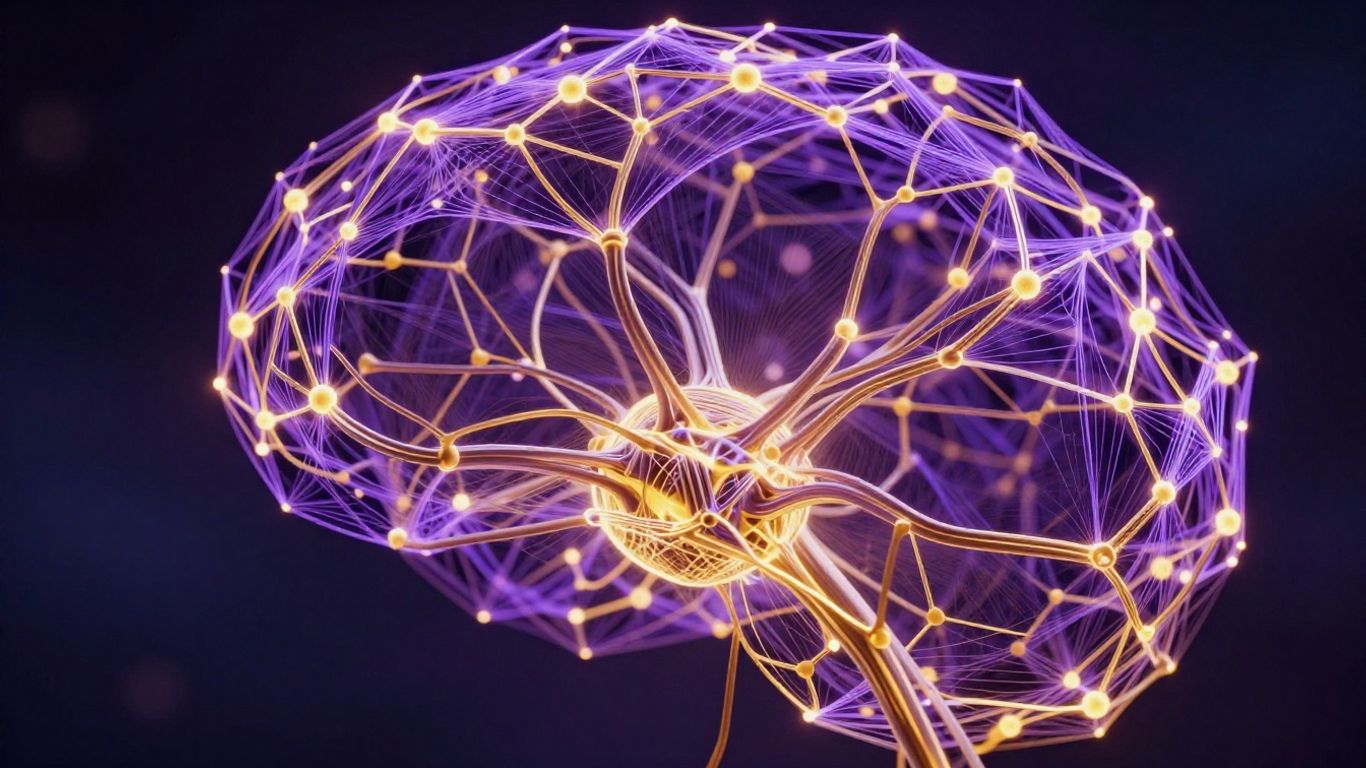
The default mode network is typically active when the mind wanders, leading to the common experience of a distracted, restless state. Through consistent training, practitioners can quiet this network, minimizing introspective rumination. This refinement of neural activity is explored in depth through the Colloquy Podcast and its coverage of neuroscientific inquiry.
Improving signal efficiency between distant brain regions
Signal efficiency across the brain is not merely about the speed of firing neurons but the coordination between distinct, distant functional areas. Advanced meditators often exhibit high levels of integration, effectively making their brain a more unified system rather than a collection of siloed compartments. Consider the following key improvements in network integration:
- Enhanced cross-hemispheric communication for balanced thought.
- More efficient signal transmission between executive and sensory systems.
- Integrated connectivity that reduces redundant, unproductive neural firing.
These improvements allow for a more streamlined, effective approach to information processing that persists long after the meditation session concludes.
Neural synchronization during and after meditation
Neural synchronization is the phenomenon where different parts of the brain fire in rhythm, reflecting a state of unified cognitive focus. Recent work exploring whole-brain structure and function has provided evidence that this rhythm can stabilize even in the absence of an active meditation session. This means the ability to achieve a harmonious state of brain activity becomes a stabilized trait rather than a fleeting experimental condition.
Meditation as a shield against cognitive aging
Slowing the cellular degradation of gray matter
Cognitive aging often manifests through a natural, gradual thinning of the gray matter of the brain. Regular meditation acts as a protective factor, potentially slowing this cellular degradation process. While we cannot stop the passage of time, the practice allows for the preservation of essential neural tissue, keeping the brain vibrant well into later years.
Maintaining cognitive flexibility in advancing age
Flexibility in thinking requires the brain to remain adaptable to new environments and unexpected challenges. By keeping the neural pathways engaged and plastic, meditation helps maintain this quality of thought regardless of one’s chronological age. This preservation of flexibility is critical for lifelong problem-solving and psychological health.
Potential neuroprotective benefits for neurodegenerative decline
While research is ongoing, the evidence points toward potential neuroprotective benefits for the aging brain. By fostering a healthier, more connected neural environment, meditative practice may help mitigate the risk factors associated with cognitive decline. These indicators of protection are encouraging for those looking to maintain their mental acuity as a priority for healthy aging.
Clinical implications and future research directions
Integrating meditation into standardized mental health therapies
Moving forward, the clinical integration of mindfulness into health therapies is becoming a standard expectation. By utilizing evidence-based protocols, clinicians are finding that patient outcomes for anxiety and depression significantly improve when these tools are included. This represents an important shift in how we approach the treatment of common mental health disorders.
Establishing the threshold for dosage and frequency
Determining the right "dose" of meditation is a critical challenge, yet initial data suggests that consistency matters far more than an extreme duration of a single session. Researchers are now working to identify the minimum viable frequency required to realize these tangible structural modifications. This knowledge will help tailor recommendations for patients seeking objective results from their practice.
Addressing clinical limitations in current longitudinal studies
Many existing studies are limited by shorter timeframes or non-standardized training methods, which complicates our ability to draw definitive conclusions. Future longitudinal studies are needed to track participants over several decades to map the precise trajectory of neural change. By clarifying these limitations, scientists can move toward a more universal understanding of how these interventions impact human health over a full lifespan.
Conclusion
Decades of empirical data confirm that meditation is not merely a method for finding temporary peace; it is a profound biological intervention that reshapes the brain’s structure and functionality. By fostering neuroplasticity, strengthening critical areas like the prefrontal cortex and hippocampus, and silencing the chatter of the default mode network, practitioners can build a more resilient and efficient mind. As research continues to refine our understanding, it is clear that consistent engagement provides a robust safeguard against the natural ravages of aging, ultimately promising a future where cognitive longevity is accessible to anyone willing to put in the time.
Frequently Asked Questions
How long does it take for meditation to change the brain?
While functional changes can be observed within a few weeks of consistent practice, structural alterations typically require prolonged, dedicated engagement over several months or years.
Does meditation improve memory in the long term?
Yes, meditation helps by strengthening the hippocampus, which is the primary region involved in the consolidation of new memories and the retention of old, complex information.
Can meditation truly reverse the signs of brain aging?
Meditation is less about reversal and more about preservation; it helps maintain the density of gray matter and safeguards neural pathways against the gradual decline common in older age.
Is one type of meditation better for brain health than others?
Most research focuses on mindfulness-based approaches, as these emphasize present-moment awareness, which appears to be the most effective mechanism for achieving measurable neuroplastic outcomes.
Do I need to meditate for hours a day to see results?
No, volume is secondary to regularity; brief daily sessions are consistently found to be more effective than intermittent, hour-long practices for long-term brain health.
Can meditation help with emotional regulation in children?
Research suggests that the same mechanisms of amygdala modulation and prefrontal growth are applicable to younger brains, offering potentially lasting benefits for emotional self-regulation as they mature.
Are there any risks to long-term meditation?
Most participants find it beneficial, though individuals with pre-existing traumatic histories may occasionally encounter intense emotional experiences, suggesting that beginning a practice with professional guidance is often the safest path.

0 Comments