


Key Takeaways
Daily meditation practice offers more than just temporary calm by physically altering neural pathways that govern emotional responses. The following points summarize how targeted mindfulness training influences the brain’s central alarm system:
- Strengthening the connection between the prefrontal cortex and the amygdala improves emotional regulation.
- Regular practice leads to measurable changes in gray matter density within key emotional processing centers.
- Meditation helps to decouple external stressors from automatic, impulsive behavioral outcomes.
- Neurological shifts occur even outside of active meditation, providing lasting benefits for daily resilience.
- Long-term commitment to mindfulness correlates with lower physiological arousal in high-stress situations.
Understanding the amygdala and emotional reactivity
The human brain is equipped with a sophisticated alarm system that has ensured our survival for millennia, responding instantly to potential threats before we are even consciously aware of them. This process is largely orchestrated by the amygdala, a small, almond-shaped cluster of nuclei located deep within the temporal lobe, which constantly monitors our environment for cues that signal danger. While this rapid reaction was vital for avoiding predators in the wild, it frequently misinterprets modern life stresses as immediate threats, leading to excessive anxiety or unnecessary outbursts in current contexts.
Anatomy and primary function of the amygdala
The amygdala serves as the primary processing center for emotions, specifically acting as the brain’s sentinel for detecting fear and triggering survival behaviors. It receives sensory information from the thalamus and quickly evaluates it for emotional significance, essentially deciding whether an event warrants an immediate, aggressive, or evasive manual override of our logical faculties.
The mechanics of the fight-or-flight response
When the amygdala perceives a threat, it directs the hypothalamic-pituitary-adrenal axis to release cortisol and adrenaline, which prepares the body to either stand and fight or flee the danger. This response is highly efficient at increasing alertness and heart rate, yet it shuts down the more complex, higher-order thinking performed by the prefrontal cortex.
| Response Stage | Physiological Effect | Impact on Behavior |
|---|---|---|
| Detection | Amygdala activation | Rapid scanning |
| Activation | Hormone surge | Heightened intensity |
| Processing | Prefrontal inhibition | Reduced reflection |
| Resolution | Recovery phase | Return to focus |
By comparing these stages, we can see how the body maintains a balance between immediate survival needs and the subsequent return to calm, though persistent activation can hinder optimal mental functioning.
How the amygdala contributes to impulsive reactions
Because the amygdala operates at such high speeds, it often prioritizes efficiency over accuracy, leading to instances where we overreact to benign social situations as if they were life-altering crises. When the neural pathways connecting the analytical prefrontal cortex to this instinctual hub are weak, we find ourselves unable to pause between a stimulus and our reaction, effectively becoming passengers to our own emotional impulses.
The neurobiology of mindfulness practice
Research has increasingly confirmed that the structures responsible for our emotional regulation are not fixed, but rather dynamic components capable of change through sustained effort. As we engage in mindfulness meditation training, the brain learns to recruit different regions to modulate those alarm signals, gradually reducing the dominance of our reflexive, instinctual wiring. This transformation suggests that we can actively cultivate a calmer brain state through routine practice.
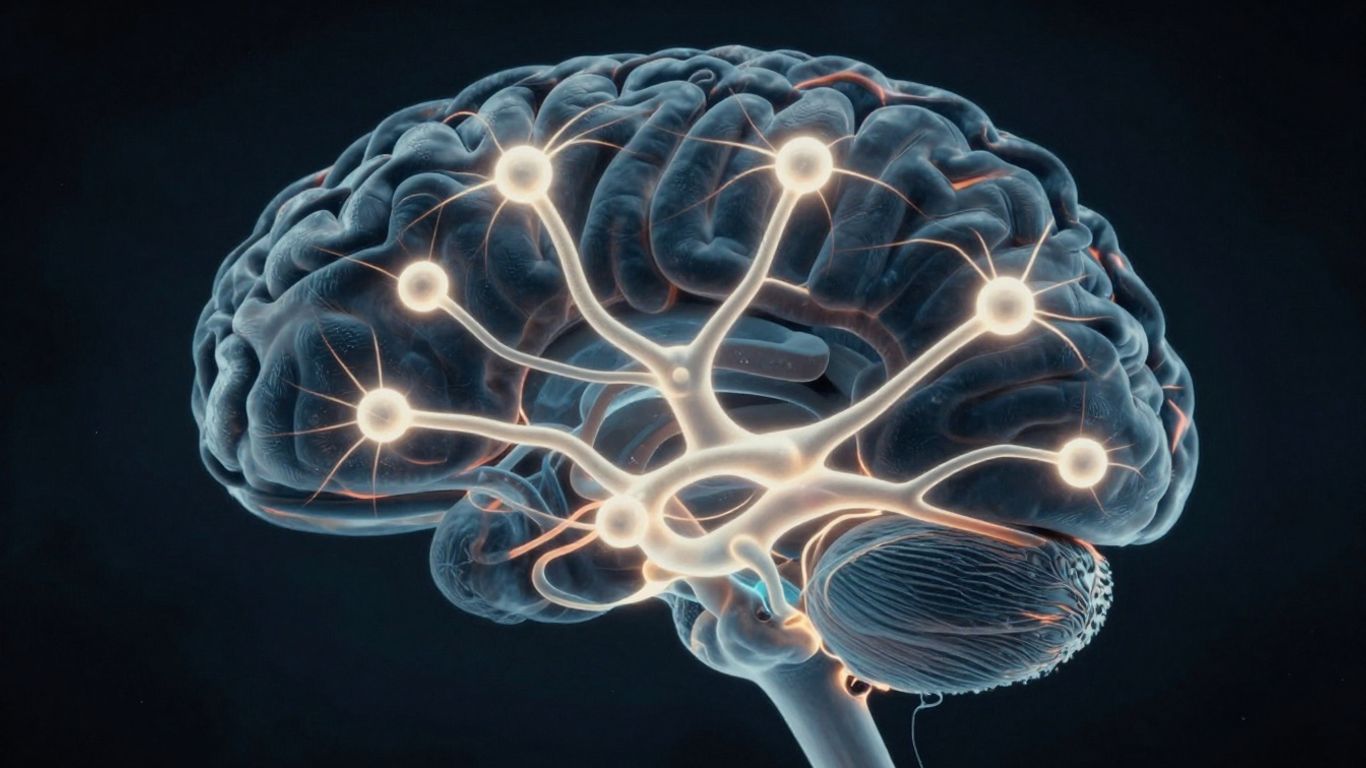
Neuroplasticity and how the brain changes through meditation
Neuroplasticity is the remarkable capacity of the brain to rewire itself based on experience, and this phenomenon is central to understanding how meditation alters our inner landscape. By repeatedly choosing to focus our attention, we strengthen particular neural circuits, effectively turning mental exercise into physical changes within existing gray matter, which is an important step in reshaping your brain through improved inter-connectivity.
Cortical thinning and gray matter density in the amygdala
Some studies have indicated that consistent mindfulness participants show measurable shifts in the density of gray matter, particularly in regions that are traditionally responsive to stress and emotional arousal. While the brain is a complex organ, the observation that these areas become less reactive suggests that our nervous system adapts to the regular state of calm we provide during practice sessions.
Strengthening pathways between the amygdala and the prefrontal cortex
One of the most significant neurological outcomes of regular practice is the enhancement of the executive control network that bridges our logical and emotional centers. This improved connectivity allows the prefrontal cortex to exert a stronger inhibitory hold on the amygdala, helping us maintain mental clarity whenever we encounter taxing or difficult situations.
How meditation alters the brain’s alarm system
When we train our focus during meditation, we are essentially teaching ourselves to observe our internal alarms without needing to engage with them immediately. This new way of observing our own consciousness acts as a dampening mechanism on our automatic sympathetic nervous system responses. Consistent practitioners experience lasting changes in their neural responses that persist even when they are going about their day and not actively meditating.
Decoupling the stimulus from the behavioral response
Meditation encourages us to create a buffer of space between a trigger and our subsequent response, which is a major shift from automatic reactions. Implementing this strategy requires consistency, and you might find that small, daily habits make a significant difference in how you process frustration:
- Practice deep, intentional breathing to signal safety to your bodily nervous system.
- Label your emotions as they arise to prevent them from overwhelming your cognitive function.
- Observe the physical sensations of stress without immediately attempting to suppress them.
- Gradually increase your daily meditation duration to sustain long-term focus gains.
By following these steps, you learn to respond with intention rather than reacting to the first surge of alarm you feel when facing common daily challenges.
Mechanisms of emotional regulation during high-stress moments
In the heat of a stressful encounter, the refined regulation skills can come to the forefront, preventing the high-jacking of the rational brain by the amygdala. This regulation is partly facilitated by the increased recruitment of top-down inhibitory pathways that calm the body’s internal inflammatory and adrenaline responses.
Shifting from reactive to reflective processing modes
Moving from a state of raw reactivity to one of reflective processing is the hallmark of emotional maturity, which is directly supported by enhanced brain communication. Instead of the amygdala holding total authority over our behavioral output, we begin to utilize our wider cognitive resources, which allows us to view challenges from a broader perspective.
Key research findings on meditation and the amygdala
Scientific interest has accelerated rapidly over the past few years, providing robust evidence for how meditation and amygdala function relate on a measurable level. These findings provide clarity on exactly what happens at a biological level when a person commits to a long-term practice.

Evidence from fMRI studies on neural connectivity
Functional magnetic resonance imaging has allowed experts to observe live brain activity, revealing that experienced meditators show different connectivity patterns when viewing emotionally evocative stimuli compared to control groups. These images confirm that the communication channels between regions related to emotion and attention are frequently busier and more efficient in trained brains.
Differences in amygdala response between novices and experts
While novices often experience high levels of initial activity in the emotional center when presented with uncomfortable imagery, experts show a notably dampened response that signals a more balanced internal baseline. This difference highlights how years of practice can lead to a fundamental recalibration of how we interpret external signals.
Correlation between sustained practice and lower physiological arousal
Long-term consistency is key, as data shows that those who maintain a steady practice often exhibit lower heart rates, cortisol levels, and blood pressure under stress. These indicators suggest that the mental training affects the entire body, demonstrating how meditation offers stress relief that is both tangible and measurable.
Practical application for long-term emotional resilience
Turning neurological research into practical life habits requires a balanced mix of patience and regularity. While the brain is highly adaptable, it depends on consistent cues to reinforce these new neural pathways and ensure they become our default way of responding to world events.
Developing a sustainable daily meditation habit
Building a lasting habit does not require hours of time, but rather a commitment to showing up even for shorter sessions on busy days. Consistency signals to the brain that these calming pathways are valuable and should remain prioritized, which helps in maintaining the benefits of neural plasticity over months and years.
Techniques for accessing the relaxation response during triggers
When we are triggered, the ability to consciously tap into the relaxation response can prevent us from falling into old, destructive patterns. As ancient wisdom reminds us:
The ability to pause between the feeling and the action is the foundation of emotional sovereignty and the greatest tool a human can possess in the modern world.
This deliberate pause gives the prefrontal cortex enough time to override the amygdala’s alarm, ensuring our subsequent actions align with our values rather than our raw anxiety.
How consistent training leads to lasting neurological shifts
With ongoing practice, these transient moments of calm contribute to permanent modifications in how our neural architecture is structured. Over time, the brain becomes more naturally inclined toward balanced regulation, making it easier to return to a baseline state of clarity even after disruptive events.
Bridging the gap between neuroscience and daily life
Applying these concepts in your living room or office is about more than just knowledge; it is about practice. Mindfulness is a skill that requires active engagement, much like learning to exercise or playing an instrument, and it can support amygdala regulation through daily application of breathwork and cognitive awareness.
Mindfulness as a cognitive tool for emotional management
We can utilize these insights to view our emotions as data rather than directives, giving us the freedom to process the world more objectively. By treating your mind as a place of exploration, you gain the skills needed to filter out the noise and focus on what truly matters to your well-being.
Managing expectation and patience in the early stages of practice
The early stages are often challenging because we expect immediate results, yet biological changes require time and persistence to solidify. Finding comfort in your current level of progress will prevent early discouragement and allow the natural development of your cognitive capabilities to unfold.
Integrating breathwork to support amygdala regulation
Breathwork serves as a direct bridge between your conscious mind and your autonomic nervous system, providing a physical anchor for your awareness. By slowing the breath, you signal to your amygdala that you are safe, providing the necessary window of time for your prefrontal cortex to regain its equilibrium.
Conclusion
By understanding the intricate dance between our ancient emotional centers and our analytical brain, we gain a valuable perspective on how to live with greater intention. Consistent mindfulness acts as a profound tool for physical neural change, shifting our default mode from reactive to responsive and enabling a steadier, more resilient life experience.
Frequently Asked Questions
Can meditation fix a stressed brain permanently?
While nothing in the brain is truly permanent due to its constant state of neuroplasticity, sustained meditation can lead to long-lasting changes in emotional reactivity that persist long after the practice concludes, provided the habit is maintained.
How long does it take to see changes in the brain?
Research indicates that measurable changes in neural connectivity and amygdala response can begin to manifest within eight weeks of daily consistent practice, though results vary from person to person.
Does meditation remove all negative emotions?
Meditation does not eliminate negative emotions but rather changes our relationship to them, allowing us to witness stress or anger without becoming completely consumed or triggered by those feelings.
Why does the amygdala trigger such intense reactions?
It is evolutionarily designed to protect us by acting faster than our conscious thoughts, making it an essential survival component that simply struggles to differentiate between physical threats and modern social anxieties.
Is one type of meditation better for emotional control?
Both mindful attention and compassion-based meditation have been shown to influence the amygdala, so the most effective approach is generally the one that you find sustainable and enjoyable enough to practice regularly.
Can anyone train their brain to be more resilient?
Yes, the brain is neuroplastic throughout the adult lifespan, meaning anyone can cultivate better emotional regulation skills regardless of their age or starting point.
Should meditation replace other forms of emotional support?
Meditation is a powerful complementary tool for emotional well-being but should be utilized alongside other support systems like therapy or medical guidance if you are dealing with significant emotional or mental health challenges.

0 Comments