


Key Takeaways
Ongoing stress can significantly impact the structure and function of your brain, particularly the area responsible for memory. Understanding these biological mechanisms is the first step toward building resilience and seeking appropriate support.
- Prolonged stress elevates cortisol, which can damage neural networks.
- Hippocampal volume loss is a documented physical response to enduring stress.
- Chronic stress, if unaddressed, contributes to long-term memory impairment.
- Neuroplasticity offers a pathway for partial recovery of brain function.
- Targeted therapies provide tools for rebuilding cognitive and emotional health.
The anatomy and function of the hippocampus
The hippocampus is a complex structure located deep within the temporal lobe, serving as a critical architect for how we interpret our world. It functions as a sorting center for incoming information, deciding which experiences are worthy of storage in long-term memory and which can be discarded. Without this vital region, we would struggle to link new information to past knowledge.
Primary roles in memory and learning
This area is indispensable for forming declarative memories, which are the facts, figures, and events we consciously recall. Through complex neural encoding, it helps stabilize new information. If you’re wondering how this process falters as we age or face stress, memory center decline provides helpful insights on why this happens.
Spatial navigation and cognitive mapping
Beyond memory, the hippocampus functions as your internal global positioning system. It allows you to create mental maps of your environment, helping you navigate physical space with ease. This mapping function is often one of the first areas to show wear during periods of intense, unrelenting pressure.
The hippocampus as a hub for emotion regulation
This region is not just about recall; it also serves as a check-and-balance system for our emotional responses. By linking emotive stimuli to context, it helps prevent us from being overwhelmed by every minor stressor we encounter in daily life.
Understanding chronic stress and its biological impact
The biological reality of stress extends well beyond a feeling of being rushed or overwhelmed. When stress becomes a constant companion, the internal systems meant to protect us eventually start to cause damage to delicate brain tissues.
Cortisol production and the HPA axis
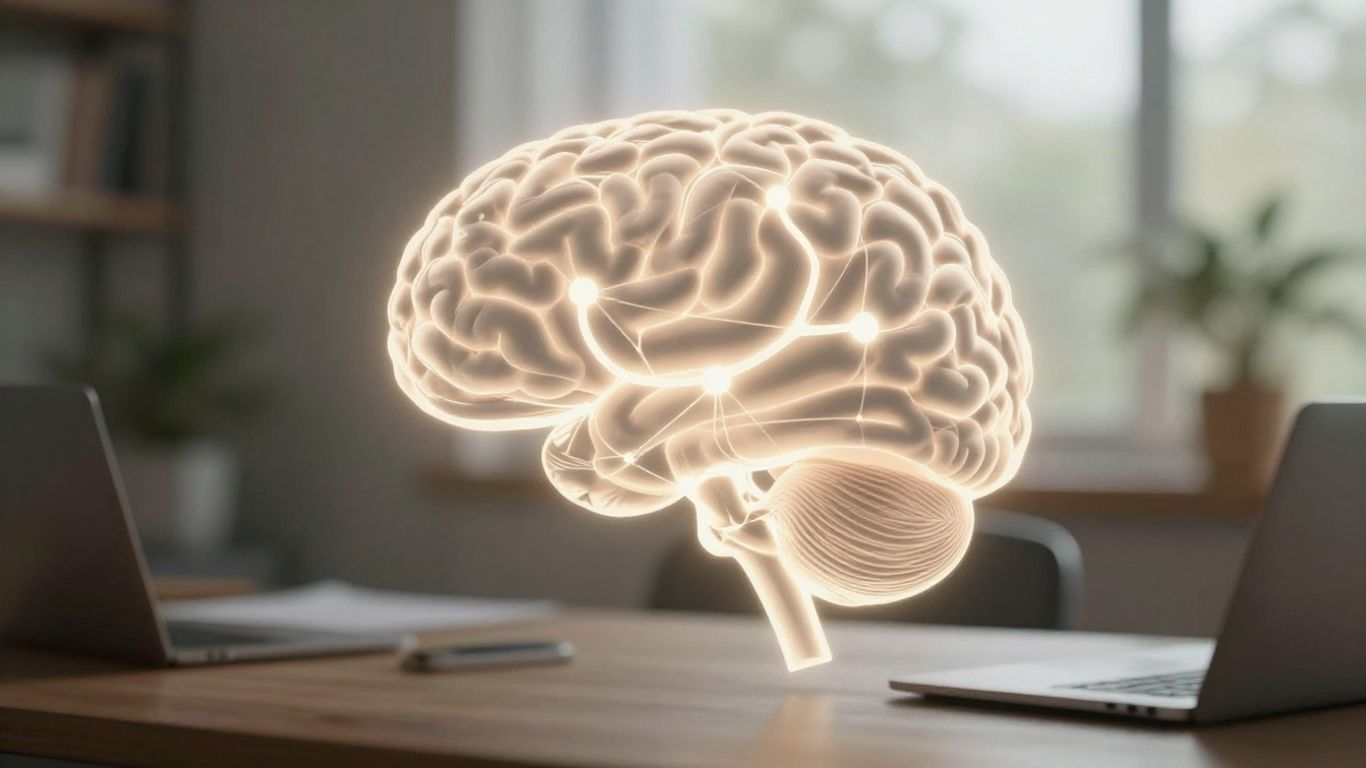
When you perceive a threat, the hypothalamus, pituitary, and adrenal (HPA) axis initiates a cascade of hormonal events. This leads to the release of cortisol, a hormone vital for immediate survival but potentially toxic when maintained at high levels for months or years.
How prolonged glucocorticoid exposure affects neurons
Extended exposure to glucocorticoids can literally alter the way your neurons communicate and survive. Research into these interactions shows that uncontrollable stress impact is not just subjective but observable through changes in neuronal morphology and reduced proliferation of new cells.
The physiological difference between acute and chronic stress
Acute stress is a temporary alarm, whereas chronic stress is a persistent state that prevents the body from returning to its baseline. One significant consequence of this persistent state is that chronic stress hippocampus shrinkage occurs as a result of prolonged cortisol toxicity affecting neural health.
Scientific evidence linking stress to hippocampal volume loss
Recent scientific inquiries have solidified the connection between mental exhaustion and physical changes in the brain. Investigators have observed that long-term strain correlates with smaller brain structures in key areas associated with recall.
Key findings from longitudinal imaging studies
The longitudinal data indicates that when people experience high levels of stress for long periods, their neural health declines. To illustrate the scope of these changes, we can look at data comparing volume variations among different populations:
| Observation Group | Avg. Hippocampal Volume | Cognitive Performance Level |
|---|---|---|
| Low Stress Controls | 4.2 cm3 | High |
| Moderate Stress | 3.9 cm3 | Moderate |
| Chronic Stress | 3.5 cm3 | Impaired |
Comparing animal model research with human clinical data
Animal studies confirm that stress-induced hippocampal shifts involve a reduction in neurogenesis and a decrease in brain-derived neurotrophic factor. These findings align closely with clinical imaging seen in human PTSD patients, where similar patterns of atrophy are frequently documented.
Correlating memory deficits with volumetric brain changes
There is a notable correlation between smaller hippocampal size and the inability to store or retrieve memories effectively. This is not anecdotal; it represents a physical limitation where specific brain pathways might need targeted attention, such as the programs offered by Embodied Wellness and Recovery.
Factors influencing individual vulnerability
Not everyone who faces stress experiences the same level of neural damage. Biological and environmental factors play a massive role in whether an individual’s hippocampus remains resilient or suffers atrophy over time.

Genetic predispositions to stress resilience
Some individuals possess genetic variants that allow them to process stress hormones more efficiently. This inherent chemistry buffers their brain against the corrosive effects of cortisol, keeping their cognitive structures intact even through turbulent life stages.
The impact of early-life trauma on brain development
Early-life experiences can shape how the HPA axis matures, creating a lifelong sensitivity to stressors. Researchers observe that this early programming can heighten an individual’s risk for structural changes if stress remains unchecked throughout adulthood.
Comorbid health conditions and their additive effects
Conditions like diabetes, depression, or hypertension can exacerbate the effects of cortisol. To manage these, many turn to resources like Embodied Wellness and Recovery to understand how addressing physical health helps in reclaiming cognitive balance, as chronic stress can trigger a cascade of systemic issues, including:
- Heightened blood pressure spikes.
- Impaired blood sugar regulation.
- Reduced ability to regulate emotional responses.
- Lowered cognitive performance during taxing tasks.
Is hippocampal atrophy reversible?
While the concept of shrinking brain volume sounds permanent, scientific advances suggest that the brain is remarkably capable of repair when given the right conditions. Neuroplasticity, the ability of the brain to reorganize itself, can be supported through intentional lifestyle changes.
Exploring the science of neuroplasticity
The brain constantly adapts to the environment and the demands we place upon it. By reducing the overall cortisol load, we can stop the ongoing damage, allowing the brain to enter a state of recovery rather than decay.
The role of aerobic exercise in fostering neurogenesis
Cardiovascular movement is one of the most effective tools for increasing neurogenesis. By increasing blood flow and oxygenation, aerobic exercise encourages the production of proteins that support neuron survival.
Lifestyle modifications to support brain health
Beyond exercise, consistent sleep, a nutrient-dense diet, and stress-reduction techniques form the foundation. When you minimize the constant "always-on" stress, the hippocampus has the necessary space to stabilize and potentially improve in functional capacity.
Therapeutic interventions for mitigating chronic stress
For those who feel their stress levels have become unmanageable, professional guidance is crucial. Approaches like the trauma-informed care at Embodied Wellness and Recovery offer proven methods to reclaim resilience, helping to reverse the negative trajectory caused by long-term hormonal strain.
Distinguishing temporary changes from structural damage
It is helpful to separate the concept of structural loss from simple functional dampening. Not all "shrinkage" implies cell death, as many changes represent dendritic remodeling that is potentially reversible.
Analyzing reversible dendritic remodeling versus cell loss
When neurons retract their branches, the structure appears smaller on a scan, even if the primary cells are still alive. This kind of remodeling can often be reversed if the source of stress is removed.
The limitations of current brain imaging technology
Modern imaging, while advanced, often struggles to differentiate between temporary atrophy and permanent loss in the short term. This limitation must be understood in clinical contexts to avoid unnecessary alarm regarding one’s cognitive state.
Clinical perspectives on the semantics of brain shrinkage
Doctors often emphasize that "shrinkage" is a general term describing volumetric loss. Because long-term brain shrinkage is nuanced, clinical discussions should focus on individual patient trajectories rather than generic labels.
Conclusion
While chronic stress clearly exerts a toll on the hippocampus, understanding this process provides a roadmap for recovery rather than a final diagnosis. By managing cortisol levels, embracing neuroplasticity-positive habits, and seeking evidence-based support, one can actively mitigate the risk of long-term impairment and foster a more resilient brain.
Frequently Asked Questions
Can stress actually make my brain smaller?
Yes, persistent, high levels of cortisol can lead to measurable changes in the volume of the hippocampus, which is the region primarily responsible for memory and spatial orientation.
Does this memory impairment ever get better?
Many symptoms of stress-related memory impairment are not permanent, and with lifestyle adjustments or appropriate professional intervention, cognitive function can often be restored over time.
What are common signs that stress is affecting my memory?
Difficulty focusing, frequent forgetfulness, struggling to find words, and an increased sense of feeling overwhelmed by everyday tasks are common indicators.
How long does it take for stress to impact the hippocampus?
There is no fixed timeline, as individual resilience varies greatly based on genetics and health, but chronic, unremitting stress can begin to manifest changes over months.
Is aerobic exercise the only way to help neurogenesis?
While aerobic exercise is among the most effective methods, restorative sleep, a healthy diet, and stress-reduction practices are equally important for supporting neural health.
Are there specific medical treatments for stress-induced memory loss?
Therapy and sometimes medication are used to manage the underlying stressors and treat associated conditions like depression or anxiety, which directly supports hippocampal restoration.
Should I be worried about dementia if I am chronically stressed?
Chronic stress is a risk factor that can weaken brain health over time, but it is not a direct guarantee of dementia; proactive management can significantly reduce long-term risks.

0 Comments