


Key Takeaways
Understanding how we experience our internal world is a foundational step toward long-term mental health. By learning to tune into bodily sensations, we can better manage emotional responses and improve our overall state of well-being.
- Interoception acts as the brain’s private message service from internal organs.
- Accurate perception of heart rate and breath can help in managing anxiety.
- The brain uses predictive models to interpret physiological signals before conscious thought.
- Poor awareness of these signals often leads to burnout and emotional dysregulation.
- Targeted techniques like body scanning can significantly strengthen interoceptive accuracy.
What is interoception?
Interoception involves the continuous flow of signals from the body to the brain that provide information about our internal condition. These signals tell us when we are thirsty, hungry, or even when our heart rate is increasing due to external events. Recognizing the importance of this inner dialogue is essential for anyone interested in interoception stress awareness science and its role in human health.
Defining the internal sense
At its simplest, this sense is the conscious or unconscious perception of internal signals coming from your organs and tissues. Unlike our five external senses which help us map our surroundings, this system focuses entirely on what is happening inside the biological machine. It exists fundamentally to maintain homeostasis, ensuring that bodily systems remain balanced throughout the day.
The role of physiological receptors
Inside our organs, specialized sensors constantly measure shifts in pressure, chemistry, and temperature, transmitting this data through neural fibers. These receptors provide the raw input necessary for the brain to monitor vitals without us needing to check a pulse manually. Without these tiny, ever-active nerve endings, we would be entirely oblivious to the foundational needs of our own structures.
Differentiating interoception from proprioception
While they are often confused, proprioception refers specifically to the sense of your body’s movement and position in space, such as knowing where your hands are while typing. In contrast, this internal sense is strictly concerned with physiological status rather than biomechanical orientation. Knowing your leg is raised is proprioception, while knowing your leg feels warm or that your pulse is elevated is its internal counterpart.
How the brain decodes bodily signals
Our brains possess an intricate communication network that interprets millions of sensory inputs every second to ensure we survive and thrive. This processing happens below the level of conscious thought for the most part, though it significantly shapes our mood and behavior. Research into this process reveals that our understanding of internal states is anything but random.
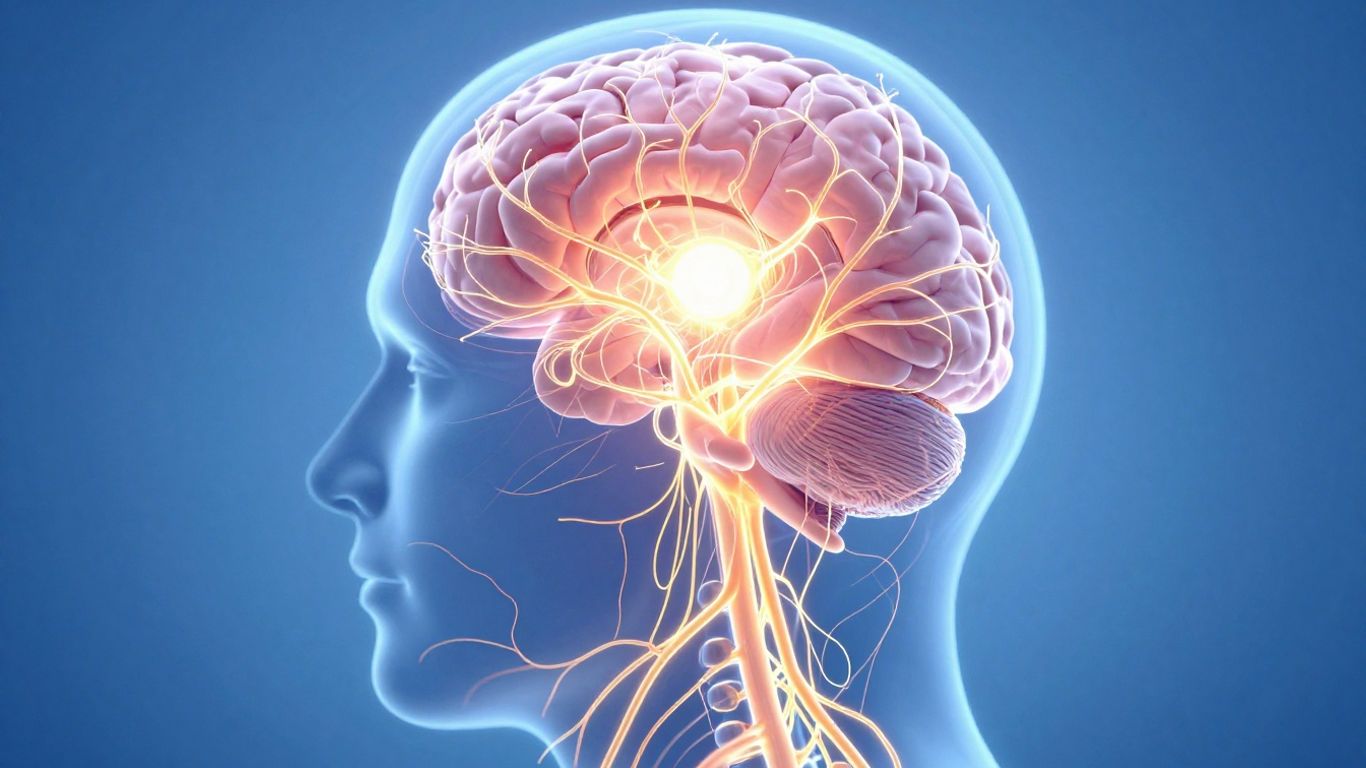
Primary neural pathways from body to brain
Signals travel along well-defined nerve pathways until they arrive at the thalamus, which serves as a massive relay station. From there, the data is distributed to specific regions that prioritize immediate survival needs. The table below illustrates the hierarchy of how common sensations are routed and initially categorized by the central nervous system:
| Sensation Type | Primary Receptor | Processing Region |
|---|---|---|
| Heartbeat | Baroreceptors | Thalamus |
| Hunger | Chemoreceptors | Hypothalamus |
| Temperature | Thermoreceptors | Insula |
The insular cortex as the interoceptive hub
Once the input clears the initial relay, it lands largely in the insular cortex, which acts as the primary hub for interpretation. This region integrates various disparate inputs to create a cohesive ‘feeling’ state. It is here that raw physiological data finally turns into a recognizable emotion or urge that we can act upon.
Predictive processing and the brain’s internal model
Modern neuroscience suggests the brain is a predictive organ that doesn’t just react to the body but anticipates its needs based on previous experience. It generates a predictive model that suggests what we should feel before the signal is even fully processed. When the model matches the incoming feed, we remain calm, but mismatches result in the sudden awareness of ‘something being off’.
The intersection of interoception and stress
When we experience heightened tension, our bodies provide a barrage of signals that the brain must decode in real-time. Often, that feeling of dread is just the brain reacting to a cascade of physiological alerts it hasn’t properly labeled. Improving our ability to read these specific markers is a major component of psychological resilience.
Recognizing the physical precursors of anxiety
Anxiety rarely arrives without an invitation from the body, typically manifesting in rapid heart rates or shallow breathing long before we feel mentally distressed. For many, the physical tightness in the chest or stomach acts as an early warning alert. Paying attention to these precursors allows for earlier intervention before the psychological impact becomes fully realized.
The fight-or-flight response under the interoceptive lens
When the brain views the body as being under threat, it triggers a cascade aimed at preservation. This includes mobilizing energy and shifting resources away from non-essential functions like digestion. During these moments, the internal sensations become intentionally intense to ensure we prioritize the threat over all other thoughts.
How chronic stress alters internal signaling
Persistent pressure can dampen the clarity of these signals, leading to either an over-sensitivity or a total lack of awareness. When the system remains on high alert for too long, the brain eventually loses its ability to accurately distinguish between real external danger and harmless bodily fluctuations. This breakdown is frequently observed in individuals suffering from long-term burnout.
Signs of poor interoceptive awareness
Lacking this awareness can make everyday self-regulation feel like a constant struggle, as internal states go unnoticed until they become overwhelming. Many people move through life relying on external cues, completely disconnected from the nuanced messages their body sends about their actual state of exhaustion or stress.

Difficulty identifying subtle emotional states
Often, people struggle to name their feelings, describing them only as ‘bad’ or ‘weird’ instead of identifying them as anxiety, sadness, or fatigue. This cognitive barrier prevents proper management of the emotion because the brain hasn’t assigned a clear, usable label. Improving this identification often involves the following practices:
- Journaling about physical sensations during the day
- Practicing deliberate pauses to perform a body check
- Slowing down to label breath and muscle tension
- Seeking context for specific somatic changes
Overlooking early warning signs of burnout
Burnout is often a cumulative process that the body warns us about through subtle indicators like digestive shifts or consistent lethargy. If we don’t have the tools to recognize these signals, we ignore them until the energy tank is completely empty. By this point, the recovery process requires far more time and effort than if we had noticed the red flags earlier.
The prevalence of ignored somatic symptoms
Ignoring physical signals is a common habit in high-performance environments where productivity is valued over comfort. Over time, the body learns that its signals are being disregarded, which can actually cause it to send them even more urgently. This leads to chronic somatic discomfort that the individual eventually accepts as a ‘normal’ way to feel.
Evidence-based methods to enhance interoceptive awareness
Fortunately, this awareness is a skill that can be strengthened through practice and focused effort. Various structured protocols have been developed to help people reconnect with their physiological reality. These techniques are accessible to anyone and do not require specialized medical equipment.
Mindful attention techniques for physiological tracking
Starting a daily practice of simply counting your breaths or tracking the rhythm of your heartbeat can yield significant improvements. The goal here is not to change the sensation but to observe its intensity and variability without judgment. Consistent practice builds the neural pathways that allow for more accurate data collection from the body.
Breath awareness and structured body scanning
Taking time each evening to mentally scan the body from head to toe helps identify areas of tension that have gone unnoticed. By focusing specifically on the chest, abdomen, and toes, we can consciously release held tension. This habit normalizes the process of checking in, turning a reactive process into a proactive self-care routine.
Gradual exposure to physical sensations
For those who feel overwhelmed by physical signals, controlled exposure through exercise or sauna use can teach the brain that these sensations are safe. Feeling a racing heart during a workout and realizing it isn’t dangerous helps calm the brain’s alarm system. Over time, this decreases the threshold for anxiety triggered by common bodily changes.
The impact on long-term emotional regulation
Those who are better at perceiving their internal states tend to exhibit higher levels of emotional stability over time. By knowing exactly what is happening in the body, we can deploy the right coping strategy before a situation escalates. This is a vital asset for maintaining equilibrium in a busy world.
Improving self-compassion through accurate perception
When we understand why the body feels certain ways, we are less likely to criticize ourselves for those reactions. Recognizing that a spike in nerves is simply a physiological response to stress—rather than a character flaw—cultivates mercy. We treat ourselves with the same care we would offer a friend who is feeling unwell.
Enhancing decision-making through somatic markers
Decisions are rarely made in a purely rational vacuum, as our bodies provide ‘somatic markers’ that guide our choices. By listening to the gut feelings that manifest as physical sensations, we tap into a wealth of subconscious info that complements our analytical thinking. This enables a more balanced and effective approach to solving complex problems.
Scientific benefits for mental health and resilience
Ultimately, researchers have found that this form of awareness correlates with greater emotional flexibility and lower symptoms of distress. It allows for a more personalized response to life’s challenges, as we are no longer guessing at our own needs. Strengthening this foundation is a key predictor of lasting stability and mental health.
Conclusion
Developing a refined sense of your own internal landscape is one of the most effective strategies for navigating life’s inevitable stresses. By bridging the gap between bodily sensation and cognitive interpretation, you can foster a sense of clarity and empowerment that benefits every aspect of your daily experience. Start by simply listening to the quiet messages your body provides, trusting that this awareness is the path toward a more resilient and balanced future.
Frequently Asked Questions
Can everyone improve their interoceptive awareness?
Yes, this skill is similar to a muscle that can be strengthened through consistent practice and attention over time.
Does this sense play a role in physical pain perception?
It is deeply connected to how we perceive pain, as our awareness of our bodily state determines how intensely we experience and react to noxious stimuli.
How long does it take to see results from sensory training?
Most individuals begin to notice subtle improvements in their ability to label their internal states within a few weeks of consistent practice.
Is it possible to have too much interoceptive awareness?
Yes, hyper-awareness can lead to excessive focus on minor bodily fluctuations, which may actually increase anxiety in some individuals.
What happens if I ignore these signals for too long?
Long-term suppression of internal signals can lead to increased vulnerability to burnout, chronic physical tension, and difficulty managing stress.
Can this awareness help resolve chronic anxiety?
Understanding the physical roots of anxiety can be a powerful tool in recovery, allowing for better management of symptoms and improved regulation.
Should I consult a professional for interoceptive training?
If you find these signals overwhelming, a trained professional can provide a safe framework to help you navigate your experiences.

0 Comments