

Proven Mindfulness
Exploring the proven links between mindfulness, mental clarity and physical health — practical insights for real people navigating real life.
Most mindfulness content makes the same mistake.
It asks you to simply trust the feeling — the calm, the clarity, the sense of something shifting. What it rarely does is explain why that shift happens, what's occurring in your brain, and what the research actually supports versus what's been overstated by the wellness industry.
That's what this site is for.
We translate peer-reviewed neuroscience, psychology research, and contemplative science into plain English for people who are curious about mindfulness but want evidence, not inspiration quotes.
You'll find articles on the neuroscience of meditation — what brain imaging studies actually show about long-term practitioners. The science of stress and how mindfulness intervenes at a physiological level. What attention researchers have discovered about mind-wandering and why it predicts unhappiness more reliably than your circumstances do.
The psychology of self-compassion, emotional regulation, and why the way you relate to your own thoughts matters more than most people realise.
No chakras. No transformation promises. No wellness hype.
Just the science, clearly explained.
Whether you've never meditated or you've been sitting for years and want to understand what's actually happening when you do — you're in the right place.

The Long-Term Effects of Meditation on the Brain: What 20 Years of Research Shows
Key Takeaways Exploring how ancient practices alter modern structures, this guide examines the neurological markers tied to consistent daily practice. Regular meditation enhances the gray matter density in critical brain areas. Emotional resilience stems directly from...

Meditation and the Amygdala: The Neuroscience of Why You React Less
Key Takeaways Daily meditation practice offers more than just temporary calm by physically altering neural pathways that govern emotional responses. The following points summarize how targeted mindfulness training influences the brain's central alarm system:...

How Meditation Strengthens the Prefrontal Cortex and Why That Changes Everything
Key Takeaways Daily meditation serves as a powerful method for enhancing the structural and functional health of the brain. By engaging specific cognitive processes through consistent practice, individuals can foster long-term improvements in mental acuity and...

What Actually Happens in Your Brain When You Meditate: A Neuroscientist’s Explanation
Key Takeaways Understanding the neurological shifts during mindfulness practice reveals how specific mental activities alter our biological architecture. Meditation significantly reduces the engagement of the default mode network. Consistent practice leads to...

Does Meditation Actually Grow Grey Matter? What the Brain Scans Show
Key Takeaways Meditation has significant implications for how we view the physical structure of the adult brain as it relates to cognitive longevity and emotional well-being. Grey matter consists of neuronal cell bodies that process information. Neuroplasticity allows...
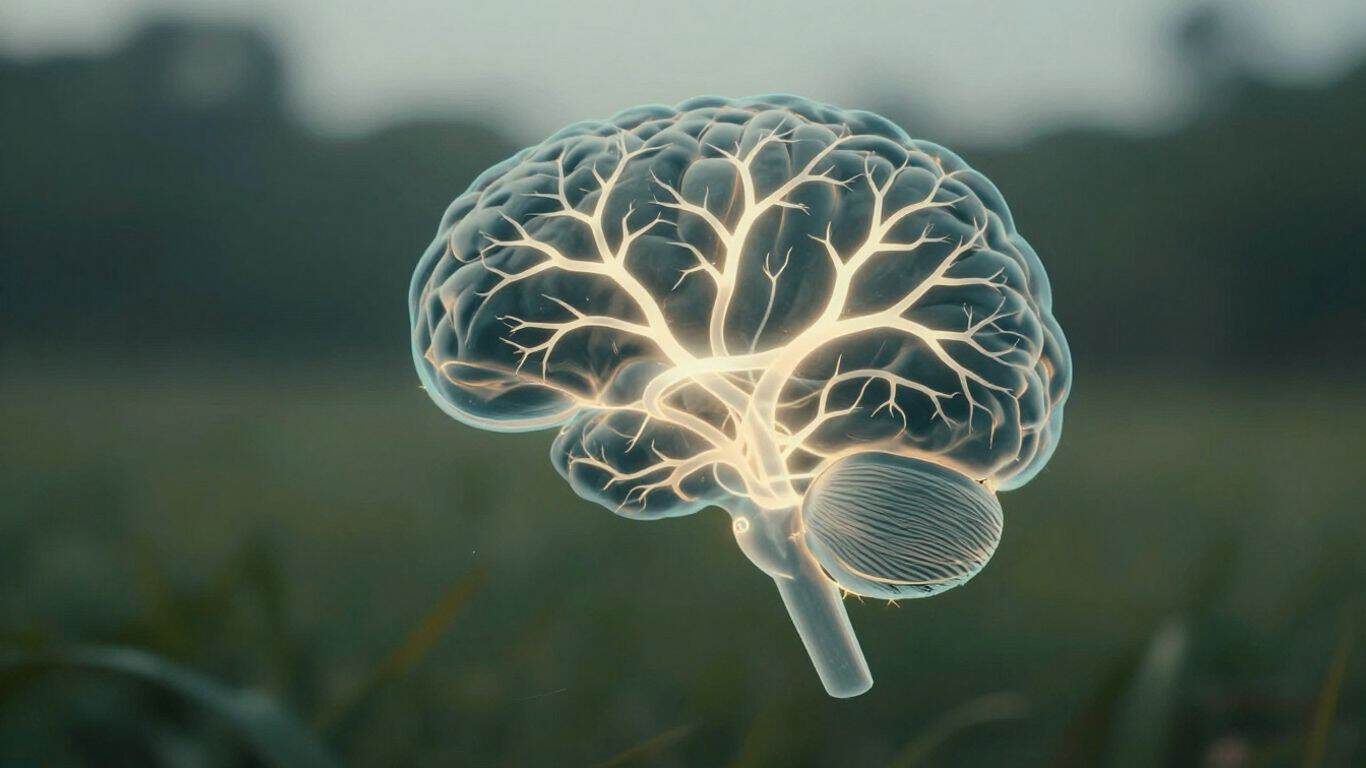
The Default Mode Network: Why Your Brain’s ‘Idle’ State Matters for Meditation
Key Takeaways The default mode network plays an essential role in how we perceive ourselves and navigate our internal mental landscapes when we are not focused on external tasks. Understanding its function provides a pathway for utilizing specific mental training to...

The Attentional Blink Explained: The Neuroscience of Why We Miss Things Right in Front of Us
Here are the main points to remember about the attentional blink and what it means for us: Key Takeaways The attentional blink is when you miss seeing a second target if it appears too soon after the first one. This happens because your brain is busy processing the...

Neuroplasticity and Meditation: How Consistent Practice Physically Rewires the Brain
Key Takeaways Meditation triggers structural changes in the brain by reinforcing beneficial neural pathways. Consistent practice leads to measurable increases in cortical thickness and gray matter density. The brain's inherent adaptability allows for deliberate...

Cognitive Load and Mindfulness: How Reducing Mental Clutter Improves Performance
Here are the main points to remember about reducing mental clutter and improving performance using mindfulness and cognitive load theory. Key Takeaways Cognitive load is the mental effort used to process information; too much leads to overload and poor performance....
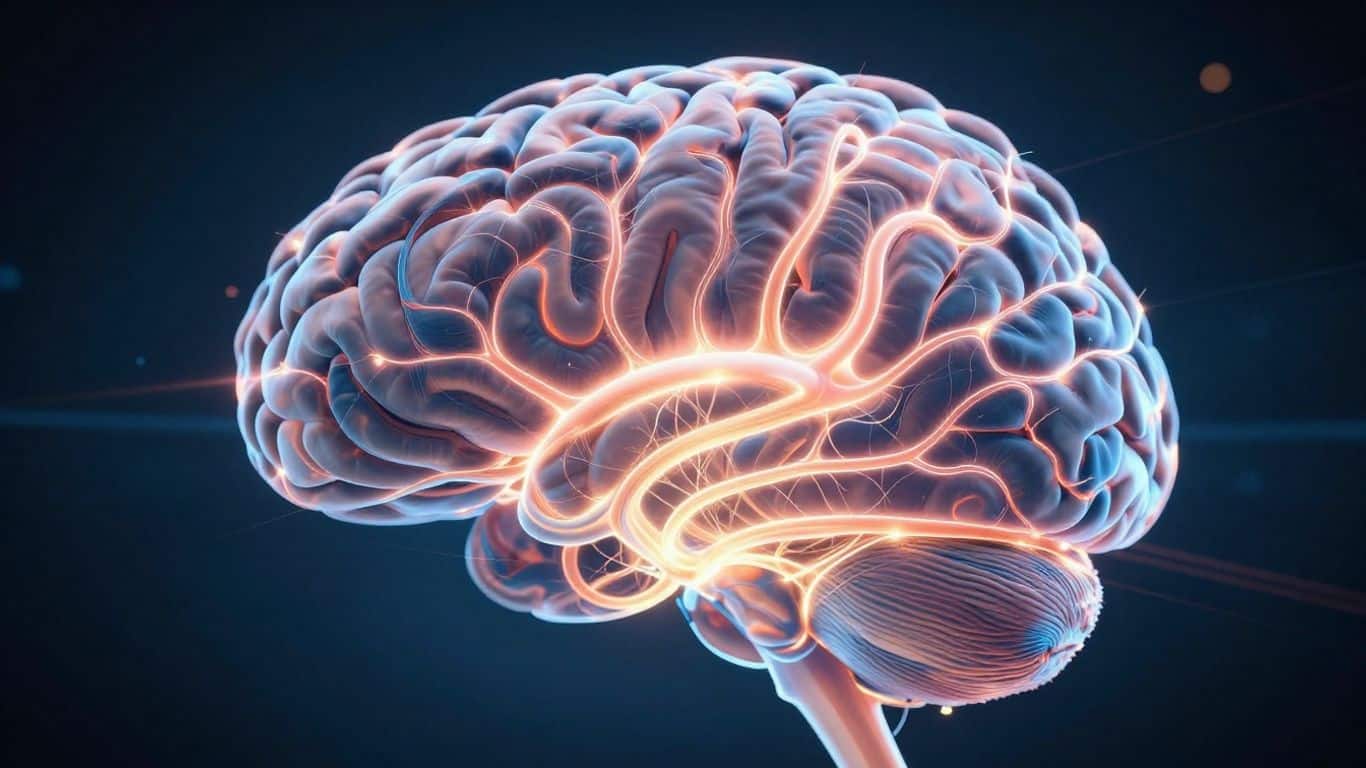
The Neuroscience of Flow State: What Happens in the Brain During Peak Focus
Getting into a state of flow means your brain is working in a super efficient way. Here are the main things to remember about flow state neuroscience: Key Takeaways Flow state is when you're totally absorbed in a task, feeling focused and like time flies by. Your...